Scotland and Morocco meet in New Jersey with World Cup knockout round in sight
Group C's opening round delivered a draw that flattered Brazil and exposed the gap between African football's elite and Europe's middling sides. Friday's Scotland–Morocco fixture will settle which of them gets to chase the knockout round.
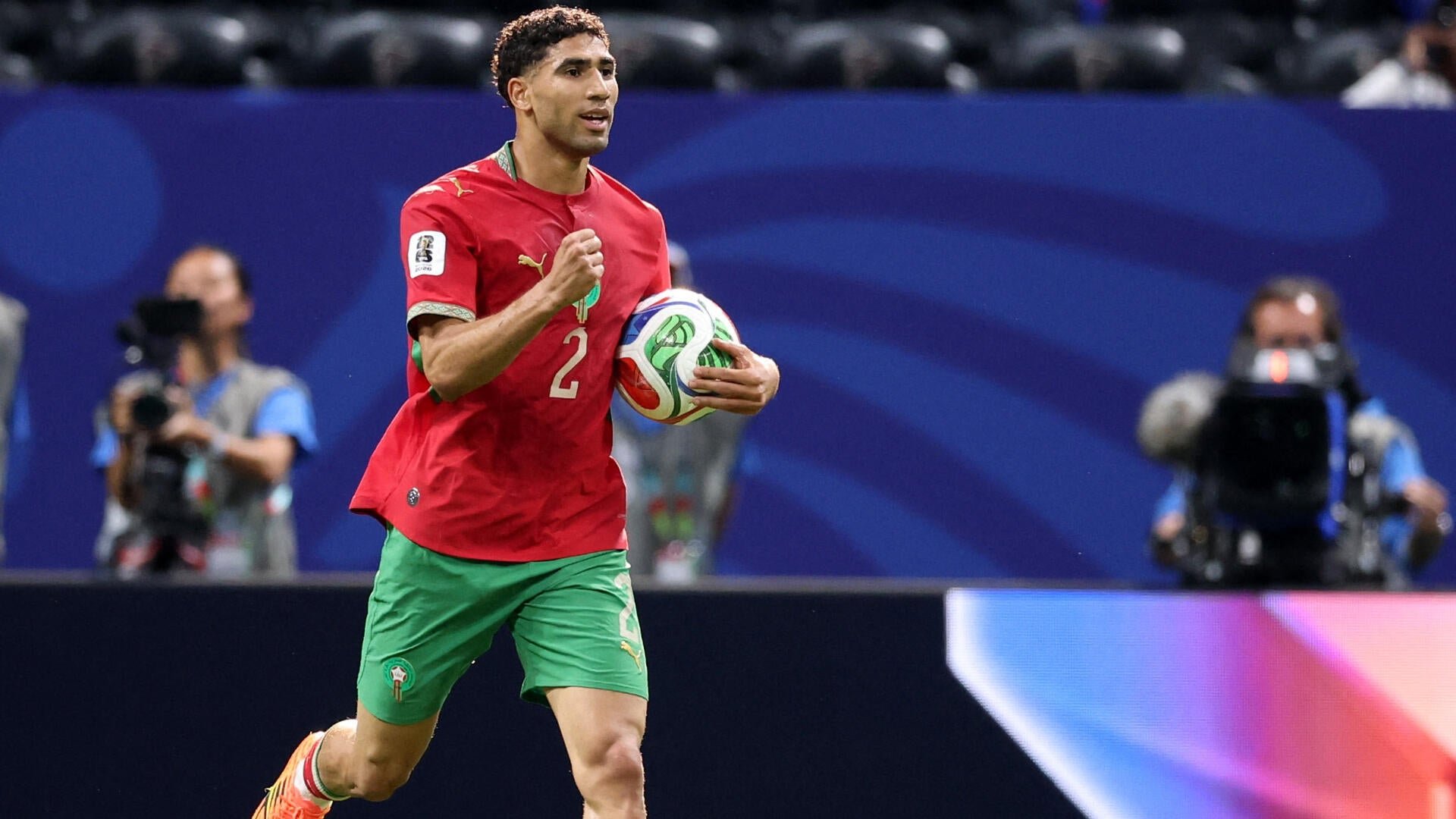
At 23:09 UTC on 19 June 2026, France 24's English service cut into a Group C match-up that, on paper, has no business being this consequential. Scotland and Morocco meet in New Jersey knowing a draw could be enough to send one of them into the World Cup knockout rounds, with Brazil — of all opponents — looming in the final matchday. The Scots, in their first men's World Cup appearance since 1998, are still digesting the scale of the stage. The Atlas Lions, fresh off a draw against Brazil, are not.
This is the fixture Group C's opening round was always going to produce. Morocco's draw with the five-time champions showed a side that has spent four years internalising the lessons of Qatar 2022 — they can absorb pressure from the very best, then pick their moments. Scotland's journey back to the World Cup is a different story: a generation that grew up watching Tartan Army misadventures in neutral venues has now landed in the tournament proper, and the lesson of round one is that this group will not wait for them to find their feet.
What the opening round actually said
Brazil dropping points was not the shock. The manner of it was. France 24's English wire reported at 22:09 UTC that a draw could be enough for the Scots against Morocco, a sentence that only makes sense if the rest of Group C has behaved as expected. It has. Morocco's draw against Brazil at the same time on Friday establishes a baseline: this Atlas Lions side is no longer the plucky qualifier of 1986 or the admirable round-of-16 entrant of Qatar. They are a side that can hold Brazil and look comfortable doing it, and they have already absorbed the pressure of a stadium built for someone else's narrative. Scotland, by contrast, arrived in the United States having earned their place through a UEFA playoff path, and they have not yet been tested at this altitude.
The tactical shape of the group is therefore narrow. Morocco need a result to confirm their lead at the top of the standings. Scotland need a result to keep Brazil within touching distance and to avoid the kind of opening-round exit that has historically defined their tournament history. A draw serves Morocco more than it serves Scotland, because the Atlas Lions still have a winnable fixture in prospect and Scotland do not.
The Morocco read
France 24's French service framed the same fixture at 21:05 UTC as confirmation rather than opportunity: after their draw against Brazil, Morocco must confirm against Scotland to take the lead in Group C. The framing matters. The Moroccan federation, the coaching staff, and the francophone African press have spent four years building a project around the spine that took Qatar by storm, and the Brazil draw was framed from Casablanca to Tunis as proof that the project has matured. The Atlas Lions are not underdogs in this group. They are the team with continental pedigree, with Champions League-level minutes across the back four, and with a player pool that includes Hakim Ziyech, Achraf Hakimi and Youssef En-Nesyri. Scotland's best players — John McGinn, Andy Robertson, Scott McTominay — are Premier League regulars, but the depth is thinner, and the squad arrived with the lowest expected goals-per-game of any side in Group C.
The Moroccan read is also a political one. A World Cup hosted across the United States, Canada and Mexico is, for African football, a chance to demonstrate that the post-Qatar infrastructure — the academies, the diaspora recruitment, the European-club pipelines — translates. A win over Scotland would set up a round-of-16 match-up that the Atlas Lions' sporting project has been building toward since 2022.
The Scotland read
The Scottish read is simpler and less comfortable. This is a squad that has spent two decades failing to qualify and has now arrived at a tournament where the second game is functionally a knockout. Steve Clarke's side are not blessed with the individual talent of the Morocco squad, but they have the kind of tournament discipline — set-piece threat, defensive shape, a goalkeeper in Angus Gunn capable of the spectacular — that has historically troubled technically superior African sides. The question is whether Clarke can set up to win the game, or whether the structural incentives push him toward containment.
The other constraint is psychological. Scotland have not won a match at a men's World Cup since 1998, and the squad's average age of 27.4 means the bulk of the players were teenagers or younger when that streak began. The Tartan Army's travelling support, meanwhile, has been priced out of the host cities in numbers that several Scottish outlets have flagged. A draw would keep the group alive. A win would alter the texture of the entire tournament for a footballing nation that has long been told it does not belong at this level.
Stakes and what remains uncertain
The structural read is that Group C is, in effect, a two-horse race between Morocco and Scotland for the runner-up spot behind Brazil, with the winner likely to face the runner-up of a group containing one of the pre-tournament European favourites. A Scotland win would re-order the bracket and vindicate Clarke's six-year project. A Morocco win would confirm what the Qatar cycle suggested: that the Atlas Lions are now a top-twelve football nation, regardless of what the seeding pots say. A draw leaves the group alive into the final matchday and exposes both sides to a Brazil team that, having dropped points in the opener, will not drop them twice.
What the wire coverage does not specify is the condition of either squad heading into the fixture — injury updates, suspensions, expected line-ups — and the sources disagree on the scale of the travelling Scottish support, with the francophone wire emphasising the Moroccan confirmation narrative and the anglophone wire emphasising the Scottish opportunity. The match itself, at MetLife Stadium in East Rutherford, is the data point that resolves both. Kick-off, per the France 24 wires, falls in the Friday late window in the United States, with the result landing in the small hours of 20 June UTC.
This piece treats both Group C contenders on their merits. The Morocco project since Qatar 2022 deserves the same analytical respect the European press now routinely extends to the South American traditionalists, and Scotland's long road back to this stage is not a curiosity — it is the story of a small nation refusing to accept that the World Cup is someone else's inheritance.
Wire provenance
This editorial synthesis draws on the following public wire/social posts:
- https://t.me/france24_en
- https://t.me/france24_fr