A lethal strike, a Telegram post, and the case the Pentagon is not required to make
A U.S. military strike on a suspected drug vessel in the Eastern Pacific is being justified in real time on Telegram. The legal case for it is conspicuously absent.
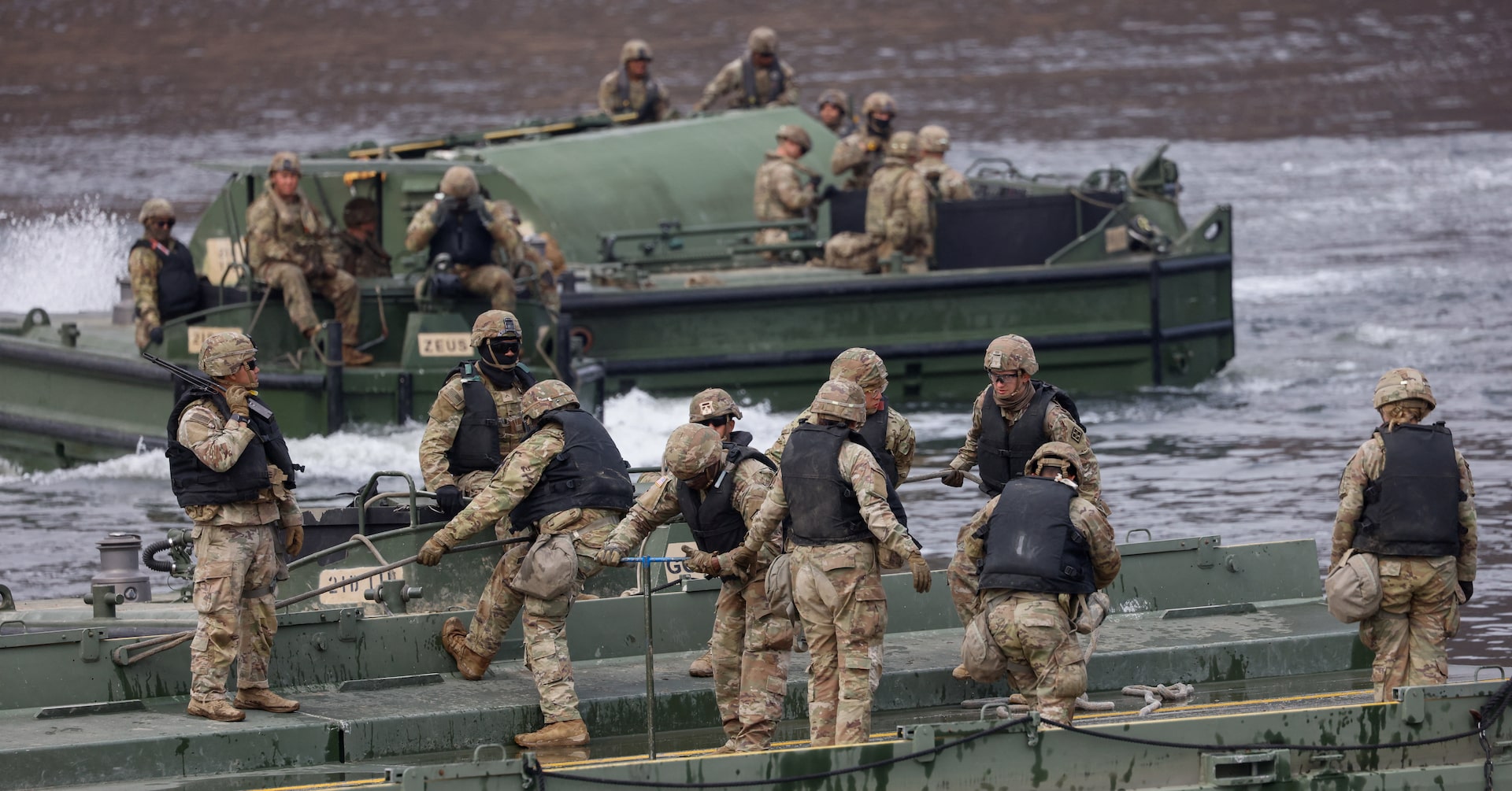
At 00:37 UTC on 19 June 2026, a Telegram channel that aggregates open-source military reporting published a statement attributed to U.S. Southern Command. It described a lethal strike, ordered on 18 June by SOUTHCOM commander General Francis L. Donovan, against a vessel in the Eastern Pacific that SOUTHCOM says was being used for narcotics trafficking. The vessel's crew was not identified. The cargo, if any, was not catalogued. The legal authority cited for sinking it was not specified.
The strike is now a fact on the public record. The case the Pentagon is making for it is, so far, a single Telegram post — and the gap between those two things is the story.
What the wires actually said
Three independent Telegram channels that day carried substantially the same wording: Joint Task Force Southern Spear, operating under SOUTHCOM, conducted a "lethal kinetic strike" on 18 June 2026 against a vessel in the Eastern Pacific alleged to be engaged in narcotics trafficking. The framing is uniform — operation name, commander, date, alleged activity — and the sourcing is uniform too, running back to a SOUTHCOM release.
What is missing is at least as instructive as what is present. The posts do not name a flag state for the vessel. They do not specify the quantity or type of narcotics allegedly aboard. They do not describe how the target was identified, surveilled, or positively confirmed as a trafficking platform rather than a transshipment point, a fishing boat, or a private yacht. The number of people killed is not given. The legal basis for treating suspected narcotics movement as a target for military force — rather than for interdiction, boarding, or prosecution — is not articulated in any of the three posts that surfaced overnight.
A reader relying on these wires alone could not tell whether this is the third strike in a disclosed campaign or the first. That opacity is itself a policy choice.
The legal case the public is not being shown
U.S. lethal strikes against suspected drug-running vessels have been a recurring feature of the Eastern Pacific counter-narcotics posture for months, and the legal scaffolding around them has been a recurring source of friction. The administration's framing has leaned on a designation of certain cartels as foreign terrorist organisations, paired with an assertion of self-defence against what officials describe as a flood of lethal synthetic opioids reaching U.S. shores. The counter-position — articulated most pointedly by Democrats on the Senate and House armed services committees, by a range of international-law scholars, and by several Latin American governments — is that suspected smuggling is a law-enforcement matter, that sinking a boat is not analogous to interdicting one, and that the constitutional and statutory authorities cited for the campaign have not been publicly reconciled with the traditional posse comitatus boundary between military force and civilian policing.
None of that debate is visible in the Telegram thread. The wire-style posts describe what was done and by whom; they do not engage the question of why the response took the form it did. The 18 June strike inherits the unresolved status of the campaign it sits inside.
Why the Telegram register matters
The decision to publicise the strike first through a SOUTHCOM release picked up by OSINT channels — rather than through a conventional Pentagon press conference or a read-out from the Office of the Secretary of Defense — is a communications choice with consequences. Telegram aggregators are read by defence professionals, analysts, and journalists, but they are not a substitute for the U.S. military's own published legal and operational reporting. The effect is to fix the event in the public mind on the military's preferred framing — operation name, commander, "lethal kinetic," "narcotics trafficking" — before any independent account, including from the flag state, can compete for attention.
This is not novel; the post-9/11 strike record was built in similar stages of managed disclosure. It is notable that the practice has migrated, apparently by default, from counter-terror operations in the greater Middle East and the Horn of Africa to counter-narcotics operations in the Western Hemisphere. The legal architecture for the older campaign was debated, eventually, in public hearings. The legal architecture for the newer one has not yet been.
What remains contested
Three things are genuinely unresolved on the public record. First, the identity of the vessel and the fate of its crew: families, flag-state authorities, and humanitarian organisations have no confirmed names, no repatriation channels, and no independent forensic account to work with. Second, the threshold question of whether a smuggling suspect, even a credible one, becomes a legitimate target for military destruction rather than interdiction, which is a question of U.S. domestic law as much as of international humanitarian law. Third, the cumulative effect of the campaign: if the 18 June strike is one of a series, the public has not been given a tally, a legal opinion, or an after-action framework that would let it weigh the operation on anything other than the military's own terms.
Until those gaps are closed, the strike of 18 June 2026 is a fact with a missing case file.
Desk note: Monexus has run the three Telegram posts against the same SOUTHCOM wording and found the framing uniform; we have not been able to locate a flag-state statement, an independent casualty count, or a published legal opinion in the wire material available to us. The piece is built from the public statement only and is deliberately conservative on claims the source thread does not support.
Wire provenance
This editorial synthesis draws on the following public wire/social posts:
- https://t.me/osintlive
- https://t.me/wfwitness
- https://t.me/osintlive