Netherlands thump Sweden 5-1 to put one foot in the World Cup knockout rounds
A first-half avalanche in Eindhoven saw the Netherlands dismantle Sweden 5-1, with Cody Gakpo and Brian Brobbey each scoring twice and Ronald Koeman declaring his side "dangerous" at the World Cup.
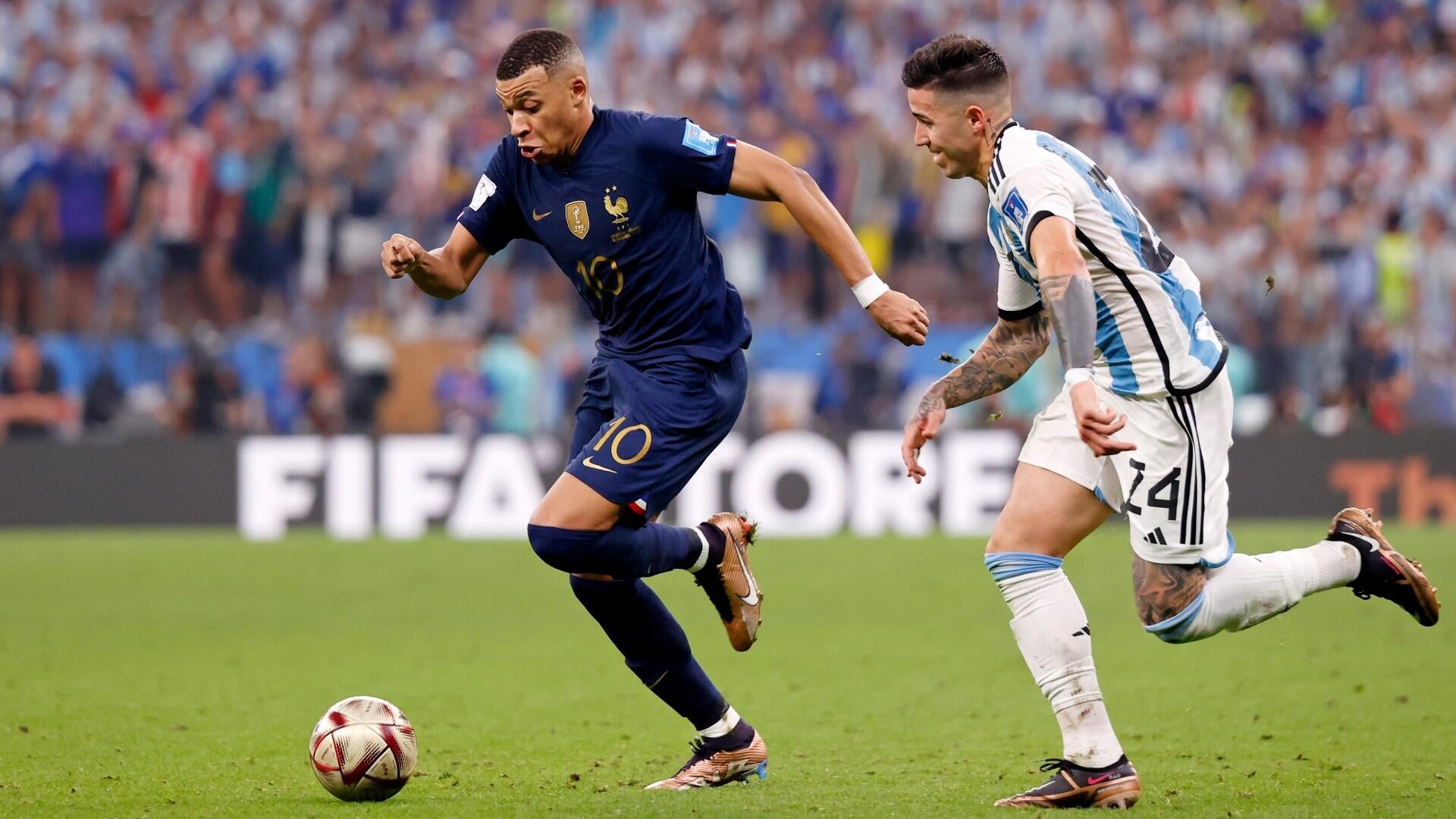
The Netherlands delivered the most emphatic statement of their World Cup campaign so far on Saturday 20 June 2026, thrashing Sweden 5-1 in a Group-stage fixture that moved Ronald Koeman's side to the brink of qualification and registered the fastest goal of the tournament inside five minutes. Brian Brobbey opened the scoring almost from the whistle, Cody Gakpo added two, and the goals kept coming against a Swedish side that never settled. By the time the final whistle sounded, the Dutch had effectively turned the group on its head and put a goal difference swing through the table.
The result moves the Netherlands a step closer to the round of 32 and gives Koeman the kind of statement performance he demanded after a stuttering opening fixture. It also writes a small piece of tournament history: Gakpo's second strike, which made it 4-0 in the first half, was the 100th goal of the 2026 World Cup, a milestone the competition passed in record time given the expansion of the format.
Brobbey sets the tone in five minutes
The evening began in Eindhoven with the kind of start that settles a contest before the crowd has settled into their seats. Brobbey, leading the Dutch line, met an early chance and finished inside the opening five minutes to put the Netherlands in front and force Sweden onto the back foot. It was the sort of "flash of brilliance" that changes the geometry of a knockout-format fixture: once a team with Sweden's pedigree concedes early, they are required to chase the match, and chasing the match against a Dutch midfield that prefers to play through the lines is a thankless task.
Koeman, speaking after the match, framed the win as a message to the rest of the field. "Dangerous," he said, when asked what opponents should now take from the performance. It is the kind of word a manager uses when he wants the dressing room to hear that the ceiling is higher than the conservative stuff they had produced in the previous outing.
Gakpo and Brobbey share the headlines
The two-goal hauls for Brobbey and Gakpo are worth lingering on, because they suggest something useful about how this Dutch side will attack in the knockout rounds. Brobbey offers the vertical threat — the early runs in behind the back line, the willingness to attack the near post, the hold-up that gives the midfield a reference point. Gakpo offers the lateral threat — the half-space drift, the late arrival into the box, the willingness to shoot with either foot. Pairing them is not a tactical novelty on its own, but pairing them inside a 5-1 win against a side of Sweden's stature is a louder data point than anything that came before it in the group.
Sweden, for their part, looked a side caught between two stools: too cautious to press high and commit bodies forward, but not compact enough to absorb the Dutch transitions. Their goal, when it came, was a consolation rather than a catalyst, and by the closing stages the contest had become a question of margin rather than outcome.
What the 100th-goal milestone tells us
Gakpo's second, the competition's 100th goal, landed in the first half of a fixture that was already functionally over. That is a small structural fact about the tournament. The expanded format, with more group matches than any previous World Cup, was always going to push the total-goals tally up earlier in the calendar, but the speed at which the century mark arrived tells you something about the early weeks of the competition: defences are taking time to settle, transitions are ending in the net more often than they used to, and the average game is producing chances at a rate that rewards depth in attack.
For Koeman, the implication is direct. The Netherlands are not the only side capable of running up a score, which means that goal difference — the first tie-breaker most readers will check when the group tables tighten — is back on the table as a real variable in qualification. A team that wins by one and a team that wins by four occupy very different positions in that calculation.
Stakes and what to watch next
The win takes the Netherlands to a position where a place in the round of 32 is, in the practical arithmetic of the group, almost mathematically secured. That is not the same thing as being mathematically through, and Koeman will be aware that the group still has a third match to play. Sweden, by contrast, leave Eindhoven needing results elsewhere and with questions to answer about how they intend to compete against higher-pressing opposition in the remaining fixtures.
What remains uncertain is whether this Dutch performance was a step up to a new ceiling or a Sweden-shaped outlier that flatter the data. The earlier group matches offered a more cautious Dutch side; this one offered something closer to the team Koeman has been talking about since qualification. The honest read is that both things can be true at once — that Sweden's defensive shape invited pressure the Netherlands were ready to apply, and that the forward line now has the kind of momentum that travelling squads tend to carry forward. The next fixture, against the side that finishes above or below them in the standings, will be the cleaner test.
Desk note: Monexus framed this as a statement performance rather than a result in isolation, since Koeman's own post-match language pointed in that direction and the goal-milestone context gave the scoreline a tournament-level significance beyond the three points.