Netherlands break World Cup scoring record as Brobbey and Gakpo dismantle Sweden 5-1
A 5-1 win over Sweden on 20 June 2026 notched a tournament goalscoring record and turned the Dutch into a Group-stage problem nobody wants in the bracket.
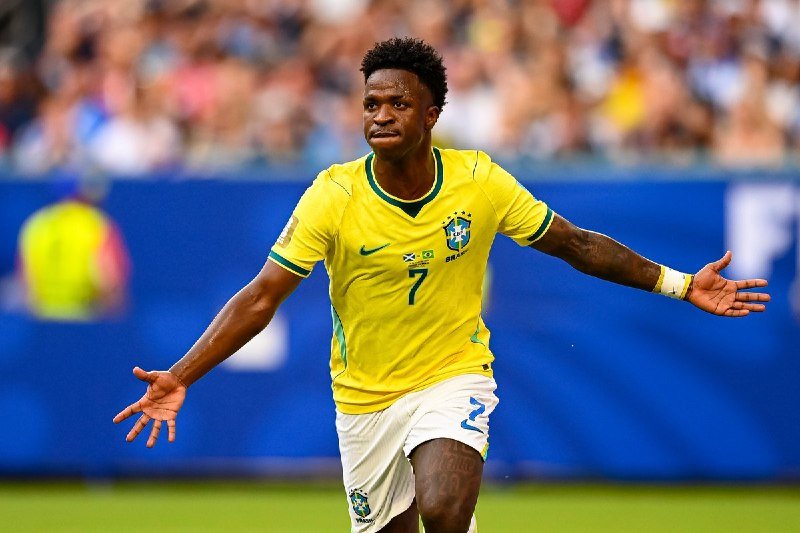
A statement win, and a record attached to it. The Netherlands ran out 5-1 winners over Sweden at the FIFA World Cup on 20 June 2026, with Brian Brobbey and Cody Gakpo each scoring twice. The performance put Ronald Koeman's side on the brink of the last 32, but the more durable talking point is what the scoreline did to the tournament's statistical record book. According to reporting from the match, Gakpo's second goal of the afternoon — a composed finish to make it 4-0 — was the 100th goal scored at this World Cup, a milestone reached earlier in the cycle than at any comparable point in recent memory.
This is the version of the Dutch that travels. The pre-tournament question around Koeman's squad was the same one that has hung over the national team for the better part of a decade: too much talent, not enough shape. Against Sweden, the shape and the talent were aligned, and Sweden, who arrived as one of the more organised sides in the section, were unable to absorb the pressure once Brobbey's opener landed inside the opening five minutes.
A record set in real time
Tournament milestones of this kind tend to arrive anonymously — a scrappy finish from a full-back, a tap-in off a set piece, a goal whose scorer is forgotten by the knockout stage. Gakpo's 100th was neither scrappy nor anonymous. The Dutch were already 3-0 up when the chance came, with Brobbey having opened the scoring inside five minutes and Gakpo having added a second before the half-hour mark. The fourth, a side-footed finish that the player met with a level of calm bordering on nonchalance, registered the round number and, more importantly for Koeman, underlined that the side is generating chances through structured patterns rather than transition fortune. Sweden's late consolation did little to disturb the shape of the afternoon.
A message, and a warning, to the bracket
Koeman was direct in his post-match framing, telling the BBC the performance would "send a message" to rivals that the Netherlands can be "dangerous" at the tournament. Managerial messaging of this kind is routine, but the underlying point holds: the Dutch have now posted a result of the kind that reshapes how opponents approach them. Group-stage mismatches are not unusual at World Cups, but a five-goal output against a side that travelled expecting to compete is the kind of result that, in the bracket mathematics, can move a team from "dark horse" to "must-avoid" over the course of a single afternoon.
The structural problem for the rest of the field
What Koeman has assembled, on the evidence of this fixture, is a side capable of producing goals in a way that does not depend on a single source. Brobbey's two finishes, both taken in central areas, suggest a striker operating with confidence; Gakpo's two, both of which required the more difficult kind of run and finish, point to a forward whose role is more nuanced than the conventional wide-man template. The supporting cast — the providers, the runners off the ball, the midfield security — has not, in a single match, been fully tested. The bigger question is whether the side can produce this kind of output against a deeper, more conservative defensive block. Sweden pressed high and were punished for it; a side that sits in, as the higher-ranked knockout opponents almost certainly will, is a different proposition.
Stakes, and what remains unresolved
The mathematical stakes of the fixture were settled in the sense that the win leaves the Netherlands requiring only a routine conclusion to the group to confirm a last-32 place. The more interesting stakes sit further out: where the Dutch finish in the seeding order, who they draw in the next round, and whether the apparent depth of attacking options is durable across three group matches in a week. The record goal is a useful data point, but tournament history is written by the team that peaks twice — once in the group, once in the knockouts — and it is the second of those that Koeman will be quietly focused on now. The sources covering this fixture do not provide a comparable benchmark against previous World Cups to confirm whether the 100th-goal milestone is genuinely the fastest of the modern era, and the broader defensive test the Dutch have yet to face will tell us more about the ceiling of this squad than any single scoreline can.
How Monexus framed this vs the wire: the wires led on the result, the scorers, and Koeman's message. Monexus led on the scoring record and on what the performance implies about the bracket — a more useful frame for readers planning around the tournament's next fortnight rather than the next ninety minutes.