Scotland chase history as Morocco stand in the way of a knockout place
A win at the tournament would send Scotland into the last 32 for the first time since 1998. Morocco, already battle-hardened, have other ideas.
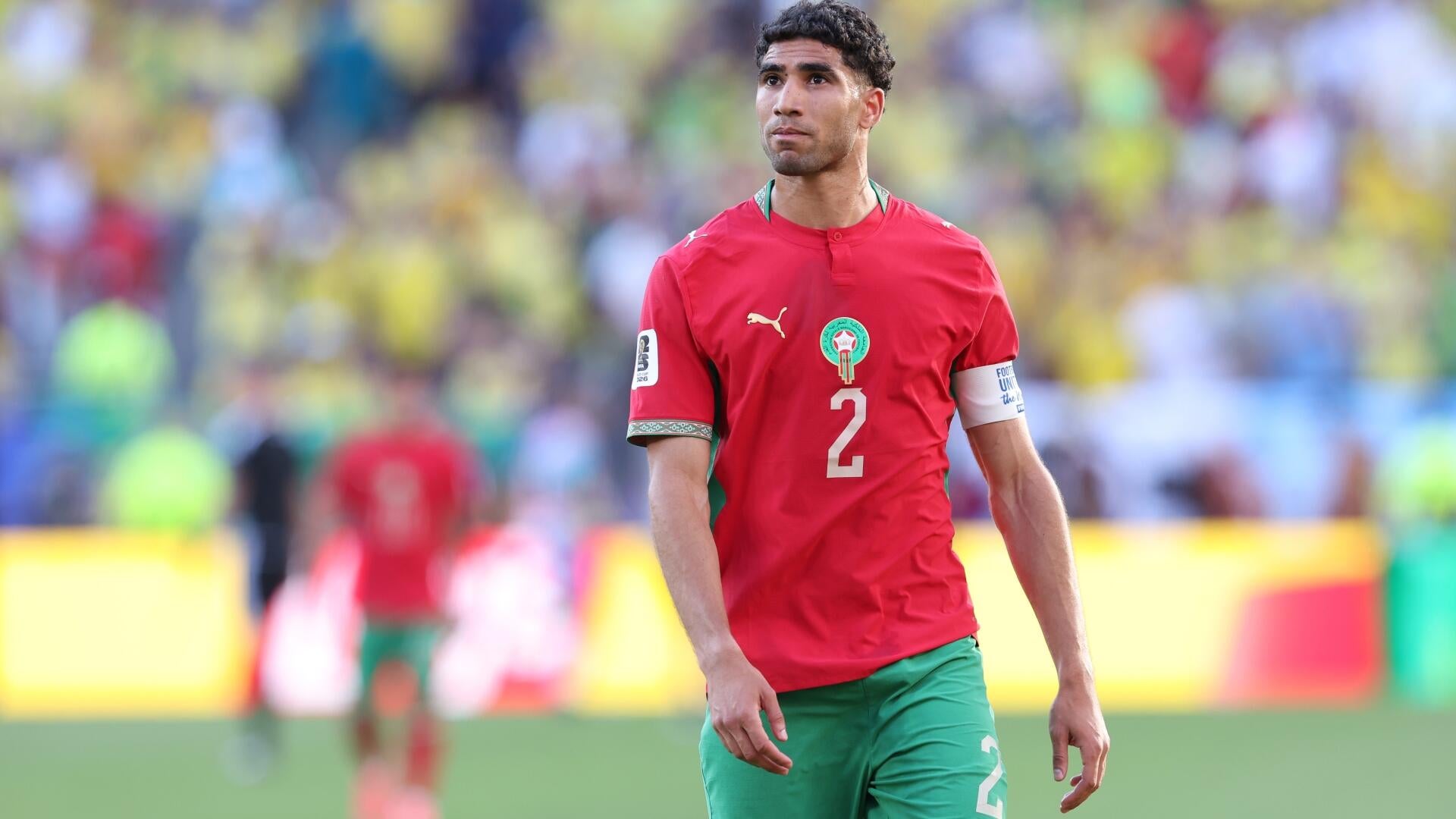
The arithmetic is brutally simple and stubbornly familiar. Scotland sit top of Group F at the 2026 FIFA World Cup, a point clear of the chasing pack, and a victory over Morocco on 20 June 2026 would book a place in the knockout rounds for the first time since France 98. As CBS Sports set out in its group-stage preview, the Europeans can punch their ticket to the last 32 if they pull off the upset against an Atlas Lions side widely tipped before kick-off to finish above them.
The question is no longer whether Scotland belong at this tournament. They do, and a raucous Tartan Army has made sure the venues know it. The question is whether Steve Clarke's side can convert volume and history into the single result that defines a generation. Morocco, drawn from the same qualifying pot that has carried African football to two consecutive World Cup semi-finals, arrive as the side most likely to deny them.
A group that is still alive
Group F is, by the narrow measure of points and goal difference, Scotland's to lose. CBS Sports' match preview, published at 18:21 UTC on 19 June 2026, frames the side as group leaders with qualification in their own hands. The same preview lays out the permutations: a win books a knockout place, a draw leaves Scotland hoping other results fall kindly, and a defeat reopens the group to Brazil and any side that can out-score them on the final matchday.
That volatility is the point. FIFA expanded the 2026 tournament to 48 teams across three host nations — the United States, Canada and Mexico — and the larger bracket has produced tighter groups rather than looser ones, with more sides arriving in North America capable of taking points off traditional European powers. Scotland's position at the summit is genuine. It is also precarious.
The Atlas Lions carry a different kind of expectation
Morocco do not arrive as plucky underdogs. They arrive as the team that broke the ceiling in Qatar 2022, the first African and first Arab side to reach a World Cup semi-final, and the squad that has spent the four years since converting that run into a settled spine. ESPN's Tom Hamilton, writing in his 19 June 2026 preview, framed the Morocco test as the match that will determine whether Scotland's tournament ends as a party or as a passage.
Hamilton's piece leans on the experience in Walid Regragui's squad. Achraf Hakimi, the Paris Saint-Germain full-back, remains the attacking reference point on the right flank. Sofyan Amrabat, fresh off a season that rebuilt his reputation in midfield, anchors the press. Youssef En-Nesyri leads the line with the kind of physical profile European centre-backs still struggle to contain. None of those names are speculation; all of them were active in Morocco's previous two World Cup cycles and form the continuity the Atlas Lions carry into this one.
Counter-read: the upset framing cuts both ways
CBS Sports' preview labels Morocco a potential upset victim, in the sense that a Scotland win would be the group-stage surprise. That framing flatters the formbook. FIFA's own world rankings, taken at face value, put Morocco within touching distance of the top ten, well clear of Scotland's position in the twenties. The betting markets that the same preview cites treat the match as a coin-flip, with Morocco marginal favourites rather than rank outsiders.
There is also a structural counter-argument. Scotland have thrived in qualifying by being the harder side to break down — Clarke's 3-5-2, built on the central axis of John McGinn, Billy Gilmour and Callum McGregor, has conceded sparingly and let the wing-backs generate the width. Against a Morocco side that presses high and isolates full-backs in transition, that shape will be tested in ways it has not been in a decade of competitive football. The longer the game stays level, the more it suits the side comfortable without the ball. The shorter it stays open, the more it suits a Morocco attack that can stretch a tiring back three.
Stakes: a tournament of firsts, or another near-miss
For Scotland, the stakes are not abstract. A nation that last reached the knockout rounds in 1998 has spent the intervening years watching neighbours England progress while its own campaigns have ended in the group stage, in the play-off heartbreaks of 2018 and 2022, and in the qualifiers that preceded them. The current squad is, by general consensus, the deepest the Scottish Football Association has fielded at a major tournament since the squad that travelled to France almost three decades ago. Clarke, the longest-serving manager in the role since Walter Smith, has rebuilt the pathway and the results that follow from it. A knockout place on 20 June 2026 would validate the project. A defeat would not undo it, but it would reset the clock on a question the country has been asking since the late Nineties.
For Morocco, the equation is closer to maintenance. The Atlas Lions have already established themselves as Africa's standard-bearer at this level. A group-stage exit in 2026 would not redefine them, but it would punctuate four years of assumed progress with an awkward coda. A win in this fixture would put them top of the group, restore the aura built in Qatar, and tee up a knockout draw they would face from a position of confidence rather than apology.
What remains genuinely uncertain
The two preview pieces do not align on every detail. CBS Sports' write-up reads Scotland as group leaders by a point and frames the match accordingly; ESPN's preview emphasises the weight of the Morocco test without confirming the precise group table on the morning of 20 June. Both pieces agree on the broad shape of the match — a deep Scottish block against a Moroccan press built around Hakimi's width — but neither commits to a score. FIFA's official group standings, published on the federation's own competition page, are the cleanest source for the points gap at kick-off; the available previews reference standings as of 19 June 2026 and stop short of naming the exact margin.
There is also the question neither preview can settle. The expanded 48-team format has produced a World Cup in which group-stage ties carry more games and more goals but, on paper, fewer dead rubbers. Whether that produces more upsets, or simply more settled groups with deeper squads, is the variable the rest of this tournament will answer. Scotland-Morocco, on 20 June 2026, is one of the first fixtures with the authority to give a steer.
This article drew on match previews published by CBS Sports and ESPN on 19 June 2026, both of which framed the fixture as a group-defining match for Scotland and a credibility test for Morocco. Monexus's framing treats the match as a genuine contest between two qualified sides rather than as a Scotland coronation, in line with the betting markets and FIFA rankings rather than the underdog narrative the European press has tended to prefer.