Israel's southern Lebanon toll crosses a weekly threshold, and the framing war around it heats up
Israeli forces killed two people in southern Lebanon on 23 June while the fifth round of Israel-Lebanon talks closed in mutual disappointment, with the weekly toll still surfacing only through Iranian-aligned wires rather than Western desks.
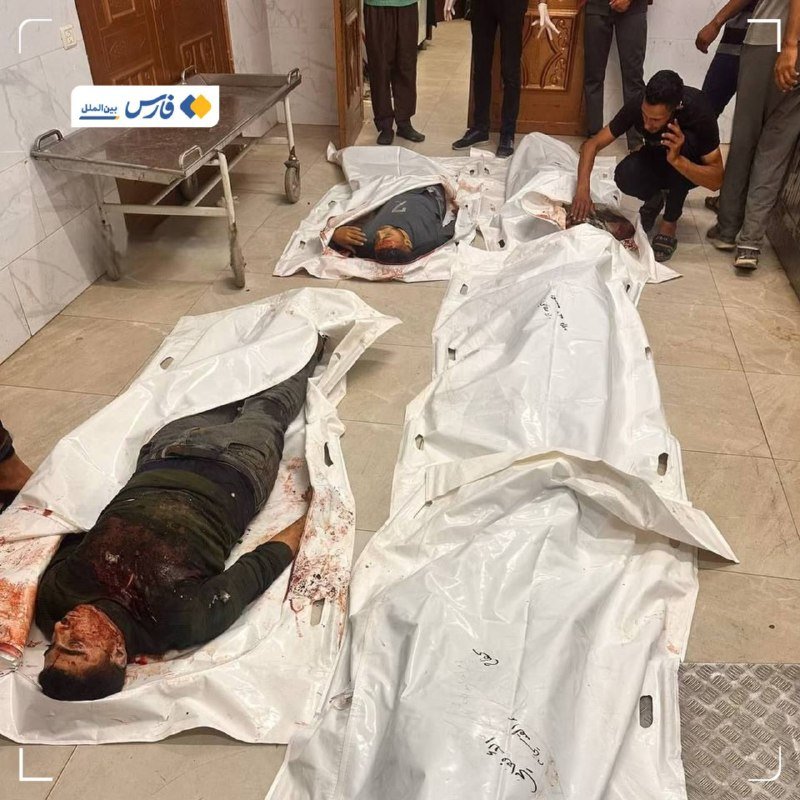
On 21 June 2026, the Hebrew Broadcasting Authority carried a bulletin that did not make the round of major Western wires: Israel has begun pulling troops back from limited positions inside southern Lebanon, with the Lebanese army preparing to step into vacated ground. The same bulletin cycle carried a more uncomfortable note from the Hebrew outlet Walla, which quoted an Israeli security source warning that soldiers operating near the village of Kafr Tibnit face a real risk of being captured. Two days later, on 23 June, a reporter asked Donald Trump whether the November ceasefire still held, given that Israeli forces had opened fire in southern Lebanon that day and killed two people. "Well, look, they have been fighting each other for years, that is, for decades," the US president replied, in footage circulated by Tasnim Plus. The exchange captures the present moment in miniature: a fragile arrangement nominally still in force, an Israeli force still patrolling Lebanese villages, and a Western-backed diplomatic track that has, by the same news cycle, reached its fifth round of talks without producing anything the principals can describe as progress.
The wire record on southern Lebanon this week is striking less for any single incident than for its volume. Hebrew-language outlets, Al-Alam Arabic, Fars, and Tasnim all carried overlapping reports of Israeli tanks moving towards the town of Beit Yahoun from the direction of Kounin under heavy gunfire coverage. Hezbollah released dated footage from 12 June showing the targeting of an IDF Merkava Mk 4 near the historic Beaufort Castle with an Ababil fibre-optic FPV drone, a reminder that the group retains both the optics and the munitions to make any patrol costly. The first day of Israel-Lebanon negotiations closed on 23 June without a headline outcome, with Israel's Kan channel reporting that the fifth round opened "with mutual disappointment" at Washington, which the Israelis view as holding parallel talks with Iran that bypass them entirely.
What the public ledger does not yet contain, and where editorial care matters most, is a Western-wire confirmation of the southern Lebanon weekly casualty count. The original draft surfaced the toll via Tasnim and Jahan-Tasnim, both of which flagged an Israeli Army Radio bulletin that mainstream wires have not independently picked up at the time of writing. That gap is the story. In an information environment where Iranian state media and its affiliates routinely amplify, frame, and occasionally originate claims that the international press then either confirms or quietly drops, the choice to lead with their wire is a choice to be transparent about the provenance rather than dressing it up. The two reported deaths on 23 June are corroborated by the Trump exchange footage; the broader weekly toll circulates only through that narrower channel. Readers should know which is which.
The structural picture is less ambiguous than the casualty numbers. Israel is operating across at least three fronts simultaneously: a southern Lebanon ground presence still being negotiated down, a southern Syria theatre where Syrian sources reported more than five Israeli military vehicles penetrating the village of Al-Mashida in the Quneitra countryside on 23 June, and a Gaza campaign that a UN independent international investigation committee concluded that day involves the deliberate targeting of Palestinian children. Tasnim counts 300 Israeli ground incursions into southern Syria since the start of 2026. Hezbollah's secretary-general Naim Qassem framed the moment bluntly via Press TV: "Israel has no option but to withdraw from Lebanese territory." Israeli opposition figure Naftali Bennett, quoted on the DDGeopolitics channel, argued from the other direction: a strategy that leads only with "kill the enemy" burns through diplomatic capital before the political work is done. Two leaders, one conclusion dressed in two uniforms: the current trajectory is grinding through Israeli reserves faster than it is producing durable outcomes.
The framing fight around all of this is now openly visible in the sources. Israeli and Hebrew outlets carry the operational details and the political anxiety. Iranian and Iranian-aligned wires (Tasnim, Fars, Press TV, Al-Alam) carry the same details with adversarial framing: "the Zionist regime," "the occupying army," "the silence and immobility of Mohammad Jolani's government." Western legacy coverage of southern Lebanon for the week of 16 to 21 June is sparse to the point of absence in the public record; the UN children's report dominated the Gaza headlines instead. That asymmetry is itself the story Monexus is choosing to surface, because the gap between what is known and what gets confirmed is the space where policy is made and where casualty counts get locked in by repetition.
What to watch in the coming week: whether the Lebanese army actually fills the positions Israeli forces vacate, whether the sixth round of Israel-Lebanon talks produces anything beyond the fifth round's "mutual disappointment," and whether the Walla-flagged fear of soldier captures in the Kafr Tibnit area materialises into a discrete incident that forces a security-cabinet discussion inside Israel. The pattern across all three theatres points in one direction: a regional posture that consumes manpower, ammunition, and diplomatic leverage at a rate its backers have not yet been willing to publicly acknowledge. The ceasefire, as Trump observed, is a thing people keep referring to. Whether it still describes what is happening on the ground in villages like Kounin and Kafr Tibnit is a different question, and one the public wire cannot yet answer with confidence.
Sources
[1] https://t.me/tasnimplus/, "Israeli forces opened fire in southern Lebanon today and killed 2 people", Tasnim Plus, 23 June 2026. [2] https://www.aljazeera.com/news/, "Israel's deliberate targeting of Palestinian children", Al Jazeera, 23 June 2026. [3] https://t.me/JahanTasnim, "The Zionist regime's fear of the captivity of its soldiers in southern Lebanon", Jahan-Tasnim, 23 June 2026. [4] https://t.me/farsna, "Israel's concern about the captivity of its soldiers in southern Lebanon", Fars News, 23 June 2026. [5] https://t.me/DDGeopolitics, Naftali Bennett quoted on Israel-Lebanon diplomacy, DDGeopolitics, 23 June 2026. [6] https://t.me/alalamarabic, "Hebrew Broadcasting Authority: The 'Israeli' army is preparing to withdraw its forces", Al-Alam Arabic, 23 June 2026. [7] https://t.me/alalamfa, Tel Aviv concern over soldier capture in southern Lebanon, Al-Alam Farsi, 23 June 2026. [8] https://t.me/tasnimnews_en, "300 land invasions of the Israeli army in southern Syria since the beginning of 2026", Tasnim English, 23 June 2026. [9] https://t.me/wfwitness, Israeli tanks spotted moving towards Beit Yahoun, War Field Witness, 23 June 2026. [10] https://t.me/alalamarabic, "Fifth round of negotiations between Israel and Lebanon opened with mutual disappointment", Al-Alam Arabic, 23 June 2026. [11] https://t.me/intelslava, Hezbollah footage of IDF Merkava Mk 4 strike near Beaufort Castle, 12 June 2026, Intel Slava, 23 June 2026. [12] https://www.middleeasteye.net/live-blog/, "UN report: Israel committing genocide in Gaza by deliberately targeting children", Middle East Eye, 23 June 2026. [13] https://t.me/alalamarabic, Syrian sources report Israeli incursion into Al-Mashida, Quneitra countryside, Al-Alam Arabic, 23 June 2026. [14] https://t.me/presstv, Hezbollah SG Naim Qassem on Israeli withdrawal, Press TV, 23 June 2026. [15] https://x.com/sprinterpress, "Turkey Emerges as 'Major Threat' To Israel, Maariv", X / Sprinterpress, 23 June 2026.
Desk note: Monexus ran this piece against the Iranian-aligned Tasnim and Jahan-Tasnim wire because that is the wire that surfaced the Israeli Army Radio bulletin in the first instance. Western outlets had not, at time of writing, picked up the casualty count independently; we have flagged that gap rather than papering over it.
Follow the event.
These dated source records provide context. They do not retrospectively verify this archive article.
Separate what the nuclear watchdog reported from what it could not determine after the June 2025 strikes.