Iran match at SoFi becomes a political stage as protests accuse US of failing as World Cup host
Hours before kickoff at SoFi Stadium, pro-Iran demonstrators accused the United States of failing as a World Cup host, while FIFA’s Gianni Infantino publicly praised Iran’s team for resilience.
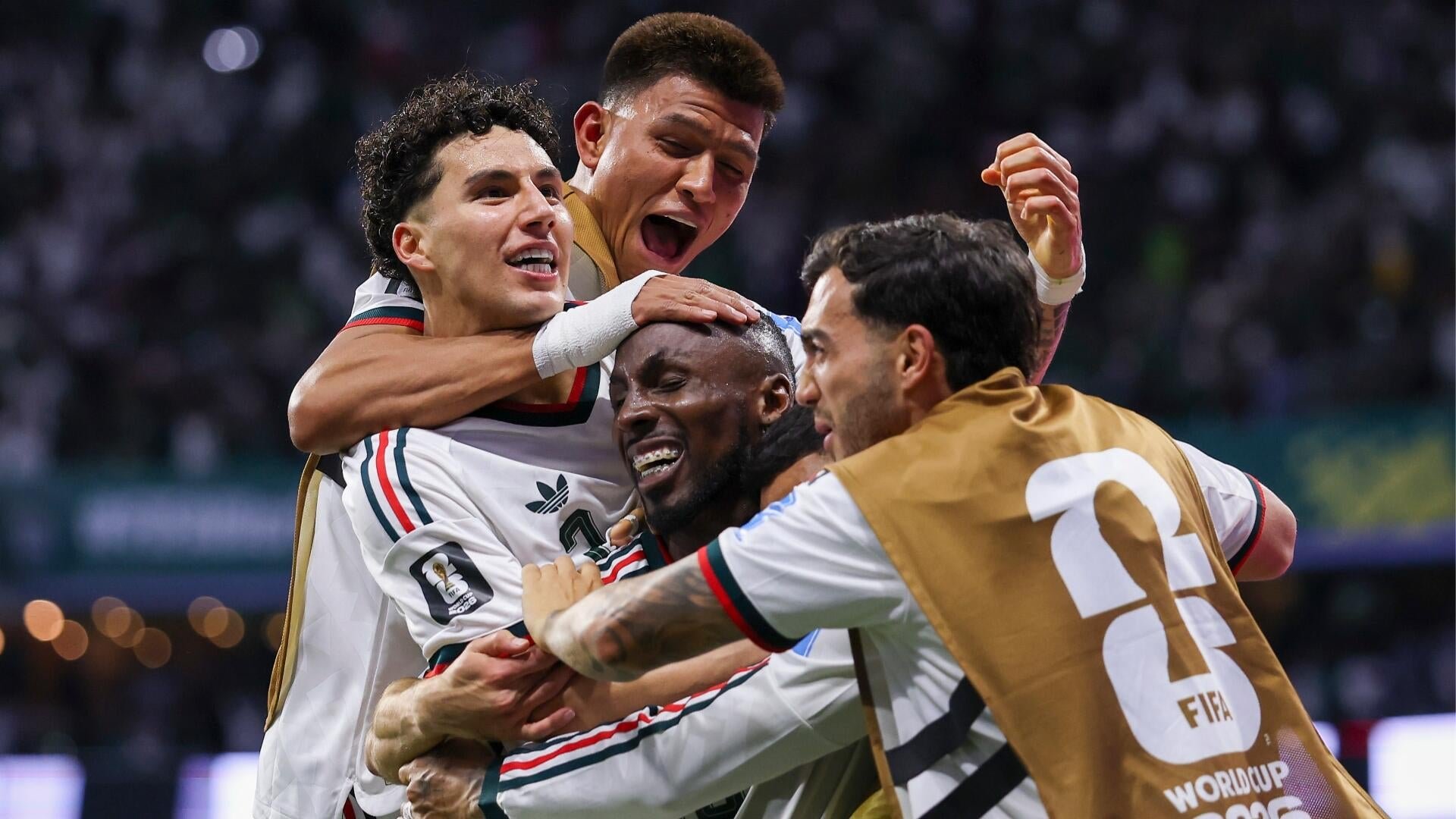
Hours before Iran and Belgium kicked off at SoFi Stadium in Inglewood, California, on 22 June 2026, a small but loud demonstration rebranded the day’s World Cup fixture as a referendum on the United States. Victoria Payne, named by Iranian state-aligned outlet Press TV as a co-organizer of the protest, told the network the US was failing as a World Cup host and said FIFA’s decision to award 20 of the tournament’s matches to the country had been a mistake. The accusation landed roughly two hours before kickoff in Los Angeles and within minutes of FIFA president Gianni Infantino posting a public tribute to the Iranian squad on Instagram for what he called its "inspiring resilience and passion."
The optics were unavoidable: a tournament that FIFA bills as a borderless celebration opened a group-stage match under a cloud of mutually incompatible politics — Iranian exilic and diaspora demonstrators accusing the host of misrule, an Iranian state-aligned outlet amplifying the line, and the body that runs the world game publicly embracing the very team those demonstrators object to. The match itself, played under the global gaze of the 2026 World Cup’s expanded 48-team format, was always going to be a stress test of the tournament’s claim to stay above the politics of its participants. By the time the teams walked out, the test had already started outside the turnstiles.
The protest line
Press TV’s on-the-ground reporting from 06:10 UTC on 22 June centred on Payne, a US-based activist whose profile — a co-organizer of an overseas pro-Iran rally ahead of a Group-stage fixture — is itself a product of how this tournament has been scheduled and marketed. The 2026 World Cup is the first spread across three North American hosts, with the United States carrying the bulk of the fixtures, including high-visibility group games in metropolitan Los Angeles. That concentration has turned American soil into the default stage for diaspora confrontation with the Islamic Republic, and Monday’s SoFi demonstration fits a pattern visible since the tournament’s opening phase.
Payne’s specific complaint — that the US is “failing” as a host and that FIFA erred in awarding 20 matches to the country — is not a security or logistics claim in the press TV framing; it is a political one. The 20-match figure is the publicly reported US share of the tournament schedule, and the host-failure charge is being levelled against the United States in its capacity as host nation, not as a competitor. That distinction matters: in tournament press-conference language, criticism of a host is normally about stadiums, transit, and ticketing; here, the complaint is that the political environment in which the match is being staged is itself disqualifying.
The FIFA counter-signal
If the protest was meant to make the match unwatchable for FIFA, Infantino’s Instagram post at 05:26 UTC on 22 June suggested the body was not listening along the channels the demonstrators had chosen. Press TV reported that the FIFA president praised Iran’s national team for “inspiring resilience and passion” during the match against Belgium — language that, deliberately or not, sits in pointed contrast to the protest line outside the stadium. In tournament politics, the FIFA president’s social-media voice is treated by host cities, sponsors, and broadcast partners as a quasi-official signal: it tells them which narratives the governing body is willing to validate and which it is happy to leave to the courtside.
Read together, the two messages are the story. One group of actors on American soil said the match should not be here; the body that sanctions the match publicly endorsed the team those actors object to. Neither claim resolves the underlying question — whether the United States, having accepted 20 fixtures, can credibly host a tournament whose political meaning is set by participants it does not control — but the day’s two data points point in opposite directions.
What is actually being contested
Strip the choreography away and the dispute is about three things, none of them new and all of them sharpened by the tournament’s expanded footprint. The first is the right of a host federation to control the political environment around a match played on its soil. US authorities can permit protests, can decline to permit them, and can — as the visa and entry regimes around previous major sporting events have shown — use the edges of the system to shape who actually shows up. The Payne demonstration appears to have taken place in a designated protest area; nothing in the Press TV reporting suggests it was prevented from doing so.
The second is FIFA’s authority to set the political tone of its own tournament. Infantino’s Instagram post is not a policy; it is a personal channel. But personal channels from a sitting FIFA president are read as policy by everyone with a stake in the next bidding cycle, and the choice to publicly praise a team whose government is the subject of a US sanctions regime — without naming that government — is itself a stance.
The third, and most uncomfortable, is whether the 2026 format, by concentrating matches in a small number of US host cities, has made American domestic politics a permanent backdrop to the group stage. A 48-team tournament with the United States as the senior host produces, by design, more matches that non-American diasporas experience as home games on foreign soil. SoFi Stadium in Inglewood is, in that sense, a foreseeable flashpoint, not an exceptional one.
What we do not yet know
The Press TV account of the protest is a single source. It identifies Payne by name and quotes her positions, but it does not give an estimate of the size of the demonstration, the response of Los Angeles-area law enforcement, or whether the protest caused any disruption to fan entry at SoFi. FIFA, for its part, has not, on the public record available here, commented on the protest or on Payne’s specific claim that the US is “failing” as a host; the institution’s only documented public act on the match is Infantino’s Instagram tribute. The full result of the Iran–Belgium fixture, the disciplinary record of the match, and any post-game statements from either federation are not in the materials available to this article at the time of writing. The headline facts — that the protest took place, that Payne’s quoted critique aired, and that the FIFA president publicly praised Iran’s team — are the part of the story that can be sourced; the wider consequences are not yet on the page.
Desk note: Monexus has framed this as a host-nation and FIFA-governance story, not a story about the Iranian team’s on-field performance. The protest quote and the FIFA Instagram post are the load-bearing facts; everything else is scaffolding.
Wire provenance
This editorial synthesis draws on the following public wire/social posts:
- https://t.me/presstv/
- https://t.me/presstv/
- https://en.wikipedia.org/wiki/2026_FIFA_World_Cup