Iran's point in Dallas: a goalless draw that tells you more about Belgium's World Cup ceiling than Iran's
Ten-man Belgium held by Iran in Arlington keeps both Group F bids alive and exposes a Belgian attack that, for the second match running, could not turn territory into a goal.
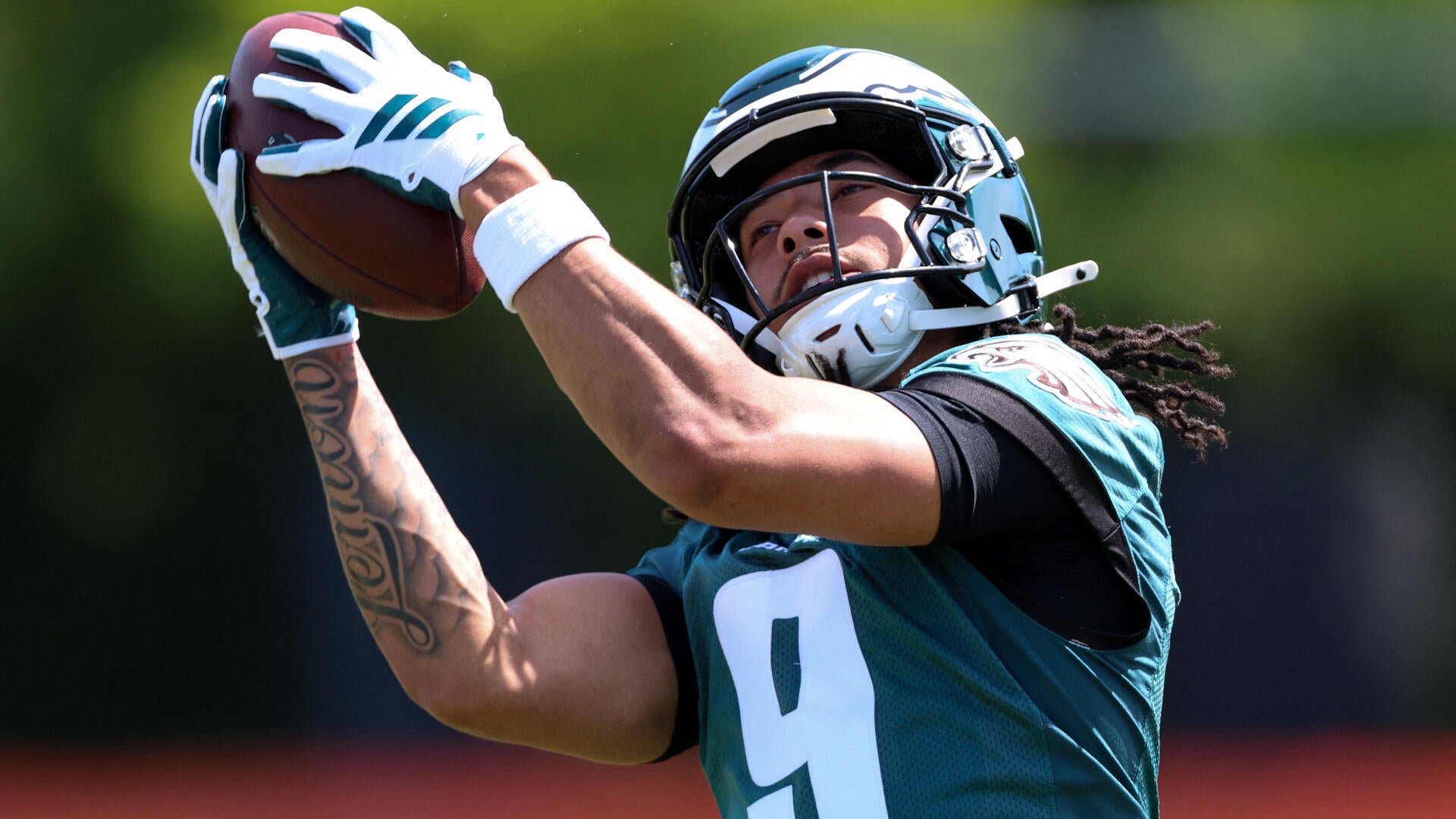
Belgium arrived at AT&T Stadium in Arlington on 21 June 2026 as the side with the deeper squad and the bigger stadium behind them. They left still searching for a goal that never came. Iran, organised and disciplined through a closing stretch that ended with both sides down to ten, walked off with the only thing that, for a team of their resources, could matter as much as three points: a clean sheet, a result, and a tournament lifeline.
The 0-0 draw on Sunday does not on its own flip Group F. It does something more interesting. It puts a hard second question mark against a Belgium attack that, for the second match running, failed to convert territorial control into a single goal, and it gives a threadbare Iran squad a route into the knockout stage that, twelve hours earlier, looked closed.
The match, in plain order
Belgium were already short. Kevin De Bruyne, the side's organising brain, sat out his second consecutive match, according to The Guardian's live report, with the hamstring complaint he picked up earlier in the group. Iran, by the time the teams came out, were without Mehdi Taremi — out suspended after a red card in the opening fixture — and had lost a further attacker to injury during the warm-up, per the same live text.
What followed was a game of two red cards. Nathan Ngoy, the Belgium striker, was sent off in the first half after a second yellow for a late, sliding challenge that caught an Iranian defender on the ankle. It is the kind of moment that decides tournament matches on its own: a centre-forward, dismissed before the break, turning a probing Belgian side into a holding one. Iran, who had absorbed pressure without ever looking broken, struck back in kind late on when a substitute saw a second yellow of his own for a coming-together with a Belgian defender. The Guardian's live coverage notes the decision split opinion, with replays showing minimal contact and the Iranian bench protesting vocally.
Between those two flashpoints, the shape of the match was exactly what a 10-man Belgium versus a depleted Iran fixture should look like. Belgium had the ball, had the territory, and had the corners. Iran had the block, the recovery runs, and the willingness to foul tactically in the wide channels. Belgium's best chance, late in the half, was a header from close range that the Iranian goalkeeper turned over the bar. Iran's best, in the closing minutes, was a counter down the right that ended with a tame finish into the side netting.
Neither side scored. The Guardian's live report records the final statistics the same way it records most 0-0s at this level: Belgium with the possession and the territory, Iran with the discipline and the clean sheet.
What this says about Belgium
Two matches. Zero goals scored. A 1-0 win over Croatia in the opener that was, for long stretches, a rearguard action rather than a showcase. This is not the team that arrived at Qatar 2022 as the No. 2-ranked side in the world, and it is not the team that won all ten of its qualifiers for this tournament.
The structural problem is straightforward. With De Bruyne unavailable, Belgium's build-up has to flow through younger midfielders who, while technically gifted, do not yet command the tempo of a knockout match. Ngoy's red card exposed the thinness of the striking options behind the first choice; when the side's starting centre-forward walks off before the interval, there is no established figure to step in and occupy the line. Domenico Tedesco's side, the report notes, switched shape twice in the second half — first to a back four, then to a 3-4-2 — without ever finding the pass that unlocks a packed defence.
The counter-read is fair, and worth stating. Belgium are unbeaten in this tournament. They have one foot in the last sixteen. A draw against Iran is, on paper, the kind of result title contenders absorb in the group stage before peaking in the knockouts. But the optics matter. Two goalless halves against a team ranked outside the world's top twenty, with one of those halves played against ten men, is not a form line that suggests a deep run.
What this says about Iran
Iran's qualifying campaign was a fight. They had to navigate a two-legged play-off against a higher-ranked opponent, and they did so with a squad that draws its core from the Persian Gulf Pro League and a handful of European-based starters. Taremi's absence strips the side of its only true No. 9. Losing a second attacker in the warm-up, as The Guardian's live text records, left the Iranian manager starting a front line that had trained together exactly once before this match.
And yet. The defensive block held. The goalkeeper made the save of the match from the close-range header. The substitutes, when they came on, ran. The red card in the closing stages, while harsh, did not produce the late Belgian siege that ten-man games at this level usually produce. That is not luck. It is a tactical plan, drilled, executed by players who knew their assignment.
The Iranian team has now taken four points from two matches in Group F and sits, on 21 June 2026, in the qualifying positions heading into the final group fixture. If results elsewhere fall, this squad — the lowest-ranked in the section on paper — advances to the knockout stage of a World Cup for the first time in its history.
The structural frame
It is worth pausing on what a result like this represents structurally. The Iran men's football programme operates under sanctions that limit friendly matches abroad, limit scouting access to European academies, and limit the movement of dual-national players who might otherwise drift toward Belgium, the Netherlands, or Germany. That a side drawn from a domestic league of roughly sixteen professional clubs can take a point off a Belgium squad worth, by transfer-market estimates, several hundred million euros, is not a romantic footnote. It is a measurable output of an under-resourced system performing above its resource line.
The same observation applies, in the opposite direction, to Belgium. A squad that won the third-place play-off at Russia 2018 and reached the quarter-finals at Qatar 2022 is now two matches into a tournament without a goal from open play. The talent pipeline has not collapsed; the squad list for this World Cup includes players at Manchester City, Arsenal, and Atlético Madrid. What has changed is the midfield architecture around De Bruyne, and the willingness of the tactical plan to absorb risk rather than impose itself.
Group F, going into the final matchday, is a sentence Belgium still control. But the margin for error is now zero, and the side must find a goal from somewhere before the knockout stage begins.
What remains uncertain
The Iranian squad's injury picture, post-match, was not fully detailed in the live coverage. Belgium's De Bruyne return timeline, similarly, is described in the wire text only as 'being assessed'. The red cards in this match — Ngoy's second yellow and the late Iranian dismissal — will each carry a one-match ban unless the respective federations successfully appeal, and those appeals were not addressed in the available reporting. How either side lines up for the final group fixture therefore depends on appeals processes that this publication cannot yet confirm.
The standings will, of course, settle that question on the pitch.
This article was framed for Monexus from the wire live text; the structural argument about squad resource lines and midfield architecture is editorial.