Tehran's Switzerland pitch: how a parliamentary speaker reframed a Lebanon deal
Iran's parliament speaker offered Lebanon a public 'guarantee' for a southern arrangement that has, until now, survived precisely by not being named. The wire treats it as a claim. Monexus treats it as a frame.
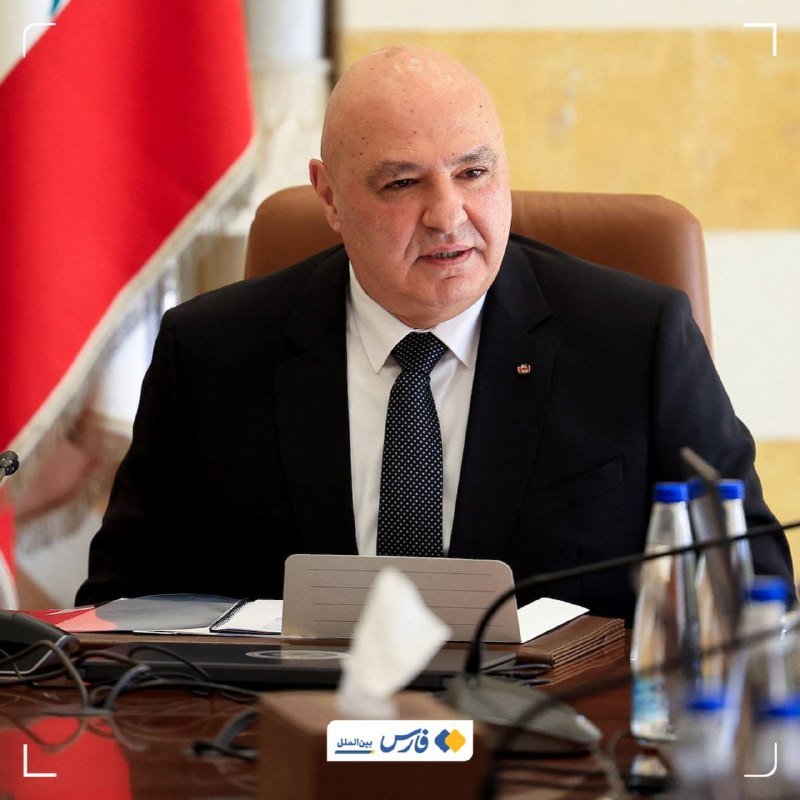
On 22 June 2026, Iran's parliament speaker stepped onto a stage in Beirut and offered a frame the region's diplomats have been waiting months to hear: a guarantee. The offer was thin on operational detail and rich in language about sovereignty, resistance, and the dignity of peoples who have spent four decades learning to translate Iranian foreign policy into local dialects. By the time the speeches ended, a back-channel arrangement that had kept southern Lebanon on a narrow ledge had acquired a public vocabulary it did not previously possess.
The stakes are easy to summarise in a line: a Lebanese ceasefire whose quiet mechanics work because they are not named has just been renamed. Whether it survives the renaming is the open question.
What the speaker said
The speech, carried live by Al Alam and relayed in extracts by Euronews, framed the arrangement not as a temporary truce between militaries but as a longer guarantee of state sovereignty inside Lebanon's borders. The vocabulary was deliberately Lebanese-coded: dignity of peoples, recognised borders, the right of residents to return to villages emptied by evacuation orders. The implicit contrast was with the diplomatic idiom of recent Arab normalisation tracks, where Iran's regional partners have at times been asked to accept arrangements that read as awards to the other side rather than as balances of restraint.
Iranian parliamentary speakers do not conduct ceasefires. The Iranian foreign ministry and the Islamic Revolutionary Guard Corps do. The choice of figure matters: a parliamentary address is a script, not a verdict. It signals that Tehran wants the deal legible to a Lebanese political class still raw from a war that ended only when outsiders decided it would, and to a domestic Iranian audience that has its own reasons to watch how its regional architecture is described.
The names on the stage
The audience list was itself a statement. Lebanese political figures who in other months would not have shared a podium sat through the same address. The implicit message: whatever shape the southern arrangement now takes, it has a parliamentary charter. Tehran does not control Lebanon's speaker's office or its cabinet, but it can curate the room in which the new vocabulary is delivered, and the curation has weight.
The same logic explains why the term guarantee, rather than agreement, ceasefire, or understanding, was foregrounded in coverage carried by Al Alam and re-broadcast into European newsrooms. A guarantee is something a parliament can claim ownership of. A ceasefire belongs to generals.
What the wire did not say
The wire reporting around the visit was careful. Specific operational facts on troop repositioning, on buffer-zone geometry, on monitoring arrangements, were absent from the public record on 22 June. Israeli government spokespeople did not, in the hours following the speech, confirm or deny the new framing. The Lebanese state, absorbed in its own post-war relief politics, was similarly quiet on whether it had been consulted on the parlance, let alone the substance.
That silence is itself the story. A guarantee only matters if the parties to the arrangement recognise they have received one. On the evidence available as of 22 June, the only party publicly enthusing about the term was the side that put it into circulation.
Why back-channels get dressed up
The arrangement that has held southern Lebanon since the cessation of major operations earlier in 2026 was, by all public accounts, brokered at the operational level between Israeli officers and Lebanese state intermediaries, with Iranian and American signalling that never quite reached the front pages. That is how effective deconfliction usually works in this region: it is unphotographed, unattributed, and quietly re-upped each time it frays. It survives on the absence of language, not its presence.
The decision to advertise the arrangement now, in parliamentary packaging, is therefore a strategic choice rather than a diplomatic inevitability. It suggests that the Iranians, or those speaking in their name, calculate that the deal is durable enough to bear public weight, and that the political returns from being seen as Lebanon's guarantor are large enough to justify the risk of being held to the guarantee's terms later, by opponents at home and rivals abroad.
What to watch from here
The next test is whether the guarantee travels. The frame only becomes binding when the Lebanese government, the Israeli security cabinet, and the offices that actually run the southern mechanisms repeat the language in their own voices. Until then, it is promotional copy for a deal that has not yet been re-issued in diplomatic format.
The second test is internal. Inside Iran, parliamentary speeches on Lebanon are also pitches to a domestic audience that watches how its money, its soldiers' lives, and its regional prestige are accounted for. A guarantee that is later walked back will be remembered at the next budget cycle. Inside Lebanon, a guarantee that arrives without a Lebanese signature will be read as another external script requiring a domestic translator, and Lebanon has seen enough of those to recognise the genre.
What is now in circulation is not a new deal; it is a new sentence for an existing one. The arrangement itself, the operational quiet that has held since the last major exchange earlier in the year, is unchanged by a speech. What has changed is who is allowed to claim authorship of the calm. That is a meaningful shift, and it is also a load-bearing one: a guarantee claimed in public has to be defended in public, and the next time southern Lebanon makes headlines, the speaker's words will be quoted back to him whether the arrangement has held or not.
Desk note: Monexus treated the Iranian parliamentary address as the lead event of the day on this story because the wire carried it that way, and flagged the unverified, single-source framing of the guarantee rather than reproducing it as fact. The structural observation, that back-channel deconfliction is usually durable precisely because it is unnamed, is the analytical move the wire items did not make.
Sources
- Al Alam channel coverage of the parliamentary address, 22 June 2026: https://t.me/alalamfa/
- Euronews relay of Lebanese parliamentary coverage, 22 June 2026: https://t.me/euronews/
- Al Alam follow-up reporting on Lebanese responses to the address, 22 June 2026: https://t.me/alalamfa/