Tuchel's England draws a sharper line than Southgate's ever did
A year out from the World Cup, England's new manager is rewriting the team's in-possession shape and demanding louder training-ground standards. The contrast with his predecessor is becoming harder to miss.
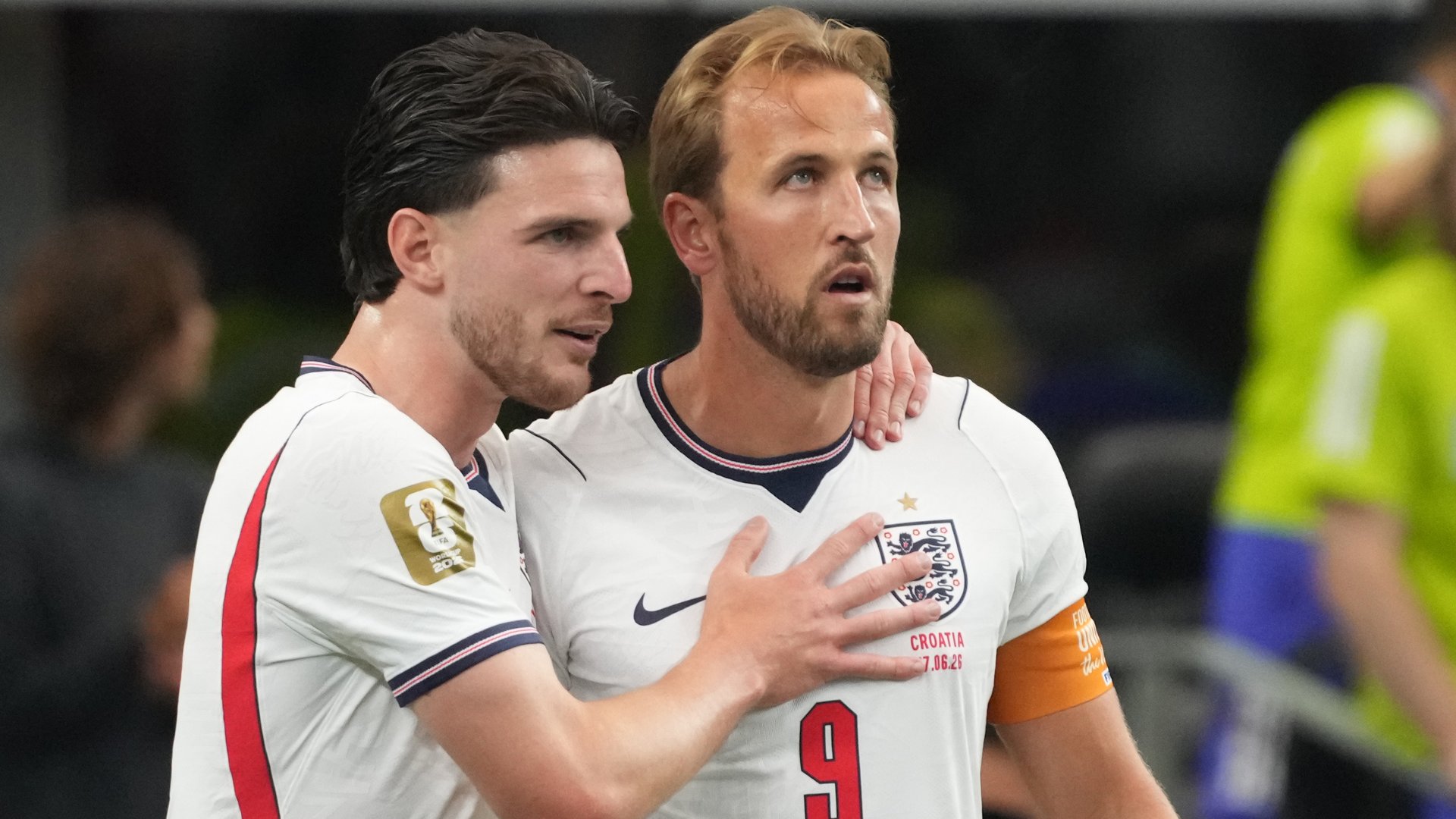
A year before the World Cup, the room Thomas Tuchel has rebuilt around the England football team looks, by several small but accumulating measures, unlike the one Gareth Southgate left behind. The shape of the side, the volume on the training ground, and the manager's tolerance for senior-player autonomy have all shifted since the German took charge. Reporting from the camp this week suggests the change is no longer a matter of personality so much as policy.
The pattern that emerges, ahead of the 2026 tournament in North America, is one of a manager unafraid to re-engineer habits his predecessor spent eight years entrenching. That is the story England supporters should hold on to as the friendlies tick down.
A different shape, a different demand
Tuchel's England is, first, structurally distinct. According to BBC Sport's tactical analysis published on 22 June 2026 at 13:43 UTC, the side has moved away from the conservative back-three and midfield-five Southgate used as default settings through Euro 2024 and the 2022 World Cup. Tuchel has preferred a back four, higher full-backs, and a single-pivot structure that asks his No. 6 to set the tempo rather than simply screen the defence. The differences are not abstract: they rewire which players start, which combinations are rehearsed, and which habits from club football are imported wholesale.
This is not a tweak. It is a vocabulary change. Southgate built an England side that could absorb pressure, hit vertical, and trust set-pieces; Tuchel is building one that can dominate possession in the opposition half. The two models are not mutually exclusive, but they reward different players, and the early selection patterns reflect that.
The volume on the training ground
The second contrast is harder to film but equally telling. Striker Ollie Watkins, speaking to BBC Sport in a piece published on 21 June 2026 at 22:04 UTC, said Tuchel is "not afraid" to shout at England players as he works to maintain training standards. The remark is unremarkable on its face; senior international squads have always tolerated a manager who raises his voice. What it signals is more interesting: Tuchel is unwilling to extend the diplomatic cushion Southgate often placed around senior forwards, particularly in the months immediately after tournament exits.
Watkins's comments also point to a deeper management instinct. Tuchel's career has been built on elite club environments, where the cost of a slow week of training is usually visible within ninety minutes. He is importing that loop into a national-team context, where the feedback cycle is longer and the margins for error are smaller. The players, on this evidence, are noticing.
What stays the same
There are continuities, and pretending otherwise would flatter Tuchel at the expense of history. Southgate took England to a World Cup semi-final in 2018, a European Championship final in 2021 and 2024, and built a squad culture that produced a generation of starters at Champions League clubs. Tuchel has inherited that depth, not conjured it. The FA's investment in St George's Park, the pathway from Under-21s to the senior side, and the soft-power infrastructure of English football predate him.
It is also worth noting what the public record does not yet show. The friendlies cycle that ends in late 2025 and the early 2026 matches remain, by the available reporting, narrow evidence. Tactical differences visible in June friendlies can dissolve in tournament football; training-ground volume is a leading indicator but not a verdict.
What the next twelve months will tell us
The honest question is what the new model will look like once the stakes are real. Southgate's England was, in the end, judged on knockout football against the best sides in Europe and South America; Tuchel's will be judged the same way. The structural choices made now, in June 2026, are the ones that will be in muscle memory next summer.
The upside is the obvious one. A side capable of sustained pressure can win games Southgate's England would have drawn or lost; the data on possession and chance quality in the Premier League has long supported that. The downside is more familiar: a team that hunts the ball is exposed when the press is broken, and Tuchel has not yet faced a high-class counter-attacking side in this competition cycle. The friendly results, by the time they conclude, will not be the story. The shape of the side under pressure, and the willingness of senior players to accept the new demands, will be.
Desk note: Monexus has framed this as a managerial doctrine story, not a personalities piece. The wire coverage around the friendlies has leaned on player quotes; the comparison with Southgate's tenure is the more durable analytical frame, and we have let it carry the piece.