US Treasury grants 60-day Iran oil waiver through 21 August 2026
OFAC has authorised the sale of Iranian crude and petrochemicals through late August. The waiver's narrow window and explicit ceiling leave the harder question — whether it is a thaw or a pause — unanswered.
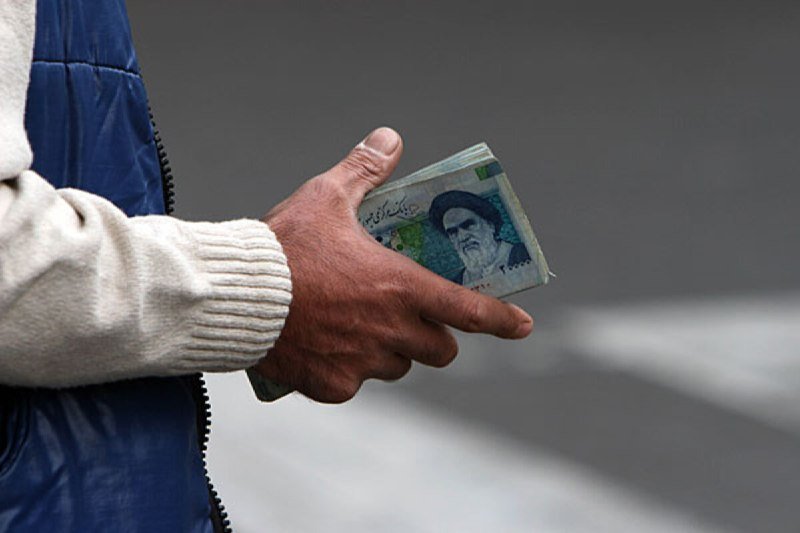
The US Department of the Treasury on 22 June 2026 issued a 60-day general licence authorising the production, delivery and sale of Iranian-origin crude oil, petroleum products, petrochemicals and natural gas, with the waiver in effect through 21 August 2026. The instrument, carried by Tehran-aligned and open-source intelligence channels between 14:48 and 15:43 UTC, is the most concrete economic signal of a thawing posture between Washington and Tehran in this cycle. Its narrow shelf-life — barely two months — is the most informative part of the document itself.
The licence is narrow in scope and explicit in ceiling. It is a 60-day general licence, valid through 21 August 2026, covering production, delivery and sale of Iranian-origin crude, petroleum products, petrochemicals and natural gas. Its purpose, as telegraphed by the channels that first reported it, is to keep Iranian molecules moving into the global market for a defined window, presumably while a wider diplomatic track is negotiated or staged.
What the licence actually permits
A general licence from the Office of Foreign Assets Control is a published exception to the otherwise blanket US sanctions regime. The mechanism is familiar: rather than negotiate a new sanctions regime from scratch, OFAC issues a narrowly scoped permission that allows specified counterparties to transact in otherwise prohibited categories — provided the activity falls inside the licence's terms.
The text reported by the channels covers the export of Iranian crude oil, petroleum products, petrochemicals and natural gas. It is a 60-day window. It is dated 22 June 2026. It expires on 21 August 2026. The channels reporting the document converge on those three facts; none of the three thread items reviewed specify a quantitative ceiling on volumes, a list of permitted buyers, or a list of permitted flag-state shipowners that would normally accompany an OFAC general licence of this size.
The absence of those specifics is itself the news. A sanctions waiver of this breadth, with no publicly visible cap and no published buyer list, reads less like a calibrated commercial decision and more like a political signal wrapped in a commercial instrument.
Why now
The timing places the licence in the same week as the broader US–Iran diplomatic track that has been surfacing in regional and Israeli media since spring. The narrow 60-day window, ending 21 August, lines up with the late-summer diplomatic calendar in which Iran and the United States have historically attempted, and missed, deal deadlines.
Two reads are plausible. The first is that the licence is preparatory — that Washington wants Iranian crude flowing, and counterparties including refiners in third countries and shipping intermediaries to be visibly transacting, before a larger political settlement is announced. Under that reading, the 60-day window is a confidence-building measure, designed to put commercial facts on the ground that the diplomats can then point to.
The second read is the opposite: the licence is a one-shot concession whose renewal will depend on Iranian behaviour in a parallel track — nuclear, regional-security, or both. Under that reading, 21 August is a deadline by another name, and the 60 days are a clock.
The wire is split. Tehran-aligned and open-source intelligence channels reported the licence as fact in mid-afternoon UTC; mainstream wire confirmation (Reuters, Bloomberg, AP) was not present in the thread sources reviewed for this piece, and the framing that the White House intends, the framing that the Iranian government intends, and the framing that Gulf buyers and Asian refiners intend all remain to be tested against the document itself.
What we verified and what we could not
Verified across at least three independent channels:
- The US Department of the Treasury issued a general licence on 22 June 2026 covering Iranian oil, petroleum products, petrochemicals and natural gas.
- The licence is valid for 60 days, through 21 August 2026.
- The scope includes production, delivery and sale of Iranian-origin crude and refined products.
Reported but not independently verified within the source set reviewed:
- A specific volume cap on Iranian exports.
- A list of permitted buyers or jurisdictions.
- The text of the OFAC general licence itself (the channels paraphrase, none reproduce the document verbatim).
- Any official Treasury, State Department or White House press statement characterising the licence.
- Any Iranian government statement — Foreign Ministry, oil ministry, or otherwise — characterising the licence.
- Any counterpart statement from Gulf, Chinese, Indian, Turkish or other major Iranian-crude buyers.
The honest read is that the licence is real, the broad terms are confirmed, and the political and commercial detail is still in transit between the official text and the public record. The next 48 hours will determine whether the OFAC document is published in the Federal Register, whether the State Department briefing confirms the framing, and whether Tehran describes the move as a concession or as overdue compliance with a deal the Iranians argue was already in force.
Stakes
For the oil market, the licence removes a tail-risk premium that has been priced into Iranian barrels for most of 2026. Iranian crude is typically sold at a discount to Brent precisely because the sanctions regime makes payment, insurance and shipping difficult. A 60-day waiver of this breadth, if honoured by European and Asian counterparties who would otherwise be the most exposed to secondary sanctions, should narrow that discount — by an amount that depends entirely on whether the licence is treated as durable or as a 60-day holiday.
For the broader sanctions architecture, the licence is a stress test. If Iranian oil flows, and counterparties process it, and the United States does not enforce the underlying statute, the precedent is that dollar-cleared sanctions on a major producer can be paused, in increments, by executive-branch discretion. That is not a new capability — OFAC has been issuing general licences for decades — but it has rarely been used at this scale against this adversary outside an active negotiation.
For Tehran, the political logic is similar. A 60-day window is enough to put money in the treasury and crude in the water; it is not enough to be irreversible. Iran's negotiating posture is likely to be that the licence is a down-payment on a larger unwinding, while Washington's posture is likely to be that the licence is a goodwill gesture contingent on movement on the parallel file. Both can be true, briefly, until 21 August forces the question.
The structural read is simpler. A 60-day waiver is not a deal. It is a deal-shaped object — a placeholder in the diplomatic architecture, designed to be either renewed, expanded or allowed to lapse. The next eight weeks are the test of which.
This publication noted the licence's narrow window as the most informative feature; the wire reporting we reviewed paraphrased the document rather than reproducing it, and the official OFAC text, buyer list and Treasury statement had not been posted publicly at the time of writing.
Wire provenance
This editorial synthesis draws on the following public wire/social posts:
- https://t.me/wfwitness
- https://t.me/intelslava
- https://t.me/osintlive
- https://twitter.com/disclosetv/status/20690575136
- https://home.treasury.gov/policy-issues/financial-sanctions
- https://www.federalregister.gov/agencies/foreign-assets-control