The debutants are scoring, the records are falling — and the UK still cannot decide who gets to watch
Ten days into the 2026 World Cup, every debuting nation has already found the net. In London, ministers are still arguing about whether British fans will be allowed to keep watching.
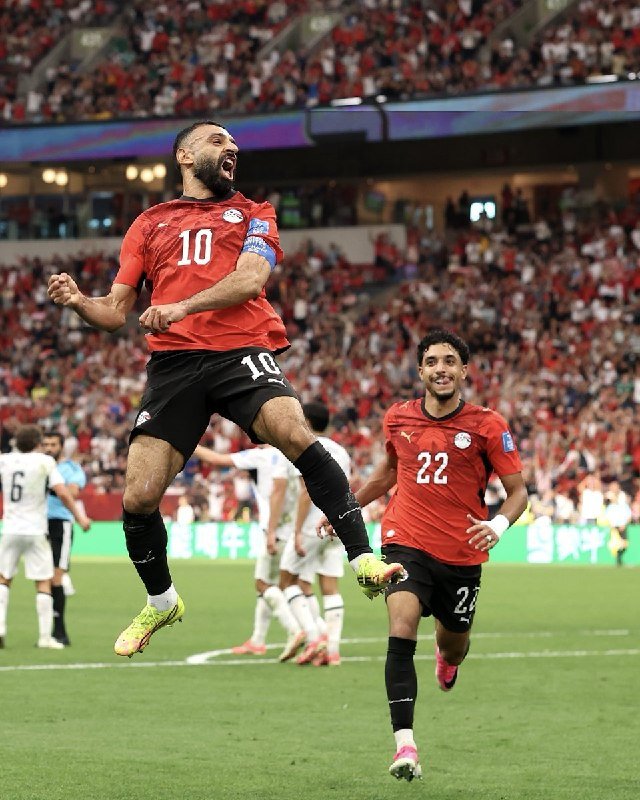
Ten days into the 2026 FIFA World Cup, the headline most often attached to the tournament is the one FIFA and the wire desks keep repeating in chorus: every one of the four debuting nations has scored in its first ever match at a men's World Cup. FIFA's official account posted the milestone at 03:36 UTC on 22 June 2026, and The Athletic's feed carried the same line within minutes. The framing is tidy, the visual is built for social, and the takeaway is that the expanded 48-team format is, on this early evidence, doing what FIFA said it would do — generating new stories.
That is the feel-good frame. Underneath it, two very different things are happening at once: on the pitch, the records are falling; in Westminster, ministers are trying to rewrite the rules of who is allowed to broadcast the next one.
A tournament rewriting its own ledger
The 2026 tournament is ten days old and already producing a stream of broken or threatened marks, according to a BBC Sport audit published 21 June 2026. The piece catalogues the records that have either fallen or look likely to fall before the group stage closes, and the throughline is volume. More games, more minutes, more chances — the structural change from 32 to 48 teams is, in plain terms, producing more goalscoring opportunities for more players from more countries than any World Cup in history.
The debutant stat is the most photogenic of those. Four first-time qualifiers, four first-time goalscorers. The number is small enough to remember and symbolic enough to fit the message FIFA wants to send about the tournament's reach. The Athletic's social post ran with the same language FIFA used, which is itself a small window into how the modern World Cup news cycle now works: a federation publishes, the major outlets repeat, the platforms amplify. None of the wire reporting reviewed in the run-up to this piece disputes the underlying fact; all of it does the work of laundering FIFA's preferred narrative without much friction.
The counter-narrative is also a record book
The expansion has a less flattering ledger alongside it. With more matches comes more dead rubber, more mismatches, and a longer stretch between the moments that matter. That is the worry tournament traditionalists have raised for years, and the early returns are mixed. The debutant goals are not all coming against elite opposition — some are consolation strikes in fixtures already lost — which makes "debutants scoring" an emotionally true but statistically soft claim. The BBC records piece is careful to separate milestones that have already been broken from those merely in range; the gap between the two categories is where the tournament's actual quality argument will be fought.
There is also a quieter story about distribution. A World Cup in which more countries than ever participate is a World Cup in which more countries than ever need to watch, and the channel by which they watch is becoming a political question rather than a commercial one.
The UK's "crown jewel" fight
On 21 June 2026, the British government opened a consultation on legislation that would stop the country's most-watched live sporting events — the World Cup chief among them — from being moved behind a paywall on streaming or catch-up services. The proposal, as reported by BBC Sport that afternoon, is the British version of the "listed events" regime that has governed free-to-air broadcast rights since the 1990s, updated for an era in which the Premier League, Champions League and major tournaments increasingly surface on subscription platforms rather than the public-service broadcasters.
The framing the government is using — "crown jewel" events — is borrowed directly from the vocabulary of broadcast policy, and it places the World Cup alongside the Olympics, the FA Cup final and the Wimbledon finals in a category the state believes should be universally accessible. The argument is straightforward enough: a national team playing in a World Cup is, in effect, a piece of common cultural property, and a generation of fans being told to pay a streaming subscription to watch England, Scotland, Wales, Northern Ireland or the Republic of Ireland is a market failure the regulator should be allowed to correct.
The counter-argument, which the streaming platforms and several of the larger rights-holders will make in response to the consultation, is that "crown jewel" status depresses the price the market is willing to pay, which in turn depresses the fee flowing down to the leagues, the clubs, and ultimately the players. That argument has merit. It also has a limit: a paywalled World Cup is not, in polling terms, a popular product, and the British political class has been moving towards the listed-events expansion for several years.
The structural question underneath both stories
Both stories — the debutant goals and the listed-events fight — are really about the same thing: who controls the reach of a globalised sport. FIFA wants more countries in the tournament because more countries in the tournament means more bidders for the rights, and more bidders means a higher aggregate commercial yield. The British government wants the most-watched of those matches kept on free-to-air television because a World Cup that only paying customers can see is, in democratic terms, a smaller event than a World Cup that anyone with a television licence can watch.
The tension is not new. The shape of it has been visible since 2018, when the Premier League moved a chunk of its live matches behind a paywall and the listed-events regime first came under sustained pressure. What is new is the scale. A 48-team World Cup is the most commercialised sporting event in history operating in the most fragmented media market in Europe. The two trajectories are on a collision course, and the UK consultation is one of the first moments at which a European government has tried to legislate its way out of the impact zone.
What remains uncertain
The consultation is a consultation, not a bill. The text of any draft legislation, the definition of "crown jewel," the penalties for non-compliance and the carve-outs for highlights packages are all unsettled. The debutant stat, meanwhile, is a snapshot: it will be true at the final whistle of every debutant's first match and remain true thereafter, but it tells the reader nothing about whether any of those debutants will survive the group stage, score again, or be remembered for anything beyond the goal. The records that look "set to be broken" are also forward-looking, and the BBC's own piece is careful to mark which marks have already fallen and which are merely in range.
What can be said with more confidence is that the 2026 World Cup is, in its first ten days, doing the work of justifying the format change on the metric FIFA cares about most — participation optics — and is doing it at the precise moment a major European government is trying to ensure that the matches themselves remain visible. The two facts are not contradictory. They are the same story, told from two ends of a transaction.
— Monexus framed this piece around the gap between the tournament's commercial expansion and the regulatory perimeter European governments are now redrawing around it, a frame the wire copy handled as two unrelated stories.
Wire provenance
This editorial synthesis draws on the following public wire/social posts:
- https://t.me/FIFAcom
- https://t.me/TheAthletic