Algeria's late double sends Jordan home and keeps the group arithmetic alive
Goals in the 69th and 82nd minutes flipped the result in the group stage and kept Algeria's qualification route open at Jordan's expense.
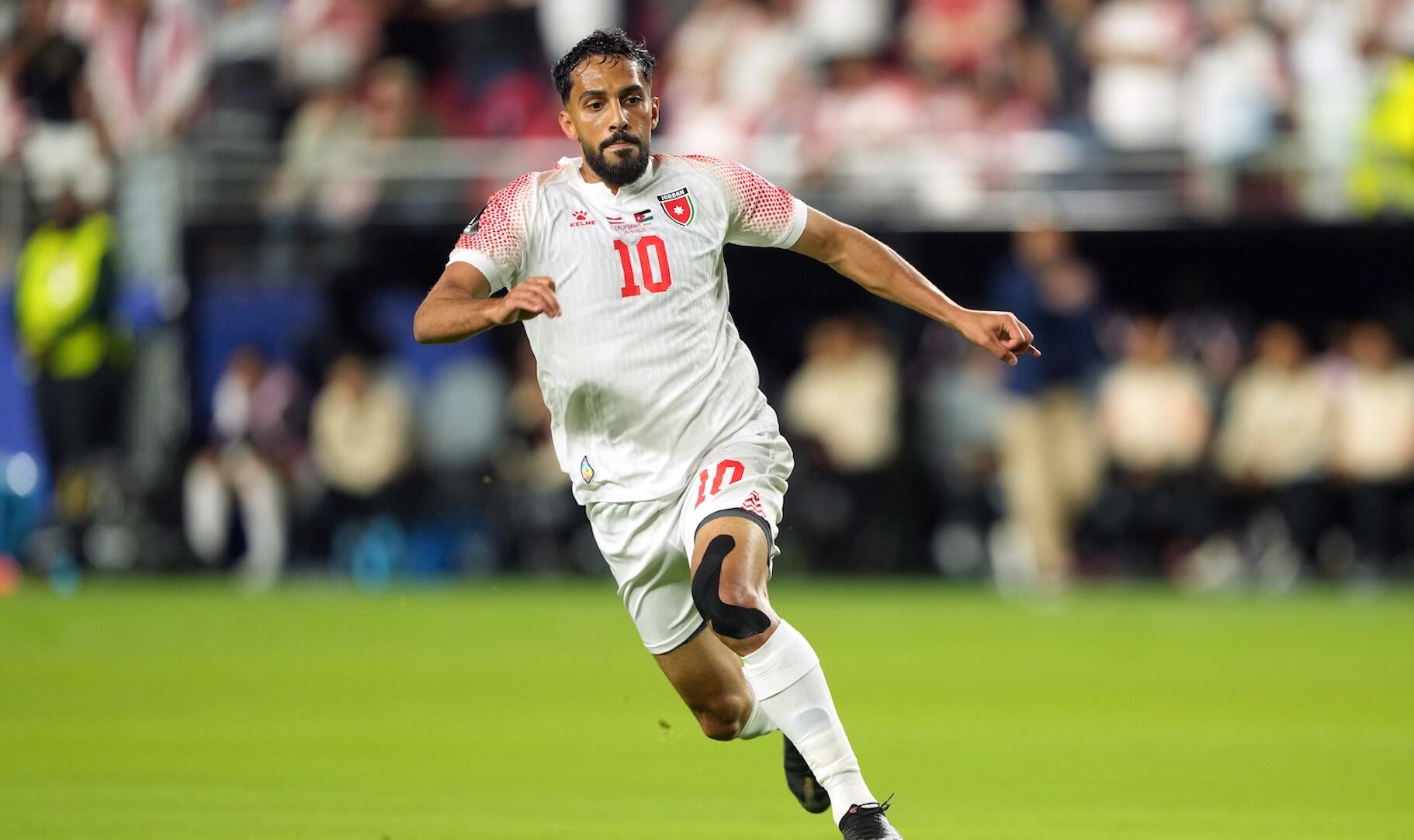
Algeria needed less than a quarter of an hour to undo a stubborn Jordanian defensive effort on Tuesday. The result — a 2-1 comeback win sealed by an 82nd-minute strike from Amin Goiri, after Nabil Benbouali had levelled in the 69th — was confirmed in Telegram posts from Iran's state-affiliated Mehr News at 04:56 UTC and Iran's Tasnim News at 05:04 UTC on 23 June 2026. With the Group A picture tightening, Algeria's path stays mathematically open; Jordan's does not.
The pattern is familiar in this tournament: a team that defends in two compact banks, absorbs pressure, and trusts the counter — only to be caught when legs tire. Jordan did what smaller sides at this level must do. They conceded the ball, kept the central corridor clogged, and waited for transitions. For 68 minutes the arithmetic worked. Then it did not.
What the night actually contained
The two Iranian wire posts describe the same match, but with different emphases. Mehr, which carries play-by-play text, lists Benbouali's equaliser in the 69th minute and Goiri's winner in the 82nd, and frames the result as a two-goal rally inside thirteen minutes. Tasnim, picking up the result a few minutes later, leads with the eliminations and the phrase "Algeria's hopes were kept alive" — a different verb tense, the same scoreline. Neither outlet names the Jordan goalscorer or the minute of the opener; neither provides a shot count, expected-goals reading, or possession split. The match-report detail has to be filled in by the reader.
That matters. In a group where goal difference and head-to-head often decide qualifiers, a 2-1 win and a 2-1 loss tell different stories than the headline suggests. The shape of the result — a one-goal margin decided late, with the trailing side's goalkeeper presumably beaten twice in a short window — points to a Jordan side that competed for longer than the scoreline credits. It also points to an Algerian attack that struggled to find gaps in the first hour.
The structural frame, stripped of theatre
North African federations have spent the last decade converting diaspora talent into competitive senior squads. Algeria's recent cycle is the clearest example: a generation of French-born players of Algerian origin has been integrated, on terms set by the Algerian federation rather than the French one, into a squad that treats the Africa Cup of Nations and the global Arab tournament circuit as parallel proving grounds. Jordan's project runs in the opposite direction — a federation that has built a tactical identity around compactness, set-piece threat, and the disciplined long-ball game that has become the regional trademark for sides that do not control possession.
What the result illustrates, more than any tactical revelation, is the value of squad depth at the back end of a tournament. Algeria's decisive phase stretched past the 65-minute mark, when fresh legs entered and Jordan's defensive block had been running for an hour-plus. The substitution window, not the starting eleven, decided the result.
The other side of the scoreline
A comeback is also a collapse. Jordan conceded twice in thirteen minutes, both from open play, after holding a lead deep into the second half. The framing that will travel through regional coverage tonight is Algerian resurgence; the framing that will travel through Amman is the conceded lead. Both are true. This publication notes that the Iranian wires covering the match are state-adjacent outlets whose priority is the result and the qualification arithmetic, not a forensic tactical breakdown — and the absence of a named Jordan goalscorer or minute in the brief wire notes means the Jordanian perspective on the night is currently carried mainly by the team's own channels and supporters, not by the wire copy under review here. Readers following the tournament should treat the late-window xG and shot data as the arbiter of which framing carries more weight.
Stakes and what comes next
The qualification mathematics, rather than the result's romance, is what the federations will be reading on the flight home. Algeria stay in the bracket with a path that runs through other fixtures; Jordan go home with three points from a group they entered as the lowest seed in several regional models. For a federation of Jordan's size, that is a respectable return and a foundation. For Algeria, anything less than progression now looks like waste — the resources poured into the diaspora recruitment model demand a deeper run than a group-stage exit. The next forty-eight hours of group play will convert that pressure into either vindication or a press conference the federation did not want to schedule.
Desk note: the wire copy that drove this piece is Iranian state-adjacent coverage (Mehr, Tasnim) carried by Telegram channels that frame the result as a regional rather than European story. Monexus has leaned on those notes for the scoreline, the scorers, and the minutes, and has flagged the silence on the Jordan goalscorer and minute as a gap in the available sourcing rather than papering over it.
Wire provenance
This editorial synthesis draws on the following public wire/social posts:
- https://t.me/mehrnews
- https://t.me/tasnimnews_en