France 3-0 Iraq, but the second-half delay is the real story from the 2026 World Cup
France beat Iraq 3-0 to open their 2026 World Cup campaign, but a multi-hour second-half interruption — first 50 minutes, then another stretch, totaling roughly two hours and 15 minutes — turned the match into a stress test of the host federation's matchday operations.
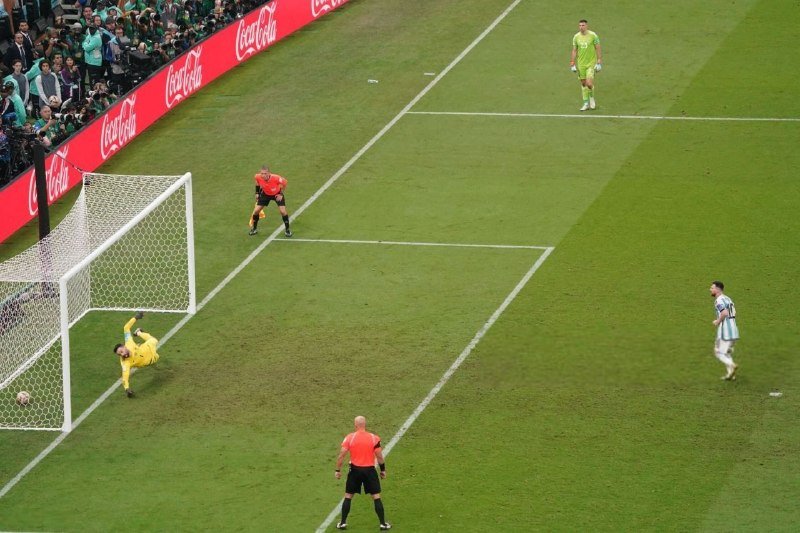
France began their 2026 World Cup campaign with a 3-0 victory over Iraq on 22 June 2026, but the headline scoreline concealed a matchday that tested the host federation's grip on basic operations. The result lifts Didier Deschamps' side to the top of the group on the opening matchday; the circumstances, however, will draw scrutiny from FIFA's technical and broadcast divisions long after the points are logged.
The full-time result was straightforward. The run-up to it was not. Iraq restarted the second half more than two hours after the interval — a delay that began with an announced 50-minute postponement and then stretched further before play resumed. The sequence of stoppages, announced in stages, exposed a communications gap that broadcasters, travelling fans, and the teams themselves had to absorb in real time.
What actually happened on the night
Per Telegram-channel Al Alam Arabic, the start of the second half was first postponed for an additional 50 minutes, with kickoff for the final period pushed back from the standard 15-minute interval. Roughly 80 minutes later, the same channel reported that the second half had resumed — describing the total delay as approximately two hours and 15 minutes from the original restart time. The 3-0 result to France was then confirmed shortly after midnight UTC, per the same outlet's wire. The thread context does not specify a cause for the delay; FIFA had not, as of the wire timestamps provided, issued a public explanation in the materials reviewed.
The dominant Western wire framing of the night centred on the result — a clean Deschamps-era win to open a tournament France are expected to contest deep into the knockout rounds. The counter-narrative, pushed by regional Arabic-language channels, is operational: a Group-stage match should not need a 50-minute postponement announcement followed by another stretch of delay. Both readings are compatible. A team can win a match and a federation can still have had a bad night.
The structural frame, in plain terms
The 2026 World Cup is the largest edition in the tournament's history, expanded to 48 teams and staged across 16 host cities in the United States, Canada, and Mexico. That scale puts every component of matchday delivery — pitch preparation, broadcast cabling, security cordons, weather contingency, officiating logistics — under a level of strain the competition has not previously absorbed. Delays of minutes are normal; delays measured in hours are a different category of incident and tend to point to a cascading failure rather than a single trigger.
What the France-Iraq match offers, then, is an early signal. The structural pressure on the 2026 tournament is uneven: marquee fixtures at the largest venues will be heavily resourced, but pool-stage matches in secondary markets often rely on leaner staffing models. The longer a delay runs, the more the cost is borne by the broadcasters holding advertising slots, the teams managing warm-down protocols, and the fans inside the stadium who paid full price for a 90-minute product. None of those costs are reflected in the 3-0 scoreline.
Counterpoint: a one-off, not a pattern
The defence the host federation is likely to mount — and that early-tournament chaos is routine, particularly in stadiums hosting their first major FIFA event — has merit. The opening days of any expanded tournament tend to surface logistical frictions that get resolved by the second matchday. The thread context provides a single data point, not a trend, and a single weather, technical, or security incident could explain the full sequence without indicting the broader operation. Monexus flags the event as a stress test passed, but barely, on the evidence currently available. A more confident read will require FIFA's post-match incident report and on-the-record statements from both federations.
Stakes: what the delay actually costs
If the France-Iraq stoppage is a one-off, the cost is reputational and confined to the opening week. If it is a leading indicator, the cost is commercial. The 2026 World Cup is the most lucrative tournament in FIFA's history by broadcast rights and sponsorship inventory; every hour of unscheduled downtime is an hour in which the rights-holder's schedule is broken. For the smaller federations in the field — Iraq among them, drawn into a group with France and likely competing for the second slot — the loss of match rhythm carries a competitive cost too. Iraq's players cooled down, warmed back up, and restarted a half that, by the time it began, bore little relation to the half that ended.
For Deschamps, the result is what matters. For everyone else in and around the tournament, the question is whether the next matchday delivers the product the rights were sold on.
How Monexus framed this: the wire led with the 3-0 scoreline; the regional Arabic-language reporting led with the delay. Monexus treats both as first-order facts and lets the operational question sit alongside the result, rather than underneath it.
Wire provenance
This editorial synthesis draws on the following public wire/social posts:
- https://t.me/s/alalamarabic
- https://t.me/s/alalamarabic
- https://t.me/s/alalamarabic
- https://en.wikipedia.org/wiki/2026_FIFA_World_Cup