Tehran's frozen money and a Friday in Geneva: what the Iran deal is actually buying
A peace accord is set to be signed in Geneva on Friday. The real argument is not over its text but over who controls the dollar flow that follows.
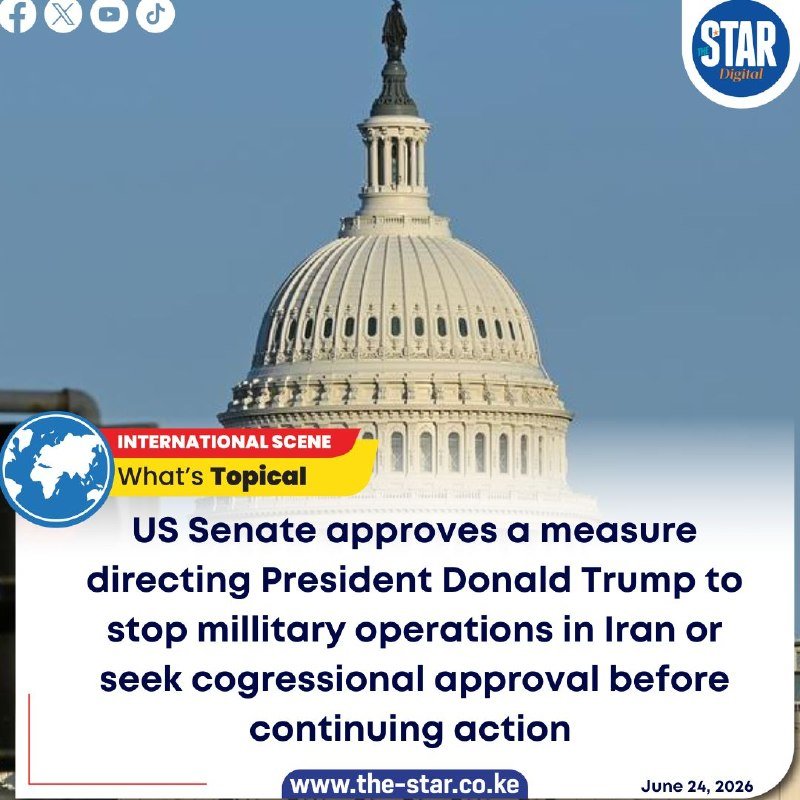
On 23 June 2026, the White House and the Islamic Republic of Iran are preparing to put their names to a "peace accord" in Geneva — a phrase that, in 2026, has become a euphemism for a narrow, transactional arrangement rather than a comprehensive settlement. According to a Middle East Eye live blog dated 23 June 2026, an Iranian negotiator framed the talks as instrumental in stopping bloodshed in Lebanon; the same report records domestic US criticism of the sanctions relief on offer, and a Trump statement that released Iranian assets will be returned "through food purchases" rather than direct cash transfers. Earlier on 23 June, Reuters reported Donald Trump telling reporters: "I will do what I have to do" if Iran does not stick to the deal.
The dispute is not really about whether the deal is signed on Friday. It is about which country's banking system arbitrates the money that flows when it is.
The architecture of the concession
The headline figures are absent from the public thread, but the structure is. Iranian assets held abroad — frozen under US secondary sanctions since the Trump administration's 2018 withdrawal from the Joint Comprehensive Plan of Action — are to be released. The catch, as the Middle East Eye blog quotes the US president, is that the funds are ring-fenced: they will return through food and humanitarian purchases, not as fungible hard currency. The mechanism matters because it leaves the correspondent-banking spine untouched. Iranian oil can, in principle, be sold; the proceeds are routed through accounts pre-cleared by the US Treasury; and the dollars that finally clear in Tehran arrive as wheat, medicine and infant formula rather than as entries in a central-bank reserve statement.
This is the part the press releases will not spell out. Sanctions relief in name, structural isolation in practice: Iran gets the calorific intake of a partial lift, while the global payments infrastructure that makes its oil revenue convertible remains, in the most consequential sense, a US-controlled utility.
The Lebanese footnote — and why it is doing the work
An Iranian negotiator told Middle East Eye that the talks helped "stop bloodshed in Lebanon." The claim is unverified by independent reporting in the available thread, and it should be read as a negotiating talking-point rather than a confirmed outcome. But it is doing structural work in the agreement. Lebanon's banking collapse, Hezbollah's paymaster relationship with Tehran, and the country's dollarised informal economy make it the cleanest test case for whether a deal actually loosens anything on the ground. If Iranian funds cannot reach a Shia-majority suburb of Beirut through a Hizbullah-linked network, then the relief is, in the words of one sanctions lawyer, "therapeutic, not strategic." If they can, then Washington has accepted a degree of Iranian financial re-engagement it has refused for the better part of a decade.
What the Democrats are actually objecting to
The domestic US critique, again from the Middle East Eye live feed, is bipartisan in form but specific in target. Critics are not objecting to negotiations per se — those are now a normalised feature of US Middle East policy — but to the precedent of releasing assets without a corresponding rollback of Iran's nuclear and proxy infrastructure. The Trump formulation of "food purchases" is a response to that critique: it is the administration publicly pre-committing to a structure that disarms the "cash for hostages" framing by making the money, in a literal accounting sense, unspendable on missiles.
It is clever politics. It is also, as critics note, a structure that survives only as long as the supplier list is controlled. Once food credits can be resold, discounted, or converted in a third-country market, the ring-fence becomes porous — and the Treasury's enforcement budget is finite.
The structural frame — and the stakes
A peace accord signed in Geneva on a Friday afternoon, with the Strait of Hormuz still in the background, is the kind of deal that is genuinely useful and genuinely insufficient. It is useful because it lowers the immediate temperature around oil transit, Lebanese state finances, and the risk of a direct US-Iran escalation that neither side's economy can absorb in 2026. It is insufficient because it leaves intact the architecture the regional financial order has been built on since the 1970s: dollar clearing, correspondent banking, and the US Treasury's discretion over who gets to convert.
The counter-narrative — the one that ought to be on the page, even if the wire desks are not carrying it — is that Iran is buying a partial de-freeze at the cost of accepting a US-controlled payment spine for the foreseeable future. The other reading is that Tehran has extracted something the Trump administration was not offering six months ago, and the ring-fencing is the price the White House demanded to sell the deal domestically. Both readings are partly true. The honest answer is that the deal is small enough to be reversible in either direction: a Treasury action, an Israeli strike on a centrifuge site, or an Iranian move to monetise the food credits outside the agreed channels, and the structure unravels.
Reuters's Trump quote — "I will do what I have to do" — is the backstop clause. It is also, more or less, a confession that the deal rests on the credibility of threat rather than on a balanced exchange of concessions. The Geneva ceremony will produce photographs. The months that follow will produce the test.
How Monexus framed this vs the wire: the wire carried the Friday signing as a peace story. Monexus is reading it as a payments-architecture story, because that is what the next round of regional escalation or de-escalation will actually turn on.
Wire provenance
This editorial synthesis draws on the following public wire/social posts:
- http://reut.rs/4vy7HQM