Ronaldo writes another chapter at 41 as Portugal rout debutants Uzbekistan 5-0
Two goals and a record: at 41, Ronaldo becomes the first player to score at six World Cups as Portugal dismiss a Central Asian debutant 5-0 in Houston.
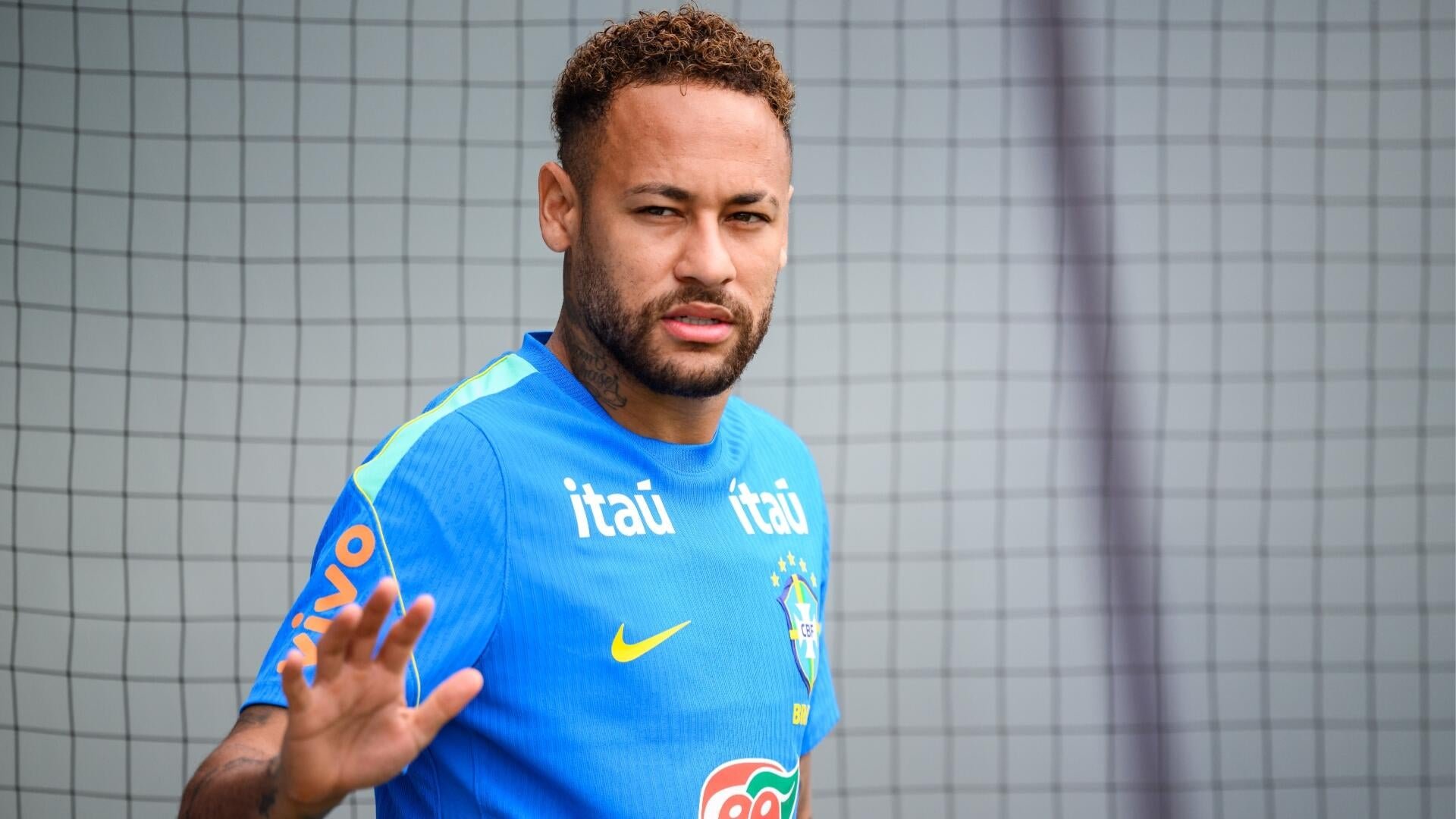
Cristiano Ronaldo, now 41, scored twice and became the first man to find the net at six separate World Cups as Portugal demolished Uzbekistan 5-0 in their Group-stage meeting in Houston on 23 June 2026. The match, played in front of a heavily pro-Portugal crowd, was the Central Asian side's first-ever World Cup appearance and was over as a contest by half-time. Uzbekistan's goalkeeper turned the ball into his own net to complete the rout in the closing stages.
Twenty-four hours earlier the same fixture had been framed as a referendum on whether Ronaldo still belonged in this Portugal side. By full time in Houston, the framing had collapsed under its own weight — but the structural question it raised remains. The 2026 World Cup is the first in which the truly veteran generation of the early-2020s squads is now visibly past its sporting prime, and Portugal are the most-watched case study in how to manage that.
From sluggish opener to statement win
Portugal's tournament had begun in unconvincing fashion. Against the Democratic Republic of Congo in their opening fixture, Ronaldo cut a peripheral figure — a 41-year-old operating in the same pocket of space he had inhabited at 25, but no longer the focal point of the attack. Questions mounted. Domestic coverage in Portugal and a section of the English-language press asked the obvious question: how do you solve the problem of a fading superstar who remains undroppable in a country that treats him as a national institution?
The Uzbekistan match offered an emphatic, if imperfect, answer. Ronaldo opened his account before the break and added his second shortly after half-time — the goals that took him past the threshold no other player in the sport's history has reached. By the time Uzbekistan's keeper deflected a cross into his own net in the closing minutes, Portugal were 5-0 up and the bench could afford to rest key players with the knockout rounds in mind.
A record that resists tidy context
Six World Cups. 2006, 2010, 2014, 2018, 2022, 2026. The number flatters the longevity and obscures the trajectory — Ronaldo's tournament-by-tournament goal tallies have not been linear, and his share of Portugal's attacking play has shifted with each cycle. The opposition he faced on Tuesday night, a Uzbekistan side unbeaten in qualifying but out of its depth at this level, does not let any honest reader claim that a vintage Ronaldo has been restored.
What can be claimed is this: in a sport that routinely discards players in their mid-30s, Ronaldo has engineered his body, his role and his squad status to remain a starting No. 7 at an age when most of his peers are working in punditry. The tactical scaffolding around him has changed — he is finishing, not constructing — but the output is durable.
The Uzbekistan story gets lost
There is a second narrative buried under the Ronaldo headlines and worth surfacing. Uzbekistan's appearance at this tournament is a milestone in itself. The White Wolves — managed by Timur Kapadze, the former AC Milan defender Fabio Cannavaro's opposite number on the Portuguese bench on Tuesday — arrived in North America as one of two Central Asian qualifiers, the product of a long investment in academy football and a federation that has spent two decades punching above its weight in Asian competitions.
To be drawn against the eventual group-stage favourites, and to concede five, is the brutal end of that fairytale. But the gap between Uzbekistan and Portugal on Tuesday was not 5-0 wide in any structural sense — it was the gap between a side that has played one World Cup match in its history and a side that has played the tournament for the seventh time. The development story behind the Central Asian programme is the one FIFA's marketing operation has barely told. Tuesday's scoreline tells you less about Uzbekistan than about the asymmetry of starting positions.
What changes — and what doesn't
In the short term, very little. Portugal will progress, almost certainly as group winners; the management will rotate in the dead-rubber third fixture and arrive at the round of 16 in good shape. Ronaldo will start, because he always starts, and the record books will tick along.
In the medium term, this is the tournament at which a question that has been deferred for four years finally lands on the desk. What is Portugal after Ronaldo? The current squad — Bernardo Silva, Bruno Fernandes, Rafael Leão, Vitinha — is talented enough to compete without him, and probably better balanced when his minutes are managed. Tuesday's demonstration did not answer that question. It postponed it by one more game.
The uncertainty worth naming: the source coverage does not specify the attendance figure in Houston, the exact minute-mark of each goal, or the identity of Portugal's other three scorers. The 5-0 result and Ronaldo's brace are robust across FIFA, Al Jazeera, the BBC and wire reports; the granular scoring detail can be filled in once the official tournament statistics are published.
How Monexus framed this: the wire services led on Ronaldo's record and Portugal's margin. We led on the same, but flagged the Uzbekistan development story underneath — the more durable takeaway from the first Central Asian World Cup appearance is not how many Ronaldo scored, but that Uzbekistan were there at all.
Wire provenance
This editorial synthesis draws on the following public wire/social posts:
- https://t.me/FIFAcom/1
- https://t.me/TheAthletic/1
- https://t.me/tasnimnews_en/1
- https://t.me/transfermarkt/1