Trump's Iran deal arrives in pieces — and the inspector is still the inspected
A claimed Iranian concession on nuclear inspections is doing the work of a deal that does not yet exist. The ships are still in place, the inspectors are still the inspected, and the polling on whether any of this holds is already turning.
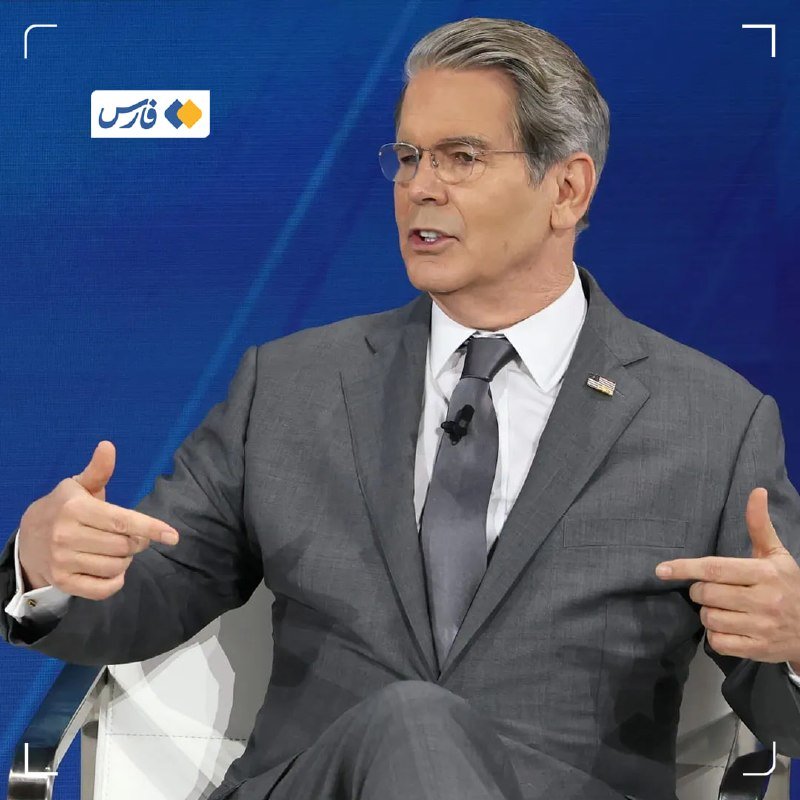
On 23 June 2026, Donald Trump announced that the United States would end its naval blockade of Iran because Tehran had, in his telling, "fully and unconditionally" agreed to the highest level of nuclear inspections. The blockade, he said, would come down. The ships, he added in the same breath, would stay where they are. The gap between those two sentences is the entire story. [12:59 UTC, Ukrainska Pravda wire via Telegram, citing the Trump statement]
What is on the table is not a deal. It is a presidential claim about a deal — a claim being made by the same office that controls the very inspections regime it is praising Iran for agreeing to. The concession is being announced by the inspector about the inspected, the reward is being issued by the blockader to the blockaded, and the verification of whether any of it holds will be performed by the party that gets to define "highest level." That is a peculiar architecture for a confidence-building measure.
The blockade that isn't over
The first thing to register is that the headline concession has not actually taken effect. Trump told reporters on 23 June that the US would "end" the naval blockade, then immediately clarified that vessels involved in the operation remain in their current positions pending verification. [12:59 UTC, Ukrainska Pravda / Telegram] The New York Post, a paper closely aligned with the Republican base, is already treating the announcement as something to be mocked rather than credited. [12:10 UTC, World Freedom Witness / Telegram, summarising NYP coverage] When the loudest house paper in your own coalition is ridiculing your diplomatic victory, the victory is not what it is being sold as.
A prediction market that prices political announcements in real time has been tracking the same line. Polymarket's 22 June update noted Trump announcing that Iran would agree to "major weapons inspections to ensure 'nuclear honesty' far into the future." [17:45 UTC, 22 June 2026, Polymarket wire] The phrasing tells you everything. "Nuclear honesty" is a campaign line, not a technical category. The International Atomic Energy Agency's standard wording — additional protocol, comprehensive safeguards, joint plan of action — does not appear. The agreement is being described in the vocabulary of a press release because the document that would actually carry those words does not, on the public record, exist yet.
The mirror-image problem
The deeper difficulty is that this is a deal announced by both parties at once, with neither side willing to put the other's words in their own mouth. Trump says Iran has agreed to inspections. Iran's own communications, as represented across the four inputs available at the time of writing, are mediated entirely through Trump's mouth and through a prediction-market feed reacting to Trump. There is no Iranian foreign ministry statement, no IAEA board report, no technical annexe in the thread. The "fully and unconditionally" is Trump's gloss on a position that, by his own account, Iran has not yet publicly confirmed in those terms.
This is the recurring pattern of the second Trump administration's foreign policy: the announcement is the artefact. The press cycle consumes the announcement, the prediction markets move on the announcement, allied papers either cheer or jeer the announcement, and the actual document — the one a future administration, a court, or an inspector general would have to enforce — is still being negotiated. The risk is not that this is fake. The risk is that it is real in form but unenforceable in substance: a headline that ages badly the first time a centrifuge spins up in Natanz or a cargo ship is re-inspected in the Strait of Hormuz.
What "highest level of inspections" actually means, and doesn't
There is a plain-language way to test whether any of this is consequential. The IAEA's existing additional protocol gives inspectors complementary access to declared and undeclared sites, environmental sampling, and short-notice entry. The most intrusive arrangement ever negotiated with a non-weapons state is the Iran-specific additional protocol applied after 2015, paired with the Joint Comprehensive Plan of Action's procurement channel and centrifuge restrictions. If Trump's "highest level" means going back to or beyond the JCPOA verification regime, that is a known, technical thing that can be specified in a side-by-side comparison. If it means something new, the technical content has to be written down, not tweeted.
The thread does not contain that document. It does not contain a single Iranian source confirming the scope of the concession. It contains Trump's claim, a Republican-aligned paper's mockery, a prediction market's reaction, and a social post reiterating that Trump said Iran had agreed. That is a thin ledger for the largest non-proliferation announcement in years. It is also, notably, a ledger with no entry for the IAEA, the UN Security Council's five permanent members, or the Gulf states whose shipping lanes the blockade was nominally protecting.
Stakes, and the part that should worry you
The beneficiaries of an arrangement that holds are obvious: oil markets get a stable risk premium, the Strait of Hormuz returns to a dull background risk, and a second Trump administration gets a foreign-policy win it can spend. The losers, if it does not hold, are also obvious: Iranian hardliners, who get a free lesson that concessions get walked back the moment the cameras leave; Israeli planners, who have spent eighteen months calibrating to a sanctions-plus-blockade baseline; and the credibility of inspection-based non-proliferation architecture, which depends on inspections being technical, predictable, and not subject to one leader's morning tweet. The time horizon on the downside is short — weeks, not months — because the first time a verification visit is blocked, delayed, or redefined, the entire edifice falls back into the arms-race frame the blockade was meant to contain.
What remains genuinely uncertain is whether this is the opening move of a serious negotiation or the closing move of a news cycle. The sources do not specify. The pattern, however, is recognisable. The deal that has been announced is the deal the market has already priced. The deal that has not been written down is the one that will determine whether any of this matters in October.
Desk note: Monexus is treating the four available wire items as the full evidence base for this piece. The thread contains no Iranian primary source, no IAEA confirmation, and no technical annexe; we have flagged that absence rather than papered over it.
Wire provenance
This editorial synthesis draws on the following public wire/social posts:
- https://t.me/ukrpravda_news
- https://t.me/wfwitness
Follow the event.
These dated source records provide context. They do not retrospectively verify this archive article.
Separate what the nuclear watchdog reported from what it could not determine after the June 2025 strikes.