A housing bill, a CBDC ban, and the long shadow of monetary politics
The US Senate has used a housing package as the vehicle for a four-year block on a Federal Reserve digital currency, fusing two of the country's most politically combustible debates into a single bill.
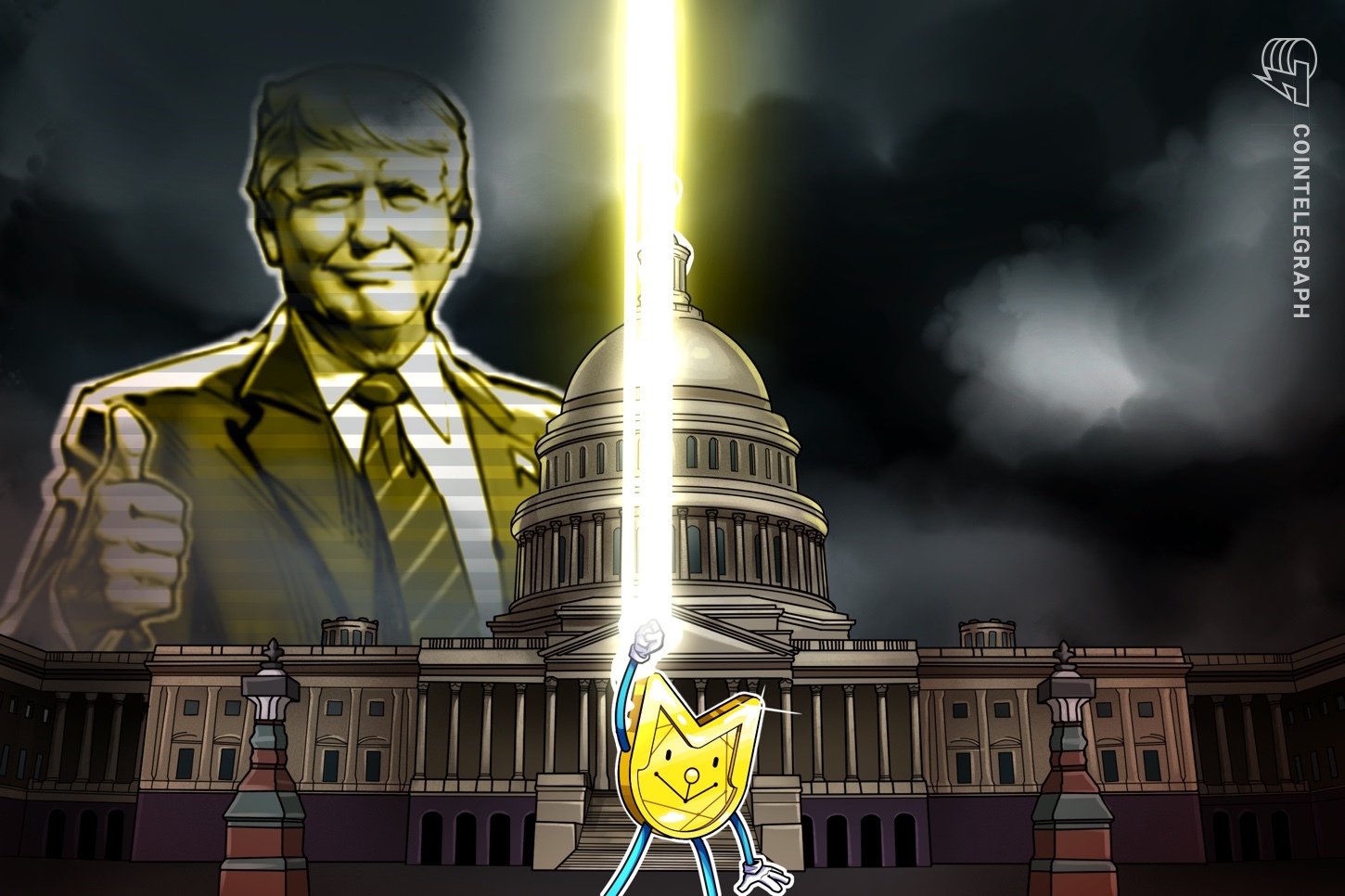
The US Senate, working late on 22 June 2026, passed a housing bill pitched at easing America's acute supply crunch and high costs — and used the vehicle to lock in something the Federal Reserve has barely begun to build. The package, as carried by Reuters in its 07:35 UTC wire on 23 June, ships with a four-year prohibition on the central bank issuing a digital dollar. The Fed itself, as CoinDesk noted in its 23:01 UTC bulletin the night before, has treated a central bank digital currency as little more than a research programme; the Senate has nevertheless moved to formally block the institution from going further.
The fusion is not accidental. Housing is one of the few domestic issues with the polling weight to clear a floor vote in an evenly divided chamber, and monetary architecture is one of the few issues that has grown more, not less, polarised in the last three years. Mashing them together gives both flanks of the party something to claim — supply-side reformers get a vehicle; digital-skeptic conservatives get a structural check on the central bank. The trade-off, lost in most of the early coverage, is that the bill's housing content and its monetary content are now negotiating partners rather than standalone policies.
What the bill actually does
The housing provisions, as described in Reuters' filing, are aimed at the supply side of the American market — zoning reform incentives, federal financing flexibilities, and a series of narrower provisions targeted at first-time buyers and rental construction. The press summary available to this publication does not enumerate every title in the package; what is clear from the wire is that the bill is being framed by its sponsors as a structural answer to a decade of underbuilding, not as a stimulus measure. That framing matters. Stimulus measures age quickly. Structural land-use and credit provisions, once enacted, compound.
The CBDC provision is the cleaner political signal. Crypto Briefing's 01:28 UTC dispatch on 23 June frames the ban as a direct constraint on the Fed's discretionary reach into retail payments. CoinDesk, filing nearly two hours earlier, reads it as a preemptive strike against a future the central bank has so far only studied. Both readings are defensible; both are also incomplete. The four-year window is long enough to outlast the current administration, short enough that the next one can revisit it. The bill does not unwind the Fed's existing research function; it draws a line at issuance.
The politics of the vehicle
There is a temptation, in the early coverage, to treat the housing bill as the story and the CBDC ban as the footnote. That reading gets the direction of pressure wrong. Housing bills pass on the merits of housing; CBDC bans pass on the merits of central-bank trust, which in 2026 is being remade in real time by stablecoins, payment-rails consolidation, and the visible failures of legacy supervisory regimes. The provision's presence in a must-pass vehicle tells you something the standalone vote never could: that an anti-CBDC consensus has reached the threshold where it can attach to anything with momentum.
This is the structural story the wire frames will tend to underplay. Digital-dollar scepticism has been climbing in both parties for three years, and it is now paired with scepticism about the institutional capacity to manage whatever replaces the existing payments stack. The Senate's choice to write the prohibition into housing legislation rather than into a freestanding financial-services bill suggests its authors read that coalition as durable.
The Fed's room to manoeuvre
The Federal Reserve, for its part, has not been publicly lobbying for a digital dollar in the present cycle. The institution's own research papers, repeatedly cited by CoinDesk, treat the question as exploratory. The Senate's prohibition therefore constrains a scenario rather than a programme. That is politically useful and substantively narrow: it removes one option from the Fed's shelf without changing the institution's existing toolkit or its supervisory footprint.
What it does change is the competitive geometry. The United States is now, on the statutory book, legislatively behind several peer jurisdictions in central-bank-issued digital money. China is operating its digital yuan at retail scale across major cities. The European Central Bank has moved its digital euro from preparation to a defined issuance track. The Bank of England has consulted publicly on a retail CBDC. None of those trajectories is reversed by a US prohibition; what is reversed is the symmetry. When the next cross-border payments question arises, the United States will arrive at the table having legislated against the domestic instrument its peers have chosen.
Stakes and what to watch
The immediate political stake is whether the House accepts the Senate's bundled product or strips the CBDC provision back out. The structural stake is whether this is the high-water mark of central-bank-issuance scepticism or the first of several wedges. The four-year window suggests the authors expect to revisit the question; it does not suggest they expect to settle it.
For housing policy specifically, the risk is that the CBDC fight draws oxygen away from the underbuilding question the bill is nominally designed to address. The two provisions have different coalitions, different timelines, and different lobby profiles. Bundling them into one vehicle maximises political pass probability and minimises legislative scrutiny of either component. That is a familiar Washington trade. Whether the resulting policy is worth the trade-off depends on outcomes that will not be legible until well after the bill, if it becomes law, has been in force for several fiscal years.
What remains genuinely uncertain — and where the sources disagree most visibly — is whether the housing provisions will survive conference in a form that materially loosens supply, or whether the CBDC prohibition will become the bill's load-bearing element in the public mind, with the housing measures treated as the legislative price paid to get it through. The early wire frames are split on which reading they privilege. This publication finds the second reading more consistent with how bundled legislation tends to be remembered.
Desk note: Monexus ran the Senate's dual-track move against the early wire framing. The housing provisions are getting more column-inches than the CBDC prohibition, but the prohibition is doing more political work — and a four-year statutorily enforced ban is a meaningfully larger event than the housing adjustments the bill is carrying.
Wire provenance
This editorial synthesis draws on the following public wire/social posts:
- http://reut.rs/4uRT2i8
- http://reut.rs/4uRT2i8