Bosnia edge Qatar 3-2 to keep World Cup knockout hopes alive
A 3-2 win in Arlington keeps Bosnia-Herzegovina in the hunt for a best-third-place berth at the expanded 48-team World Cup, while Qatar's tournament effectively ends.
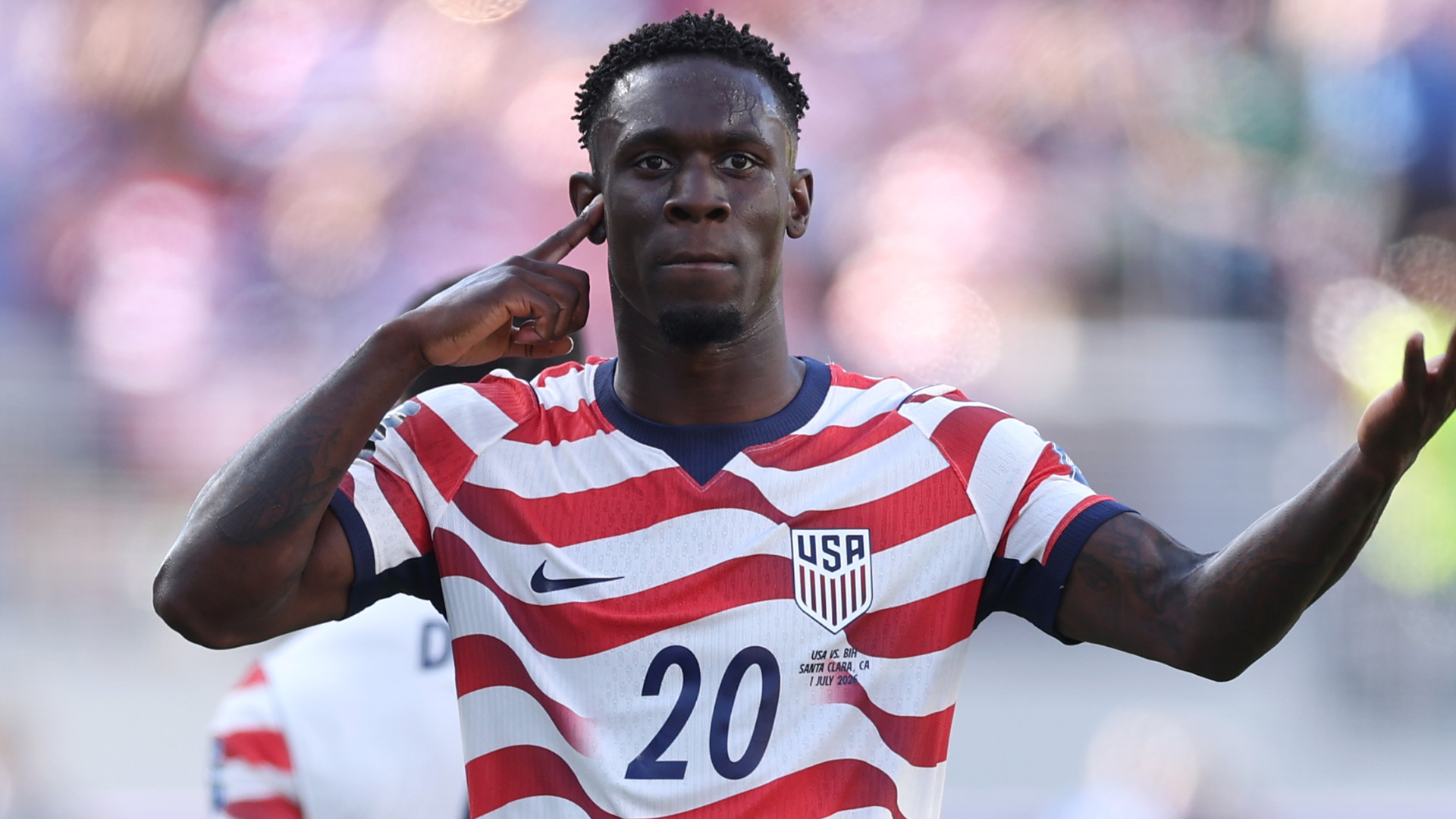
Bosnia-Herzegovina stayed alive at the 2026 World Cup on Tuesday evening with a 3-2 victory over Qatar in Arlington, a result that leaves the European side in position to chase one of the eight best third-placed tickets into the round of 32. Al Jazeera's breaking-news feed had the final score logged at 21:47 UTC; France 24's match report followed at 21:13 UTC with a longer read on a dominant Bosnian performance. The lineups had been confirmed roughly three and a half hours earlier, with both FIFA's official channel and The Athletic's tournament feed posting identical team sheets at 18:22 UTC.
For a Bosnia-Herzegovina side playing in only the country's second World Cup, the result matters less for the scoreline than for the arithmetic. The 2026 tournament is the first staged under the 48-team, three-groups-per-pool format, and the path out of the group no longer runs only through the top two. Eight of the twelve third-placed sides will advance, a structural change that has re-priced the value of every goal and every point in the closing fixtures. Bosnia's three points, combined with goal difference, put them inside the live band of third-place contenders with a game to spare.
How Bosnia won it
France 24's report characterises the performance as dominant, the language a wire service uses when shot counts and territory point one way even if the scoreboard tightens late. A two-goal cushion is the kind of lead that lets a side manage a tournament fixture; a 3-2 final, settled rather than scrambled, reads as control. Qatar, the 2022 hosts, were widely written off coming into this tournament cycle, and a group-stage exit against Bosnia would confirm the trajectory. The Maroons' consolation goals narrow the defeat but do not change the bracket reality: with the group stage running short, Qatar's goal difference is the wrong side of useful.
What the format change actually does
The expanded World Cup is the single biggest structural variable in play here, and it deserves the plain-language treatment. Under the old 32-team, eight-group format, two sides advanced from each pool and the rest went home. Under the 48-team, twelve-group format, the top two still go through, plus eight of the twelve third-placed teams — a 32-team knockout field. For a Bosnia-Herzegovina side that on paper belongs in the second tier of European football, that extra door is the entire reason Tuesday's win keeps a tournament alive that older versions of the format would already have ended. France 24's framing — that Bosnia "boost knockout hopes" — is not a euphemism; it is the literal mechanism of the new competition.
This is also the format that produces stranger scorelines in stranger places. Teams that would once have been eliminated with a single loss now chase third place with a goal-difference tiebreaker. Coaches who once protected a 1-0 lead now push for a third goal that would have been cosmetic. Bosnia's 3-2 is exactly the kind of result the rule-makers built the new format to produce: a side that is good but not great, staying alive past the point its 2014 or 2018 equivalents would have gone home.
The Qatar angle, briefly
For Qatar, the tournament ends in the group stage for the second consecutive cycle, a fact that the Gulf state's football federation will have to absorb in a longer reckoning than a single match report. The 2022 hosting gave Qatar a decade of infrastructure and a permanent seat at the senior-tournament table; the on-pitch product has not yet matched the off-pitch investment. The wire copy from France 24 and Al Jazeera does not dwell on the structural question, and neither should this piece — but the fact that both a 2022 host and a European side outside the traditional top tier are playing for a best-third-place finish is itself a story about how the sport's economics and the tournament's expansion now meet.
What we do not yet know
The thread inputs are match-result wires, not features. They do not name the goalscorers, the minute marks, the venue's attendance figure, or the disciplinary record. They do not say whether Bosnia's goal difference is now positive, zero, or negative — the figure that will actually decide whether a best-third-place berth is realistic when the final group games conclude. A reader looking for the line of the group table will need to wait for the next FIFA update. This publication will revisit the third-place picture once the final matchday closes.
Desk note: Monexus framed this as a structural story about the 48-team format doing the work it was designed to do, rather than as a single-match upset. The wires led on result and qualification arithmetic; the analysis here extends that to the rule change that makes the result matter in the first place.
Wire provenance
This editorial synthesis draws on the following public wire/social posts:
- https://t.me/FIFAcom
- https://t.me/TheAthletic