Hormuz toll theatrics expose the limits of pressure-point diplomacy
A 60-day Hormuz toll threat is being wielded by both Washington and Tehran as leverage. The dispute is small; the theatre around it is large — and reveals how narrow the negotiating lane has become.
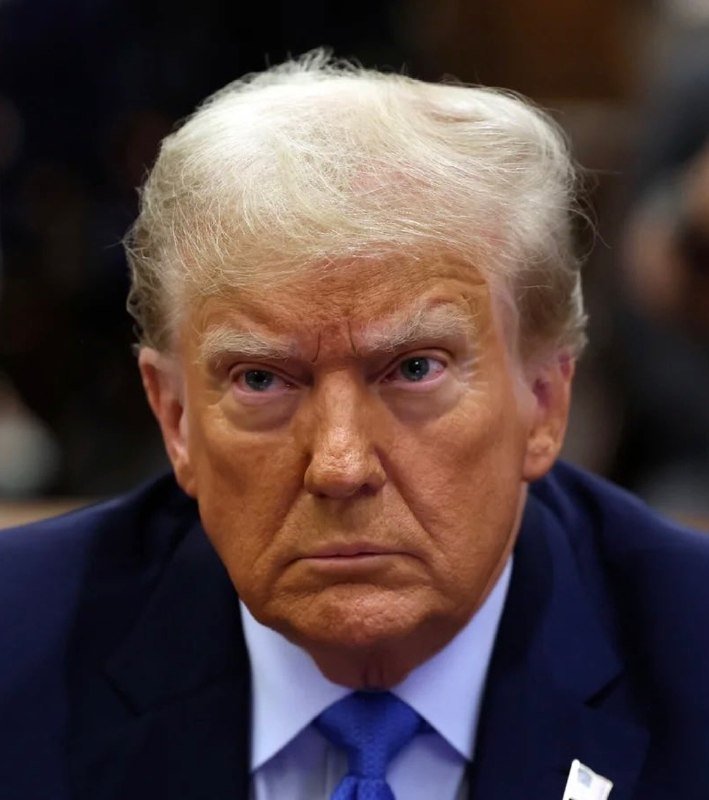
On 24 June 2026, two parallel messages hit the same Telegram channels within minutes of each other. President Donald Trump warned that the United States would halt negotiations if Iran was found to be levying transit fees on shipping through the Strait of Hormuz. Within the hour, Iran-linked accounts pushed back: Tehran had already informed Washington it would not collect any such toll during the 60 days following the signing of the memorandum of understanding. The gap between the warning and the rebuttal is the story. It is also the diplomacy.
The argument matters because Hormuz is the world's most consequential energy chokepoint. Roughly a fifth of global oil consumption passes through it daily. Even the threat of disruption moves prices; actual disruption moves budgets. When Washington and Tehran duel over whether a toll will or will not be charged in a 60-day window, they are arguing about the price of negotiation itself.
What Trump actually said, and what Tehran says it told him
According to messages posted to the abualiexpress and englishabuali Telegram channels at 12:24 and 12:29 UTC on 24 June, Trump framed any Iranian transit levy as a negotiating violation. The English-language account quoted him as saying Iran is "desperately in need of food," with the additional framing that released funds — presumably referring to frozen Iranian assets unfrozen as part of the deal — should be understood as leverage, not concession. The Iran-aligned channels pushed the counter-narrative in the same window: that Tehran had already notified the US side that no tolls would be collected during the 60-day post-signing period. The whole exchange, in other words, amounts to a public argument over whether a thing has happened that one side says it has not.
This is a familiar pattern in pressure-point diplomacy: each party needs a public trigger that lets the other walk away without losing face. Trump's red line is the toll. Tehran's defence is that the red line is not being crossed. Both versions of events let the principals keep the table standing while signalling to domestic audiences that they are not softening.
The structural problem: a deal this thin has nothing left to flex
The argument is small because the underlying deal is small. A 60-day toll moratorium is not a settlement — it is a pause. It freezes the most visible irritant while leaving the architecture of sanctions, the fate of enriched material stockpiles, and the regional security envelope untouched. Once both sides have spent their most theatrical moves, what remains is hard structural disagreement over enrichment capacity, missile programmes, and the regional order. A toll threat, real or invented, is one of the few remaining levers either side can pull without walking away.
The deeper issue is that the US-Iran track is now operating on parallel communications tracks. The American messaging goes through Trump's own social channels, then via outlets that pick them up. The Iranian messaging comes through state-adjacent and analyst networks on Telegram, often in English, calibrated for Western wire pick-up. Neither side is talking to a neutral intermediary in public view. The 60-day window is therefore not just a moratorium on tolls; it is a moratorium on a real diplomatic channel.
What the dispute is actually about
Strip away the toll question and the argument is about who blinks first on the cost of keeping the deal alive. Tehran's messaging emphasises the unfreezing of funds and food-security needs, signalling that the Iranian public will be the judge of whether the deal has delivered economically. Trump's messaging emphasises the toll red line and the food aid framing, signalling that any visible Iranian revenue-extraction in the chokepoint will be treated as a violation. Both narratives treat the Strait itself as a bargaining chip rather than a piece of shared infrastructure. The toll disagreement is the visible edge of a much larger asymmetry: Iran needs the sanctions relief to function, the United States needs the non-proliferation outcome to declare a win, and neither side can be seen to be the one paying for it.
Stakes and a forward view
If the 60-day window closes without a deeper settlement, the most likely outcome is escalation in slow motion: more red lines, more rebuttals on Telegram, and a market that has learned to discount the rhetoric. The structural risk is that an actual incident — a tanker boarding, a fee collection, a warning shot — arrives before the diplomatic scaffolding is rebuilt. The Strait is too important for that to be a comfortable bet. The Hormuz toll dispute is not a crisis; it is a warning that the room for managing the next one is shrinking.
The unresolved piece, for now, is the toll itself. The sources do not agree on whether Iran has in fact signalled it will levy one after the 60-day window. Tehran-aligned channels say the question is settled for the duration of the moratorium; the warning from Washington presumes it is not. Until that gap closes — or widens — the only honest read is that both sides are buying time, and the price of that time is paid in the credibility of any red line either side chooses to draw next.
This publication framed the dispute as a bargaining-stage performance rather than a substantive policy disagreement, in contrast to wire coverage that has tended to treat each individual Trump statement as a fresh escalation.
Wire provenance
This editorial synthesis draws on the following public wire/social posts:
- https://t.me/englishabuali/1234
- https://t.me/abualiexpress/5678
- https://t.me/englishabuali/1235
- https://t.me/abualiexpress/5679
- https://t.me/englishabuali/1236