Tehran Says Yes, Inspectors Say Wait: The Curious Geometry of the New Iran–US Talks
Tehran has signalled willingness to talk directly to Washington, while flatly denying the IAEA access to damaged nuclear sites. Both moves landed on the same Tuesday — and the contradiction is the point.
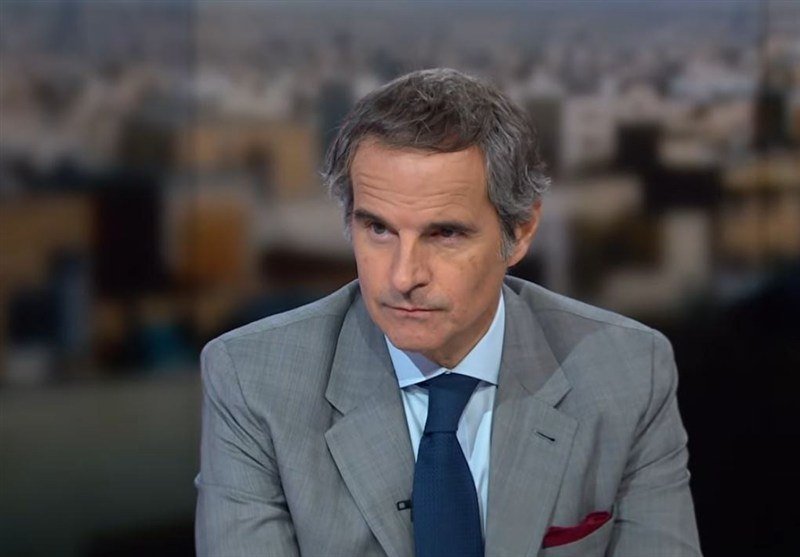
Two messages from Tehran landed within an hour of each other on Tuesday, 24 June 2026, and they pull in opposite directions. Mojtaba Khamenei has approved direct talks between Iran and the United States, opening a new phase in negotiations despite his stated reservations about the eventual agreement. Iran is also denying, in the same news cycle, that it has any plan to allow International Atomic Energy Agency inspectors into its damaged nuclear facilities. The first round of the direct channel is expected to begin shortly, according to OSINTdefender reporting on 18:09 UTC.
The temptation is to read these as two separate stories. They are not. They are the same negotiation, performed in two keys for two different audiences.
What Tehran is conceding — and to whom
The decision to sit across from Washington, and to do so through a channel blessed by the supreme confidant rather than routed through intermediaries, is a concession the Islamic Republic spent two decades refusing. Direct talks with the United States were for years treated inside the Iranian system as a humiliation risk. To authorise them now — even with public caveats about the final deal — is to acknowledge that the old posture no longer pays for itself. The economic strain of sanctions, the cost of rebuilding damaged nuclear infrastructure, and the narrowing of Iran's regional position since the 12-day war have all pushed the cost of non-engagement above the cost of engagement.
The audience for this concession is domestic but plural. The hardline base gets Khamenei's reservations, packaged as vigilance. The bazaar class gets the prospect of relief. The negotiating team in Tehran gets room.
Why the IAEA door stays shut
Refusing IAEA access to damaged sites, on the same day, is the price the regime is charging for the engagement. Inspectors inside facilities that have been struck give outside powers a forensic record of what was there, what was lost, and what is being rebuilt. The Islamic Republic's strategic interest in ambiguity about its nuclear status did not disappear with the start of talks; if anything, ambiguity is the asset being traded. By denying access while offering dialogue, Tehran signals that engagement is conditional on the United States accepting that some questions about Iran's nuclear past will not be answered in any forum the West controls.
This is the same logic that shaped Iran's posture in the JCPOA years: maximum diplomatic presence, minimum verifiable constraint.
The Western read — and the structural counter
The dominant Western framing treats the pair of announcements as a good-cop/bad-cop routine, with Tehran performing openness to dialogue while stonewalling inspectors. There is truth in that read, but it is not the whole story. A counter-reading, given equal weight: the United States also benefits from ambiguity. A fully inspected Iranian programme would force a binary choice — accept it, or strike again — and the American domestic political coalition for another strike is thin. Letting Tehran keep some fog in its nuclear status is, from Washington's vantage, a way of deferring that choice while claiming forward motion.
The structural frame is older than this news cycle. For four decades, the United States and Iran have run a managed non-relationship: deep hostility at the rhetorical surface, quiet technical engagement underneath, with sanctions functioning as a foreign-policy instrument that never quite closes. The 24 June announcements fit that pattern rather than breaking it.
What remains unresolved
The OSINTdefender reporting that anchors this article does not specify the venue, the agenda, or the level of delegation for the direct channel. It does not name the counterpart on the US side, nor does it clarify whether the IAEA denial covers all damaged sites or a subset. Whether the talks are an Iranian initiative, a Qatari- or Omani-brokered opening, or a US-led re-engagement also remains to be confirmed in the primary wire. The same reporting does not indicate whether Iran's denials are coordinated with the negotiating track or a parallel hardline veto. Until those details are corroborated against Reuters, AP, or Axios reporting, this column treats both announcements as signals of intent, not as a settled diplomatic architecture.
The most plausible trajectory: a partial deal on enrichment caps and sanctions unwinding, with the IAEA question parked in a working group that meets on a slower clock. The Iranian public will be told the negotiators won. The American public will be told the inspectors won. Neither will be exactly wrong, and neither will be exactly right. That is the geometry of managed non-relationships — and the signals from Tehran on 24 June 2026, read honestly, point straight at it.
This publication read the OSINTdefender thread as a single negotiation performed in two registers, not two unrelated stories; the wire will likely file the IAEA denial and the talks approval as separate items, which is technically correct and structurally misleading.
Wire provenance
This editorial synthesis draws on the following public wire/social posts:
- https://t.me/s/osintdefender
- https://t.me/s/OSINTdefender
- https://t.me/s/OSINTdefender
- https://t.me/s/osintdefender
Follow the event.
These dated source records provide context. They do not retrospectively verify this archive article.
Separate what the nuclear watchdog reported from what it could not determine after the June 2025 strikes.