NFL declines Sorsby's supplemental bid, leaving Texas Tech QB in limbo
The league has decided not to hold a supplemental draft in 2026, ending Brendan Sorsby's path to the NFL this season after a gambling scandal cut short his college career at Texas Tech.
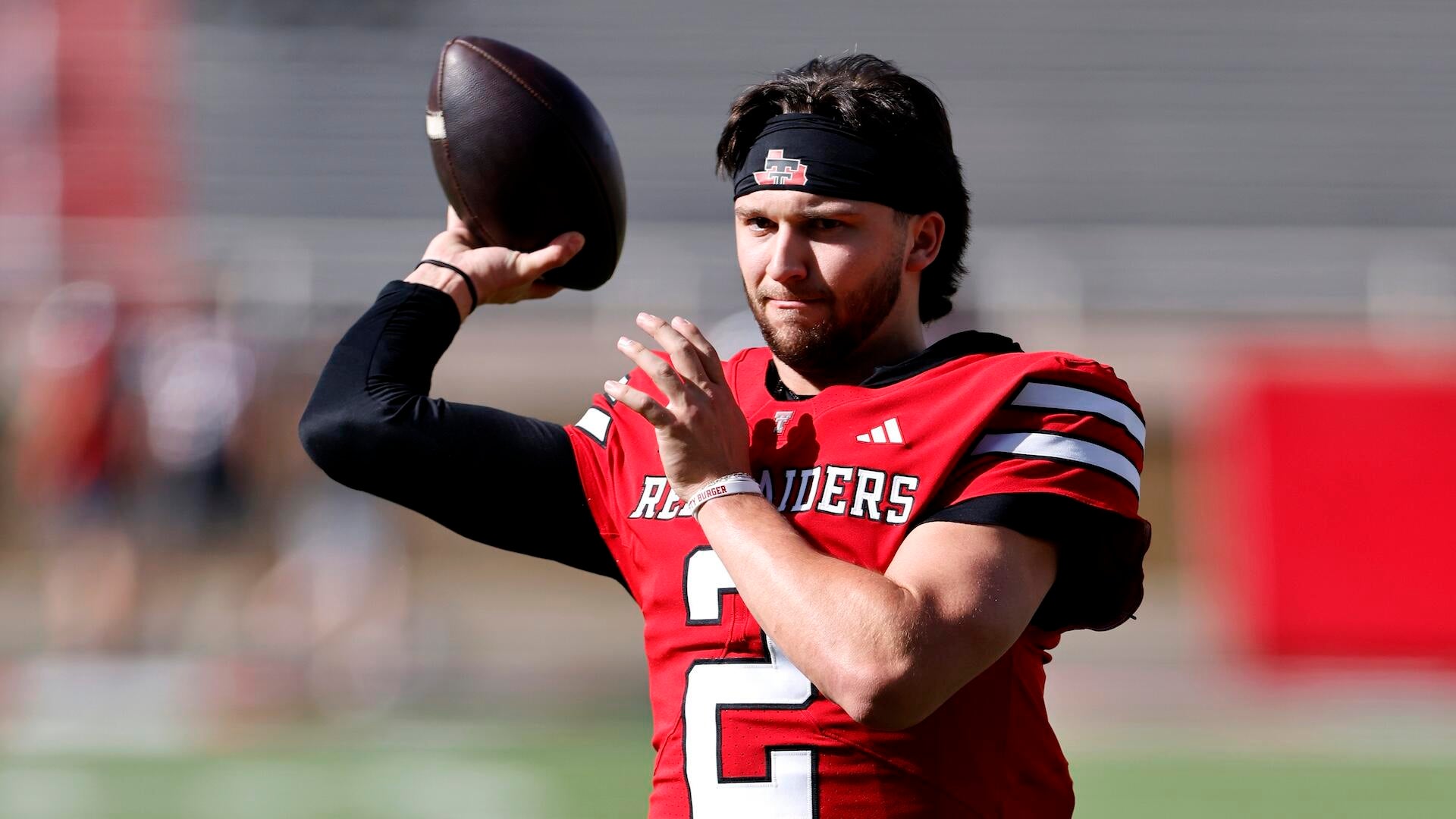
The NFL will not hold a supplemental draft in 2026, the league confirmed on 23 June, a decision that effectively freezes Texas Tech quarterback Brendan Sorsby's hopes of reaching professional football this season. The application window for underclassmen and players whose college eligibility has ended has now closed without Sorsby's case advancing.
Sorsby had been pursuing the supplemental route after a gambling scandal ended his college career. The supplemental draft exists precisely for cases like his — players whose circumstances change mid-year and who cannot wait for the following April's regular selection. The league's choice not to convene one this year leaves him with few realistic options for the 2026 cycle.
The decision, and what it does
Supplemental drafts are not automatic. The league convenes one only when applications from prospective entrants cross a threshold of league-determined merit. On 23 June 2026, that threshold was not met for 2026, and the league declined to schedule a draft. The practical effect: any player who needed a mid-year entry point will wait until the 2027 NFL Draft, or attempt to latch on as an undrafted free agent when training camps open.
For Sorsby, the calculus is more pointed. He was not a normal underclassman declaring early; he was a player whose college tenure had already been cut short. The supplemental draft was the only mechanism calibrated to handle that situation within the same calendar year.
Why Sorsby, specifically
Sorsby transferred into the Texas Tech programme as one of the more high-profile quarterback moves of the recent cycle, with NFL front-office talent evaluators treating him as a potential starter-level prospect. The problem was never arm strength or processing speed. It was the off-field ledger. Reports circulating on 23 June characterised front-office views of Sorsby as a player whose talent placed him in starter conversation, but whose gambling-related college episode pushed his draft range well below the second round — a sharp gap between ceiling and floor for any team weighing a supplemental bid.
That gap is the structural reason the supplemental route was always going to be uphill. A team willing to use a supplemental pick accepts a thinner evaluation window, less leverage in negotiations, and the visibility cost of selecting a player whose off-field issues are recent and well-documented. The economic incentives simply do not align for clubs to bid aggressively on a prospect whose market value, in a normal April draft, would sit somewhere in the middle rounds rather than at the top.
The wider supplemental landscape
The supplemental draft has been a small but recurring feature of the league calendar — used in 2023, skipped in other recent years. Skipping a year is not unusual. What is unusual is a high-profile candidate whose case forces a public conversation about how the league handles athletes whose college careers end outside the normal amateur-to-professional pipeline. By declining to convene a draft at all, the league has avoided setting a precedent for Sorsby's specific facts while also signalling that the bar for 2026 supplemental applications was not reached.
The competing reads of the same facts are easy to lay out. One is that the league acted on the merits: no application cleared the threshold, and the rules worked as written. Another is that Sorsby's profile — talented enough to attract interest, troubled enough to give teams pause — sits exactly in the zone where the supplemental mechanism is most useful and most awkward, and the league preferred not to test it this year. Both readings are consistent with the same announcement.
Stakes and what comes next
For Sorsby, the short-term arithmetic is unforgiving. Without a 2026 supplemental draft, his professional options reduce to: declaring for the 2027 NFL Draft, attempting an undrafted free-agent path once camps open, or continuing to rehabilitate his off-field profile in the hope that the market re-rates him. None of those routes is closed; none is open in 2026.
For the league, the decision is low-cost. Supplemental drafts are a small administrative event; skipping one does not interrupt the main off-season calendar. But the optics matter. A league that markets itself on second chances has, in this case, declined to provide one — not because the rules barred it, but because the application never crossed the line required to convene the process at all.
What remains genuinely uncertain is whether the underlying application was withdrawn, denied on staff review, or simply never reached the volume the league required. The publicly available reporting on 23 June addresses the outcome — no 2026 supplemental draft — without disclosing which of those paths was taken. Monexus will update if the league publishes a procedural explanation or if Sorsby's representatives clarify his next move.
Desk note: Wire coverage on 23 June framed the story as a single-player setback. Monexus reads it as a structural test of a mechanism the league rarely uses — a high-profile case that exposed both the limited appetite of clubs to bid on a troubled-but-talented prospect and the procedural discretion the league retains in deciding whether to convene a supplemental draft at all.