Barbara Chan, Hong Kong actress of a generation, remembered by sons at 62
The actress whose on-screen presence defined a Cantonese film era has died in Hong Kong, with her sons leading tributes that emphasise family over fame.
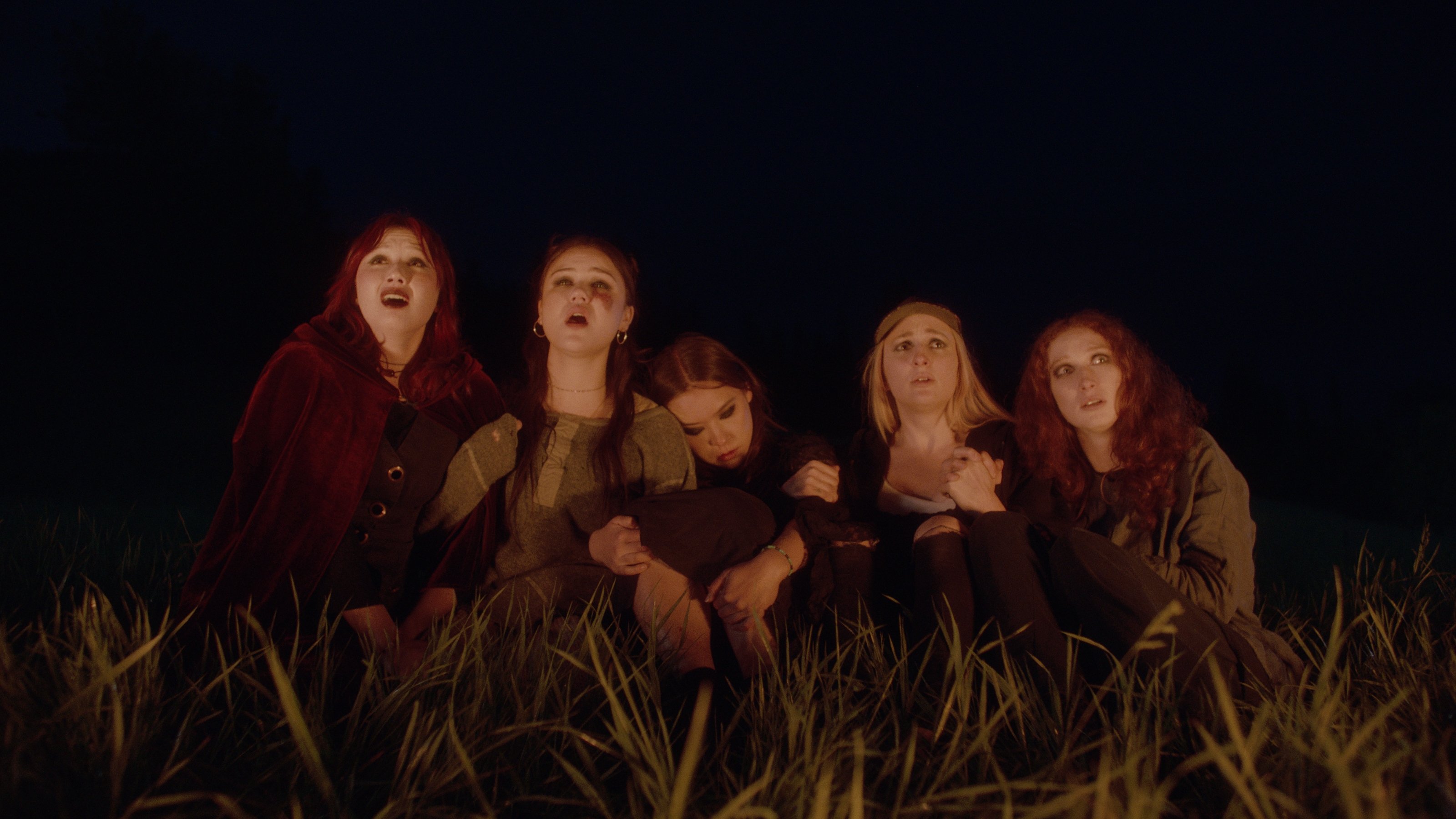
Barbara Chan, the Hong Kong actress whose career traversed the final decades of Cantonese studio-era cinema and the rise of the city's pop-culture industry, died on 25 June 2026, according to a South China Morning Post report published the same day. She was 62.
Her two sons led the tributes, framing their mother's legacy in the language of family rather than celebrity. The South China Morning Post account, drawing on statements released to the paper, said the sons described her as a figure of "unconditional love" whose off-screen presence shaped them more than her on-screen roles shaped her audiences. The phrase captures a recurring register in Chinese-language celebrity tributes, where the bereaved often choose intimate vocabulary over professional eulogy — a contrast with the studio press-release conventions that long governed the industry she worked in.
A career bookended by Hong Kong's cinema moment
Chan emerged in an industry that, by the time of her early professional roles, was already confronting the structural pressures that would define the next two decades: the gradual contraction of Cantonese-language studio production, the eastward migration of capital and talent into Mandarin-market co-productions, and the post-handover recalibration of the city's cultural industries. The South China Morning Post obituary situates her working life across that arc without naming specific titles, a notable editorial choice in a field where catalogues of credits usually anchor a remembrance. The paper attributes this restraint to the family's request for privacy during the mourning period.
The decision to publish a tribute without an annotated filmography is itself a story. Hong Kong's entertainment press has long treated the career catalogue as the foundational unit of a performer's legacy — the resume of titles, awards, and box-office results that lets a reader situate a name inside the industry. The Chan family's framing, mediated through SCMP's newsroom, inverts that convention. The sons are the named protagonists of the piece; the actress's work is the backdrop. For a city whose tabloid economy has long traded on the private lives of its performers, the inversion is mild but visible.
Reading the tributes against the wire
Two readings of the coverage compete. The first treats the SCMP obituary as straightforward remembrance journalism: a death, a family's grief, a record of a working life. The South China Morning Post is, in this reading, doing what it does — reporting a Hong Kong death with cultural resonance and giving the bereaved the framing they asked for.
A second reading notes what is absent. The paper does not name the cause of death, does not specify the date of death beyond the publication date of 25 June 2026, and does not enumerate the specific films, television series, or recordings that defined Chan's career. Each of these is a routine feature of comparable obituaries in the same paper's archive. The omissions may reflect the family's preferences, the paper's editorial judgement, or a combination. They leave the reader with a portrait of a person rather than a catalogue of a career — which may be exactly what was requested, and which, for outside readers trying to map her onto Hong Kong's film and music history, leaves a partial record.
A wider context: how Hong Kong remembers its performers
The structural pattern here is the increasing privatisation of celebrity remembrance in the city. Where once the studio system, broadcasters, and trade press collectively produced the official record of a performer's career — the press kit, the trade-paper obituary, the industry award in memoriam — that work has, over the past two decades, migrated toward family statements and selectively curated social media posts. The South China Morning Post, as the English-language outlet of record for Hong Kong, increasingly finds itself the conduit rather than the author of these tributes.
This shift has a parallel in the broader transformation of the city's cultural industries. The studio structures that produced the Cantonese-language film and television pipeline have consolidated, contracted, or pivoted toward streaming-era co-productions with mainland and regional partners. The trade press has thinned. The institutional memory of who worked on what, when, and alongside whom now lives unevenly — in archives that are partially digitised, in oral histories that are partially recorded, in family-held materials that may or may not reach the public record. Obituaries of performers from Chan's generation are therefore not just personal memorials; they are also acts of archival reconstruction, with all the gaps that implies.
Stakes, and what the record does not yet contain
For readers inside Hong Kong's cultural industries, the immediate question is whether the fuller record — a filmography, a chronology of television and recording work, an account of the rooms she worked in — will be assembled in the coming weeks, either by the family, by trade publications, or by industry bodies. The South China Morning Post's choice to lead with the sons' tributes, and to defer the catalogue, makes that subsequent work more rather than less consequential: it will be the piece that situates Chan inside the industry, rather than inside her family.
For outside readers, the picture that survives the 25 June 2026 coverage is a portrait of a working Hong Kong actress of approximately four decades, mother of two sons, remembered for warmth rather than stardom. The professional record, when it arrives, will tell the rest. Until then, the public version of Barbara Chan is, by her family's evident preference, the version at home.
— Monexus framed this obituary as a family-led tribute, foregrounding the sons' statements as the primary source material rather than reconstructing a filmography the sources do not provide.