IRGC Quds Force chief issues fresh ultimatum to Israel as Lebanon ceasefire comes under fresh strain
As CENTCOM launched a second wave of strikes inside Iran and Israeli jets hit southern Lebanon a day after the Washington framework was signed, the IRGC's warning shots in the Strait of Hormuz reframed the moment as a calibrated political signal, not a prelude to all-out war.
Sources
[1] [2026-06-27T21:51] Telegram, TheCradleMedia: "US Central Command (CENTCOM) Statement: US Central Command (CENTCOM) forces conducted additional strikes against multiple targets in Iran, June 27, at the Commander in Chief's direction." https://t.me/TheCradleMedia
[2] [2026-06-27T22:13] X, sprinterpress: "The IRGC's naval forces fired warning shots towards the offending vessels in the Strait of Hormuz. This explains the sounds of explosions that were heard in the city of Sirik and on the island of Qeshm." https://x.com/sprinterpress
[3] [2026-06-27T23:29] Telegram, DDGeopolitics: "Trump just threatened to 'complete the job' militarily and end the Islamic Republic of Iran entirely, claiming Iran 'violated the ceasefire again.'" https://t.me/DDGeopolitics
[4] [2026-06-27T23:59] X, middleeasteye: "Lebanon and Israel have agreed to a deal as part of a trilateral framework with the US in Washington on Friday, following five rounds of talks hosted by US President Donald Trump's administration." https://www.middleeasteye.net/live/live-us-and-iran-confirm-p
[5] [2026-06-27T22:01] X, middleeasteye: "Lebanese President Joseph Aoun says US President Donald Trump has reaffirmed Washington's support for a Lebanon-Israel ceasefire agreement." https://www.middleeasteye.net/live/live-us-and-iran-confirm-p
[6] [2026-06-27T23:19] Telegram, wfwitness: "The following towns and villages remain off-limits to residents under the new framework agreement until Hezbollah and armed Palestinian factions are disarmed: Al-Bayada, Shamaa, Majdal Zun, Al-Mansuri." https://t.me/wfwitness
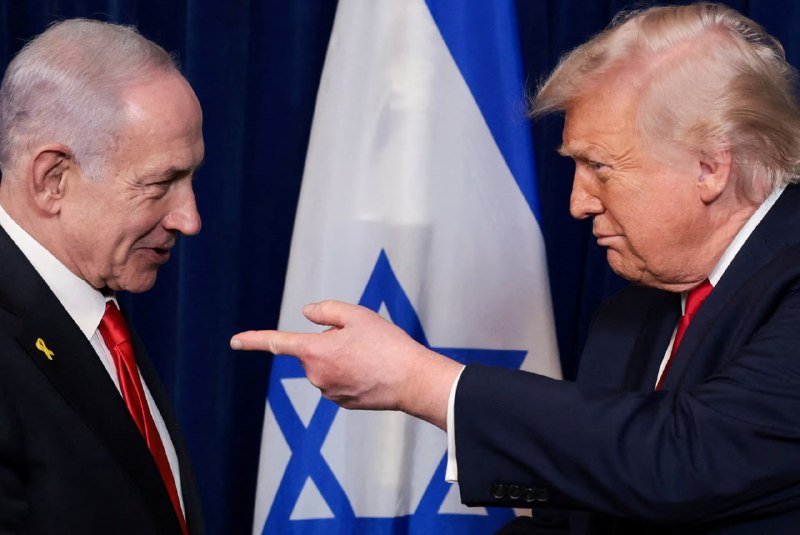
[7] [2026-06-27T22:42] Telegram, osintlive: "Netanyahu on Lebanon: 'Israel remains in the yellow security zone, which ensures our security and this is a huge achievement. Huge! They tried in every way and with all kinds of pre…'" https://t.me/osintlive
[8] [2026-06-27T23:01] Telegram, FarsNewsInt: "Netanyahu: We will do whatever we want in Lebanon. The Prime Minister of the Zionist regime Benjamin Netanyahu spoke proudly after the agreement between this regime and Lebanon." https://t.me/FarsNewsInt
[9] [2026-06-27T22:14] X, middleeasteye: "Israeli Prime Minister Benjamin Netanyahu said in a statement on Saturday that, between the sea and the Jordan River, there is no room for two states." https://www.middleeasteye.net/live/live-us-and-iran-confirm-p
[10] [2026-06-27T22:38] Telegram, BBCWorldoffl: "Israel strikes southern Lebanon as Hezbollah condemns new deal. Strikes have killed at least one person, state media say a day after Lebanon and Israel signed a framework agreement." https://t.me/BBCWorldoffl
[11] [2026-06-27T22:30] Telegram, presstv: "Ansarullah: Lebanon-Israel framework agreement meant to destroy resistance. A senior member of Yemen's Ansarullah resistance movement has categorically dismissed the US-sponsored framework agreement between the government…" https://t.me/presstv
[12] [2026-06-27T22:16] X, middleeasteye: "Iranian media have reported explosions near the Strait of Hormuz after the US military said it launched fresh attacks on Iran." https://www.middleeasteye.net/live/live-us-and-iran-confirm-p
[13] [2026-06-27T23:42] Telegram, osintlive: "U.S. President Donald J. Trump confirmed U.S. Central Command's announcement of additional strikes on Iran. President Trump has said that Iran's targeting of commercial shipping in the Strait of Hormuz is a…" https://t.me/osintlive
Desk note: Monexus frames this as a diplomatic stress-test of overlapping ceasefire architecture, not as a unilateral Iranian escalation. The wire cycle has tended to treat Tehran's warnings and the IRGC's maritime signals as automatic escalatory moves; the more useful read is that they are political artefacts produced for multiple audiences, intended to shape the terms under which the next round of violations, in Lebanon and in the Strait, will be interpreted.
Follow the event.
These dated source records provide context. They do not retrospectively verify this archive article.
Separate what the nuclear watchdog reported from what it could not determine after the June 2025 strikes.