MLB owners push salary cap in CBA proposal; union calls it a clampdown on player rights
A new MLB collective bargaining proposal ties a higher minimum wage to a hard salary cap and tighter free-agency rules. The players' association says the league is using a labour giveaway to buy restrictions.
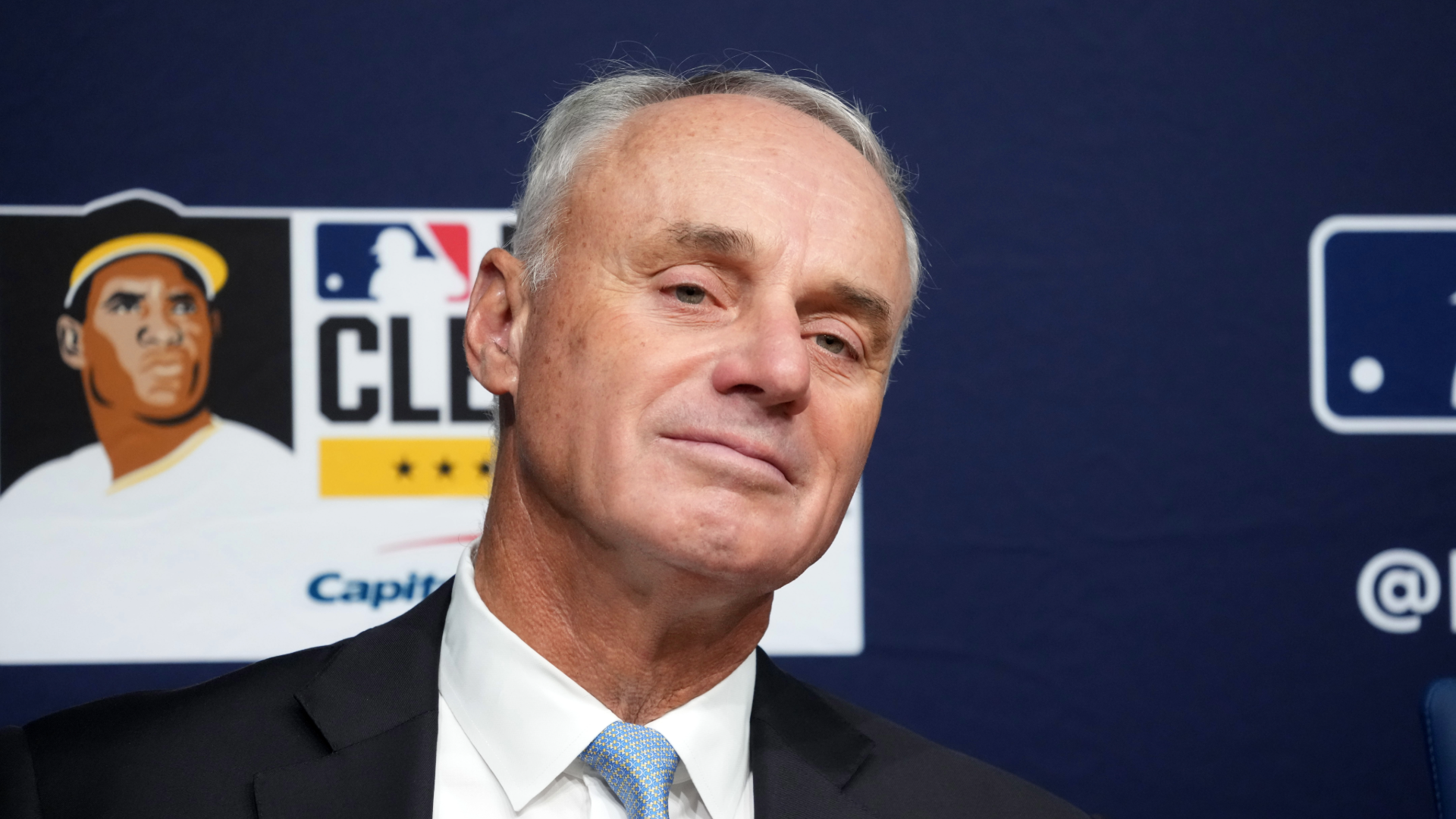
Major League Baseball's owners put a formal collective-bargaining proposal on the table on 25 June 2026 that would raise the league minimum wage but only in exchange for a hard salary cap and a fresh set of restrictions on free-agent contracts. The Major League Baseball Players Association responded within hours, accusing ownership of dressing up a pay increase as cover for what the union called "a litany of additional restrictions on player rights." The exchange sets up the most consequential labour fight the sport has seen since the 1994 strike, and it lands with the current CBA already in its final year.
The proposal, as the union read it, is less a wage negotiation than a structural rewrite. The headline item — a minimum-wage increase, the precise figure not disclosed publicly in the documents the union circulated — comes bundled with a salary cap that the union says would function as a de facto ceiling on payroll, and with new rules shortening the path to free agency in some respects while tightening qualifying-offer and contract-length limits in others. Players see the package as a concession traded for a clampdown: a few million more for the bottom of the roster in return for capped earning power at the top.
What the league is actually asking for
According to the CBS Sports reporting that surfaced the proposal on 25 June 2026, the league's package links three things: a higher minimum salary, a team-wide salary cap, and a set of changes to free-agent eligibility and contract structure that the union characterises as restricting player movement. Owners have argued in past rounds of bargaining that competitive-balance concerns — small-market clubs losing stars in free agency — justify mechanisms that pool or constrain revenue. The salary cap is the central instrument of that argument, and it is the part the union has historically refused. Whether the minimum-wage bump is large enough to shift the players' internal politics on the cap is the question that will define the next twelve months of negotiation.
The union's counter-message is blunt. In its member-facing summary, the MLBPA accused the league of introducing "a litany of additional restrictions on player rights" — language that signals the players are treating this proposal as a single bundle, not a menu. That posture matters because it pre-empts the owners' likely public strategy of floating individual items — the cap, the contract rules, the qualifying offer — and asking why the union won't negotiate on each in turn.
Why the union reads it as a rollback
The players' association has a structural position that runs deeper than this proposal. Free agency is the single biggest pay-setting mechanism in the sport for players who reach it, and any change that delays it, narrows the pool of bidders, or caps the contract length compresses the upper tail of the salary distribution. Owners frame those rules as anti-collusion provisions; players frame the same rules as the very mechanism of collusion.
The cap, separately, is what the MLBPA has spent four decades refusing. The argument, made in the union's own communications and in commentary from player representatives, is straightforward: a hard cap transfers risk from ownership to labour and concentrates roster-construction power in the front office. In a sport without one, revenue distribution is uneven but upside is uncapped, and that distinction is the players' central economic claim.
What stays out of the public framing
Neither side has disclosed the minimum-wage number the league is offering, the cap level, or the specific contract-length limits. That opacity is itself a tactic — it lets ownership argue that the proposal is generous without letting analysts run the math on whether the new rules would, in aggregate, reduce the share of league revenue going to players. Until those figures are public, the debate is being conducted on framing rather than on arithmetic, and the union's decision to lead with the word "restrictions" is designed to set the frame before the numbers do.
A second open question is timing. The current CBA expires after the 2026 season, and the league has used the threat of a lockout in past negotiations as leverage. Whether this proposal is the opening position or the league's best and final offer will determine whether talks are a months-long negotiation or a months-long stalemate.
The stakes
If a cap lands, the players' share of league revenue becomes a function of cap growth rather than of market bidding, and the decade-long trend of escalating top-end contracts would likely flatten. If the union holds and the cap is dropped, the league's competitive-balance argument loses its most powerful policy lever, and owners will need to find another mechanism — revenue sharing, a luxury-tax escalation, a draft overhaul — to address small-market grievances. The minimum-wage raise, whichever way the negotiation ends, will likely survive; the cap is the contested heart of the deal, and the union's language on 25 June signals it intends to fight the cap on principle, not on price.
Desk note: Wire coverage led with the proposal's headline items — minimum wage, cap, free-agent rules — and the union's pushback, which is the framing Monexus carried. The harder analytical work, on what the cap would do to the player-revenue share, is not yet possible because the league has not released the cap figure.