Bielsa's Uruguay on the brink: a World Cup in slow collapse
Two years after Bielsa restored pride in Montevideo, La Celeste head into a make-or-break World Cup group stage. The patterns that broke them in qualifying are visible again.
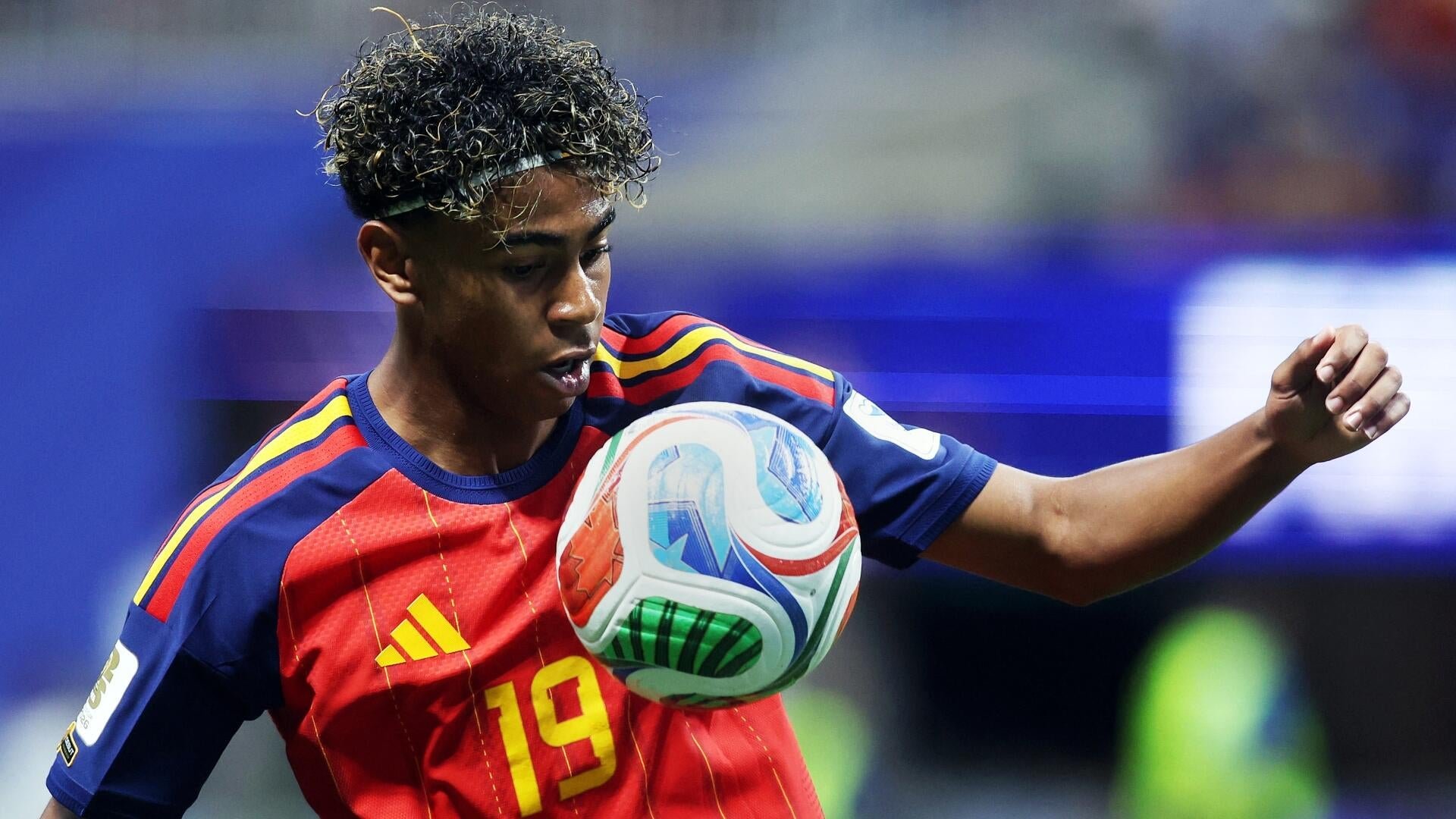
Uruguay's 2026 World Cup has begun the way their qualifying campaign ended: in fragments. On 26 June 2026, with the group stage approaching its decisive matches, the BBC's football desk posed a question the Celeste's travelling support can no longer avoid — where, exactly, has it gone wrong for Marcelo Bielsa's side? (BBC Sport, 26 June 2026, 14:31 UTC).
The honest answer is that the warning signs did not arrive in North America. They were there in the qualifying rounds, when a team that finished third at the 2024 Copa América and pushed Colombia to the brink in the semi-final slowly leaked results through the second half of 2025. What was striking then, and what is striking now, is the shape of the decline: not a string of heavy defeats, but a slow erosion of control in midfield, an ageing spine, and a reluctance to evolve the high line that once defined Bielsa's first months in charge.
A team caught between generations
The structural problem is demographic before it is tactical. Uruguay's 2022 World Cup squad in Qatar — Godín, Cavani, Suárez, Valverde in his first flush — is four years older. The next wave (Rocha, Araújo, the Liverpool-linked青年的青 in midfield) is promising but raw. Bielsa inherited a side that could still press for ninety minutes; he is now coaching a side whose engine runs hot for sixty.
The BBC's reporting identifies a recurring pattern: Bielsa's preferred 4-2-3-1 demands full-backs who invert and centre-backs who step into midfield. When Uruguay won the Copa América quarter-final against Brazil on penalties in July 2024, that shape suffocated the opposition. In recent qualifiers, the same shape left a corridor the width of the penalty area that opponents exploited routinely.
There is a counter-reading worth taking seriously. Uruguay's qualifying group was the hardest in CONMEBOL. The Celeste took points off Argentina, beat Brazil away in Montevideo, and only missed automatic qualification on goal difference. The framing of "collapse" flatters the noise around the team and ignores that they finished above Colombia, Chile and Peru. The question is not whether Uruguay are bad; it is whether the ceiling Bielsa built two years ago is now visibly lower than the floor this squad needs.
The Bielsa variable
No analysis of the current side can avoid the man on the touchline. Bielsa's tenure has been, by Uruguayan standards, unusually disruptive: he has cycled through more than forty players, regularly dropped senior figures, and made enemies of the local press corps in ways that would have been career-ending for a domestic coach. The Argentine's contract reportedly runs through to the next Copa América.
Two competing reads of his tenure are now in circulation in Montevideo. The first — closer to the Bielsa camp — holds that the structural rebuild is on schedule, that the team played the best football of any Uruguayan side in a generation between 2023 and 2024, and that a tournament group stage is a small sample. The second — voiced more cautiously by former players in the Spanish-language press — is that Bielsa's man-management has frayed. Several senior players have reportedly clashed with his staff over selection and tactical instruction; at least one has not travelled to North America for family reasons, though neither the federation nor BBC reporting confirms the precise detail.
What the group stage actually requires
Uruguay's path through Group H — broadcast live on BBC and ITV across the United Kingdom, with the full schedule and kick-off times listed on the BBC's tournament page of 25 June 2026, 23:53 UTC — is unforgiving. Even a draw against the group's seeded side would leave them dependent on goal difference going into the third match.
The structural frame is familiar to anyone who has watched a Bielsa team age. The pressing triggers stay the same; the legs that once answered them do not. Opponents have learned to draw Uruguay forward and play through the channel rather than around it. The tactical adjustment — dropping the line five metres, conceding territory in exchange for midfield density — is one Bielsa has historically refused. Whether he makes it in North America is the only question that matters now.
Stakes
If Uruguay go out at the group stage, the federation faces a choice it has not had to make since the late 2000s: whether the Bielsa project survives the result, or whether it is the result that survives Bielsa. The sporting risk is a lost generation of mid-career players — Valverde, Núñez, Araújo — for whom 2026 should have been a peak tournament. The political risk is a federation in a transition year, with a presidential election inside the AUF scheduled for late 2026 and a sponsors' bench that has historically pulled funding when the national team disappoints.
What remains genuinely uncertain is the diagnosis the coaching staff will accept. The BBC's reporting flags a dressing room that is not, on available evidence, in open revolt. It is also not, on the same evidence, in the disciplined unison that defined Bielsa's first year. Between those two states, a World Cup group stage will not leave much room.
How Monexus framed this: the wire covered the Bielsa question tactically; the structural read — a squad in demographic transition caught between an ideological coach and a calendar that no longer fits him — is the angle this publication is leading with.