Dembélé hat trick caps a statement win for France as Norway's Haaland watches from the bench
A clinical French attack, missing Norway's marquee striker, delivered the result group-stage watchers wanted — and raised sharper questions about Haaland's fitness timeline.
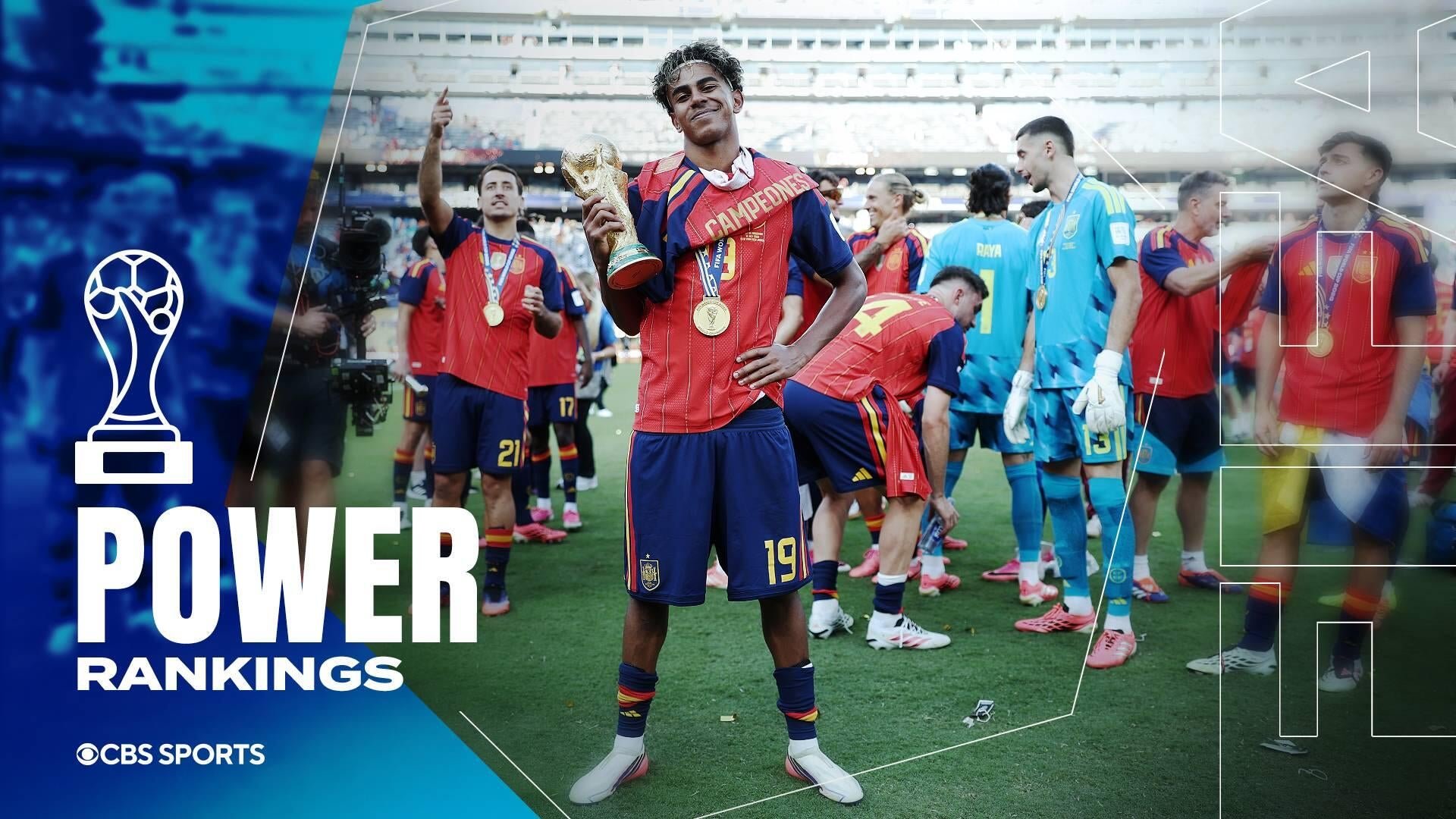
France's group-stage dossier gained a loud new chapter on Friday, 26 June 2026, as Ousmane Dembélé completed a hat trick against a Haaland-less Norway in a match that ended as a statement win for the holder of the European qualifying mantle. The result, confirmed in ESPN's 22:00 UTC wrap of the day, settles one half of a marquee Friday double-header that also featured Spain versus Uruguay, and it does so with the particular cruelty that elite football reserves for sides missing a single decisive figure. Norway, the neutrals' favourite of the tournament's opening weeks, were without Erling Haaland from the opening whistle, with ESPN's live coverage from 19:52 UTC noting the Manchester City striker on the bench rather than in the starting XI.
That absence mattered, but it did not decide the match on its own. What decided it was the breadth of the French attacking supply line — and the willingness of Dembélé, operating with the kind of central authority that has too often flickered rather than burned in his international career, to finish the chances his teammates kept producing. France's group, widely read as the soft centre of the bracket on paper, has spent the last week refuting that assumption in matches against a deep, organised Norwegian side. Friday was the louder refutation.
The result and the lineup question
ESPN's live wire put Haaland on the bench ahead of kick-off, framing the evening's tactical story before a ball was kicked: Norway's plan would either build around their absent striker or accept a flatter, less vertically threatening shape. The decision to start him on the pine — rather than risk a partial fitness return — points to a Norwegian staff that has decided this group stage is a runway, not a finish line. For France, it presented a target-rich environment that the holders exploited.
Dembélé's hat trick, the headline number of the night, came inside a French performance that owed as much to a composed midfield base as to individual brilliance. Kylian Mbappé, pictured in pre-tournament Imagn imagery circulated by CBS Sports, was the gravitational reference point Norway's defenders had to track — and the space that attention created is where France's second and third goals originated. This is the structural argument the match makes, beyond the scoreline: France do not need one forward to carry them. They have at least three.
What the betting market saw first
Friday's 26 June slate had been circled in the betting-industry calendar for weeks, and the marketing around it tells its own story. CBS Sports pushed a DraftKings promotion offering $200 in bonus bets after a $5 wager, with a mirror BetMGM offer worth up to $1,500 in bonus bets if the first wager lost — both flagged specifically for the Spain-Uruguay and France-Norway fixtures. SportsLine's projection team had published picks, odds and predictions for both matches earlier in the day, with a dedicated parlay breakdown for the Norway-France and Uruguay-Spain legs.
That market machinery is not colour, it is signal. When U.S. sportsbooks are paying above their baseline rate to attract money on a European group-stage fixture — and specifically targeting the two matches on Friday's card — the price being offered reflects the same uncertainty the broadcast cameras were hiding. France's win, in that frame, was not a foregone conclusion. It was the favourite's job done, and the margin of the hat trick is what made the result feel definitive rather than routine.
The structural read: depth beats stardom, until it doesn't
The interesting question the match poses is the one World Cups always pose at this stage: does a side with a generational striker (Norway, with Haaland) survive an injury cycle against a side with a deep, interchangeable forward line (France)? The answer on Friday was no — but the sample is small, and Norway retain the variable that makes them dangerous in any knockout round.
There is also the question of Norway's broader tournament arc. Friday's result does not eliminate them; it complicates them. Group-stage exits decided on goal difference are a particular cruelty of the format, and the Haaland fitness question now becomes the dominant Norwegian storyline for the next 72 hours — whether he starts the next fixture, whether the staff treat the group as a sprint or a marathon, and whether the tactical identity built around him survives a tournament where he is a part-time participant rather than the centre of gravity. France, by contrast, walk into the next round having answered the only question anyone was asking of them: yes, they can win without Mbappé having to be the single decisive figure.
What remains uncertain
The reporting available going into press does not specify the precise minute-by-minute scoring sequence of Dembélé's three goals, nor whether Haaland entered as a substitute at any point. The thread of U.S. coverage from ESPN and CBS Sports treats the result as confirmed and the lineup as settled, but the fine grain of the match — the tactical adjustments at half-time, the workload data on Norway's defence — sits inside broadcast footage rather than the text wires Monexus is working from. Readers looking for those details will find them in extended highlights, not in this column.
The other open question is the bracket implication. With Spain-Uruguay playing in the same Friday window, the group table will only fully resolve once both matches are logged. A French win paired with a Spain win would leave the bracket in its most predictable shape; a Spanish slip would re-open the conversations the betting market had been pricing in for weeks. Either way, Friday was the day the favourites stopped pretending this tournament was going to be complicated for them.
Desk note: Monexus frames this as a depth-versus-stardom test rather than a "Norway without Haaland" story; the betting-market signal and the broadcast signal both pointed to a result, not an upset.