The Early Glimpses: What Messi and Bellingham Looked Like Before the World Cup Stage
ESPN's oral-history project gathers the coaches, opponents and youth teammates who saw Lionel Messi and Jude Bellingham before the spotlight arrived — and finds a familiar pattern of quiet, early certainty.
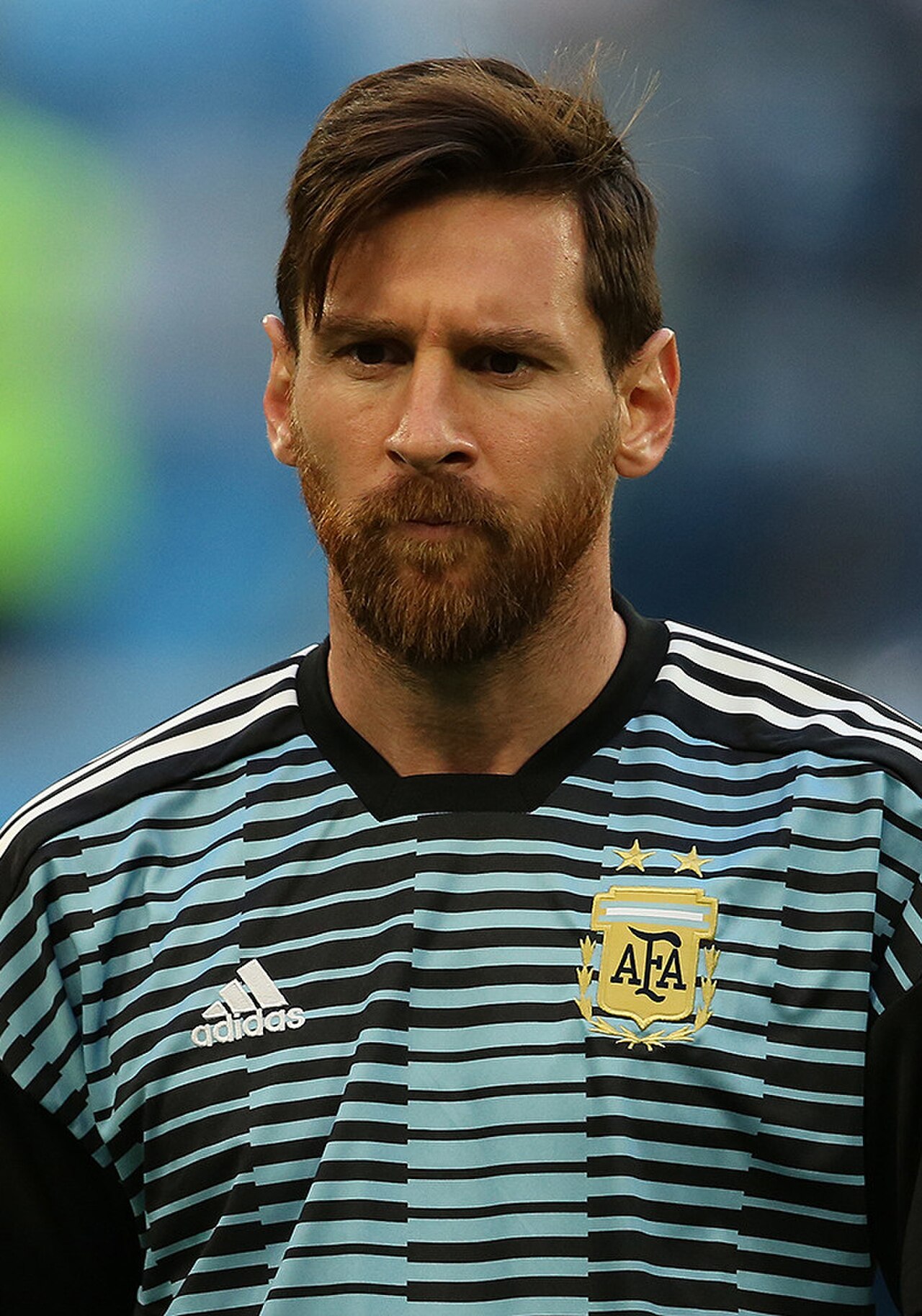
On 26 June 2026, ESPN published an oral-history feature gathering the people who first coached, marked or stood across from Lionel Messi and Jude Bellingham — two of the headline acts of a World Cup cycle that has spent most of the year treating their every touch as an event. The conceit is simple: before the global stage made them untouchable, the people in the room saw something earlier and quieter. The accounts, taken together, suggest that football's prodigies rarely arrive without warning. The warning signs are just usually filed under "good kid, technically gifted" until they aren't.
The thread running through both careers is less about supernatural talent than about an unusual capacity to absorb pressure at a young age — and an early habit of solving problems on the pitch that older players around them had stopped trying to solve.
The Messi tapes
ESPN's feature leans heavily on early-career voices from Barcelona's La Masia system and the Argentine youth setup. The pattern they describe is consistent: a small, left-footed teenager whose first touch and decision speed were visibly ahead of the age-group curve, and whose response to physical and tactical pressure was to keep the ball closer. None of the interviewees claim to have predicted global superstardom; several flag the moment they realised Messi was a different category, almost always in low-stakes youth fixtures rather than showcase matches.
That detail matters. The dominant media framing of Messi's career treats the move to Barcelona's senior squad and the subsequent Ballon d'Or run as a single, clean arc. The oral history reintroduces friction: coaches who had to be talked into giving him minutes, Argentina staff who debated whether his frame could survive senior football, opponents from Under-20 tournaments who remember a player whose game had already matured past the scout-sheet categories available at the time.
The Bellingham reading
Bellingham's section functions as a useful counter-weight. The voices here — Birmingham City youth staff, former England age-group coaches, early Borussia Dortmund opponents — describe a player who arrived as physically imposing for his age as Messi was physically slight for his. The skill set looked different: a midfielder whose ball-striking and box-arrival timing read as Premier League-ready while he was still technically a schoolboy. The headline-grabbing move to Real Madrid looks, in retrospect, like the moment the scouting industry formally caught up to a player who had been on the radar for years.
What the Bellingham accounts add to the Messi ones is a contrast in development environment. Where the Argentine prodigy's path ran through a single academy with a settled playing identity, the Englishman's early years involved a Championship debut at sixteen, an overseas move at seventeen, and a senior national-team role inside two calendar years. Both routes produced a player capable of deciding a World Cup game; both produced that player faster than the institutions around them were prepared for.
The structure underneath
There is a media-economy story sitting underneath the human-interest one. Football's coverage cycle has spent two decades optimising for the breakout moment — the debut goal, the first trophy, the transfer-record headline — and the scouting and broadcast industries have reorganised around identifying those moments earlier. The result is a feedback loop in which a player who fits the prodigy profile generates coverage well before the wider public has seen them play, and the early coverage itself shapes expectations of how a "phenom" is supposed to behave on arrival.
ESPN's feature is, in that sense, also a piece about how the industry remembers its own correct calls. The interviewees are not randomly assembled — they are the voices whose early assessments of Messi and Bellingham have, in retrospect, aged best. The piece gives them the institutional credit the broader market has, belatedly, decided they are owed.
Stakes for the rest of the cycle
For the current World Cup cycle, the practical takeaway is modest but real. Two of the tournament's headline players got where they are not by accident and not in a vacuum; they got there because specific individuals in specific rooms made specific calls about them years before the broadcast cycle caught up. The remaining fixtures of the tournament will tell us how much of that early pattern still holds under the weight of a global audience that has already priced them in.
What the sources do not settle is whether the next Messi or Bellingham is currently being misclassified as a "good youth prospect" in some academy the mainstream cameras have not yet reached. They rarely are — but the people who recognised the current two say, almost uniformly, that they knew. That is the kind of certainty worth treating with care, not as gospel.
Desk note: Monexus has framed this as a media-economy story about how prodigies are recognised and remembered, rather than as a straight recap of two players' biographies. The oral-history format does the biographical work; the structural question is what the coverage cycle does with it.
Wire provenance
This editorial synthesis draws on the following public wire/social posts:
- https://en.wikipedia.org/wiki/Lionel_Messi
- https://en.wikipedia.org/wiki/Jude_Bellingham
- https://en.wikipedia.org/wiki/2026_FIFA_World_Cup