Russia's fuel panic: a Kremlin solution in search of a problem
Deputy PM Novak blames panic buyers for a 20–30% fuel surge and floats a diesel-export ban. The diagnosis is suspicious and the prescription is worse.
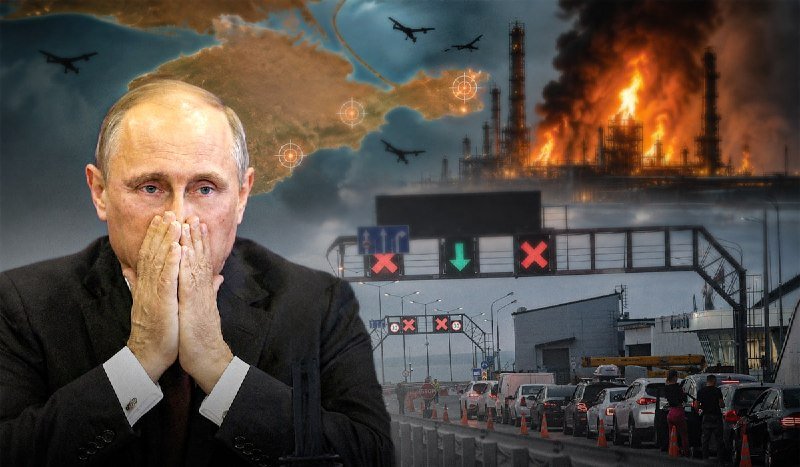
On the morning of 26 June 2026, Russia's Deputy Prime Minister Alexander Novak walked onto state television with a diagnosis and a prescription. Domestic fuel demand had jumped by what he called an "artificial" 20–30%, the country's diesel reserves were now "in abundance," and the appropriate response, he suggested, was a short-term export ban on diesel shipments to manufacturers — potentially for several months. Authorities were, in his telling, "reshaping fuel logistics" to cope with a market distorted by panic rather than scarcity (Noel Reports, 08:35 UTC, 26 June 2026; Euronews, 08:25 UTC, 26 June 2026).
Strip away the Kremlin-friendly framing and the picture is more troubling. When the world's second-largest diesel exporter says reserves are flush and then proposes banning its own exports, one of two things is happening. Either Russian production is genuinely fine and the state is intervening to manipulate domestic prices — a confession dressed up as a solution. Or production is not fine, reserves are not flush, and the "panic" story is the cover for a real shortage the government does not want to admit. Novak, by his own account, offered both explanations in the same broadcast.
Reading the diagnosis
Novak's preferred story is the cleaner one for a government allergic to admitting structural weakness. The framing goes like this: refineries are running, depots are full, but households, hauliers and agricultural buyers — remembering the 2023 fuel dislocation — rushed to stock up at the first sign of summer-price drift. That hoarding, not any real shortfall, drove the 20–30% spike (WarTranslated, 08:16 UTC, 26 June 2026; OSINTLive, 08:22 UTC, 26 June 2026). The implication is that calm heads and a brief state intervention will let the market clear.
That story has the virtue of being testable. If reserves really are abundant and demand is the problem, the export ban is a blunt instrument — punishing Russian refiners and foreign buyers to deter Russian households from filling jerry cans. It is the energy-policy equivalent of breaking a thermometer to cure a fever.
Reading the counter-story
The less comfortable reading sits closer to the ground. Wartime fuel logistics are not consumer-only. Russian refineries have spent much of the past two and a half years balancing attacks on domestic oil infrastructure, sanctions on Western equipment and insurance, and the constant pressure of servicing the war economy's diesel-intensive front lines. A "panic buying" wave that hits across the entire country in the same fortnight, with prices moving in lockstep at the wholesale level, is not how isolated retail hoarding presents. It is how logistics pinch-points present. Novak's own observation that "the logistics system" needs reshaping is, fairly read, an admission that the distribution network is the bottleneck — which is a supply problem wearing a demand costume (WarTranslated, 08:16 UTC, 26 June 2026).
A export ban solves neither version of the problem cleanly. If the issue is domestic hoarding, the answer is price signalling, not a state-imposed wall against external sales. If the issue is logistics, the answer is more rail tank-cars, more storage flexibility and faster turnarounds at refineries — none of which are announced in the same broadcast.
The structural frame
This is the recurring shape of wartime Russian commodity policy: tell the public the market is fine, then intervene in the market to keep it fine. The state owns the narrative and increasingly the price. The export-ban toolkit is the same one Moscow has reached for with grain, with fertiliser, with metals — each time framing the move as protective, each time quietly repricing the country's terms of trade. Diesel is no different. The risk for Moscow's trading partners, from Astana to Algiers, is that a "short-term" ban turns into the kind of chronic, informally-extended export regime that has already distorted Russian grain flows for two harvest cycles.
Stakes and what to watch
If Novak's framing holds, the export ban is the last hard step in a fuel-cycle that began with refinery disruption and ends with quiet normalisation by autumn. If the counter-story holds, this is the first hard step — a managed rationing dressed up as a temporary administrative tweak, with a second escalation likely in August when agricultural demand peaks. The Kremlin has a clear preference for which story the public hears. The market, which has seen this film before, will price both.
Desk note: this publication reads Novak's "panic buying" framing as the official diagnosis rather than the verified cause. The export-ban announcement, also sourced to the same official, is reported as proposed policy, not enacted — Russian-language reporting will be the leading indicator once the decree language appears.
Wire provenance
This editorial synthesis draws on the following public wire/social posts:
- https://t.me/noel_reports
- https://t.me/euronews
- https://t.me/osintlive
- https://t.me/wartranslated