At 44, Serena Williams returns to Wimbledon singles — and the question is whether the tour can keep up with her
Sky Sports' Gamechanger segment asks whether Serena Williams is brave or reckless to chase a Wimbledon singles title at 44. The more interesting question is what the women's tour looks like when she does.
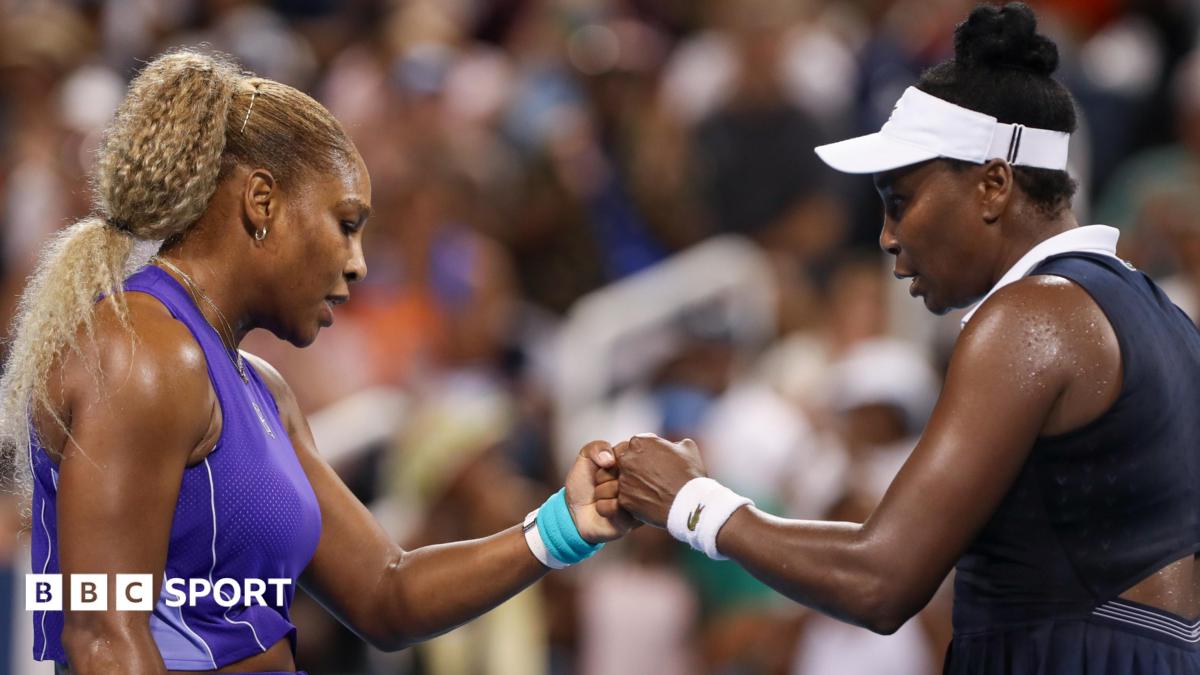
The question Sky Sports posed on the morning of 26 June 2026 was framed as a character study: is Serena Williams brave to chase a Wimbledon singles title at 44, having played only two doubles matches on the way back? The framing flatters the player and understates the sport. Williams is not a sentimental subplot on the 2026 grass. She is a structural variable, and her presence rewrites the field for everyone else.
What the tour is watching, in plain terms, is whether the most decorated player of her generation can convert a goodwill exhibition into a third-week run at the All England Club. The economics of women's tennis — title sponsorships, broadcast windows, social-media reach — are now unusually dependent on a single name appearing in the draw. That is a vulnerability the sport's organisers have never quite resolved, and a 44-year-old Williams has just made it visible again.
The shape of the comeback
Sky Sports' Gamechanger segment, aired on 26 June 2026, recast Williams' return as a story about longevity rather than odds. The piece noted that she has played only two doubles matches in the run-up to the Championships, framing the singles entry as a leap of faith rather than a fully-fledged competitive block. That description matters: it sets the baseline expectation for the field and the broadcast booth.
The honest reading is that the doubles were a controlled test, not a dress rehearsal. Two matches is enough to shake out the rust on return-of-serve and the split-step timing that grass punishes, and not enough to prove the shoulder or the movement holds for a best-of-three set against an in-form top-20 player. Williams' camp will have known that. So will her early-round opponents, who now have a tactical problem: prepare for a rusty version of a 23-time Grand Slam singles champion, or prepare for the version that won seven Wimbledon singles titles between 2002 and 2016.
Why the framing is upside down
The conventional reading treats Williams as the underdog. The numbers sit awkwardly with that. A player ranked outside the top 1,000 by tour metrics can still beat a top-20 opponent on grass if the serve is firing and the opponent's first-serve percentage dips below 60 per cent. Williams has done that to better players on worse surfaces than SW19's Centre Court. The structural read is the opposite of the Sky Sports framing: the field is on trial as much as she is.
This is also where the tour's commercial logic leaks into the sporting one. The Women's Tennis Association's broadcast partners — and Wimbledon as a separate, more conservative commercial entity — have built recent marketing campaigns around the Williams–Świątek–Sabalenka axis. A 44-year-old returning to singles at the third major of the year is not just a story; it is a redistribution of attention and, by extension, of sponsor interest away from the players who have held the spotlight for the last two seasons. Some of those players will not be happy about it, and the polite version of that unhappiness is the line about whether the comeback is "brave" or, more pointedly, whether it is fair.
What the tour has not solved
Women's tennis has a recurring problem that the men's tour does not: depth, or the perception of it. When Williams, her sister Venus, Maria Sharapova and a handful of other marquee names are in the draw, the second week sells itself. When they are not, the WTA's mid-tier events are left to carry the broadcast narrative on Świątek, Sabalenka, Coco Gauff, Jessica Pegula and a rotating cast of one-week wonders. The sport's governing bodies have spent a decade talking about depth and have not materially shifted the prize-money gap or the ranking points structure enough to change the storyline.
Williams' return is therefore a stress test. If she makes the second week, the tour gets the storyline it wants and the structural problem is hidden for another summer. If she bows out in round one to a qualifier ranked in the 80s, the story is harsher: that the gap between Williams at her best and the current top 10 is smaller than the marketing suggests, and that the tour's reliance on her name to sell tickets in London, New York and Cincinnati is, in commercial terms, an unmanaged risk.
The counter-narrative, stated fairly
The respectful counter-argument runs as follows. A 44-year-old returning from effectively a five-year layoff from singles — her last singles title came at the 2017 Australian Open, per the public record — is taking on a body of work her peers will not fully respect. Former tour players and a number of current coaches have argued, on record in the run-up to the Championships, that exhibition comebacks muddy the ranking ledger and devalue the work of players who have ground out 11 months a year to stay in the top 30. That critique has force. Williams is not walking into a vacant slot; she is walking into one earned by someone else.
The counter to the counter is that the All England Club, like the other three majors, controls its own wild cards. The decision to grant one to Williams was a commercial one, taken by a private members' club with a century-long record of doing what its committee thinks is best for the tournament. The players who object are, in a real sense, objecting to a governance choice, not to Williams personally. That distinction will get lost in the next two weeks, but it is the one that matters for how the sport is run from September onwards.
Stakes and what to watch
The near-term stakes are concrete. A second-week run for Williams would lift Wimbledon women's singles broadcast ratings and shift sponsor attention for the US hard-court swing. A first-round exit would do the opposite, and would probably harden a quiet conversation already happening among the WTA's player council about tightening the rules on tour-protected ranking entries and major wild cards. Either outcome resets the 2026 storyline in ways that the tour's marketing department will not have scripted.
The structural read is simpler than the broadcast takes suggest. A 44-year-old on the entry list is not the story. The story is what her presence reveals about the tour's commercial depth, the gap between its marquee names and its working professionals, and the choices its governing bodies have made about who gets the most valuable real estate in the sport. The draw comes out on Friday. The honest answer to Sky Sports' question — brave, reckless, or neither — will come from the third set of her first-round match, not from the studio.
This publication treats Williams' return as a structural event, not a nostalgia tour. The wires have led with character; Monexus is interested in what the field looks like when she is in it.
Wire provenance
This editorial synthesis draws on the following public wire/social posts:
- https://en.wikipedia.org/wiki/Serena_Williams_career_statistics
- https://en.wikipedia.org/wiki/Serena_Williams
- https://en.wikipedia.org/wiki/2017_Australian_Open_%E2%80%93_Women%27s_singles