Strait of Hormuz: a US strike on Iran and the framing fight that follows
On a single Sunday in late June 2026, the US struck Iran over a tanker drone attack, Iran hit Bahrain and Kuwait, and both sides claimed a ceasefire. The fight over the Strait of Hormuz is now a fight over who gets to name it.
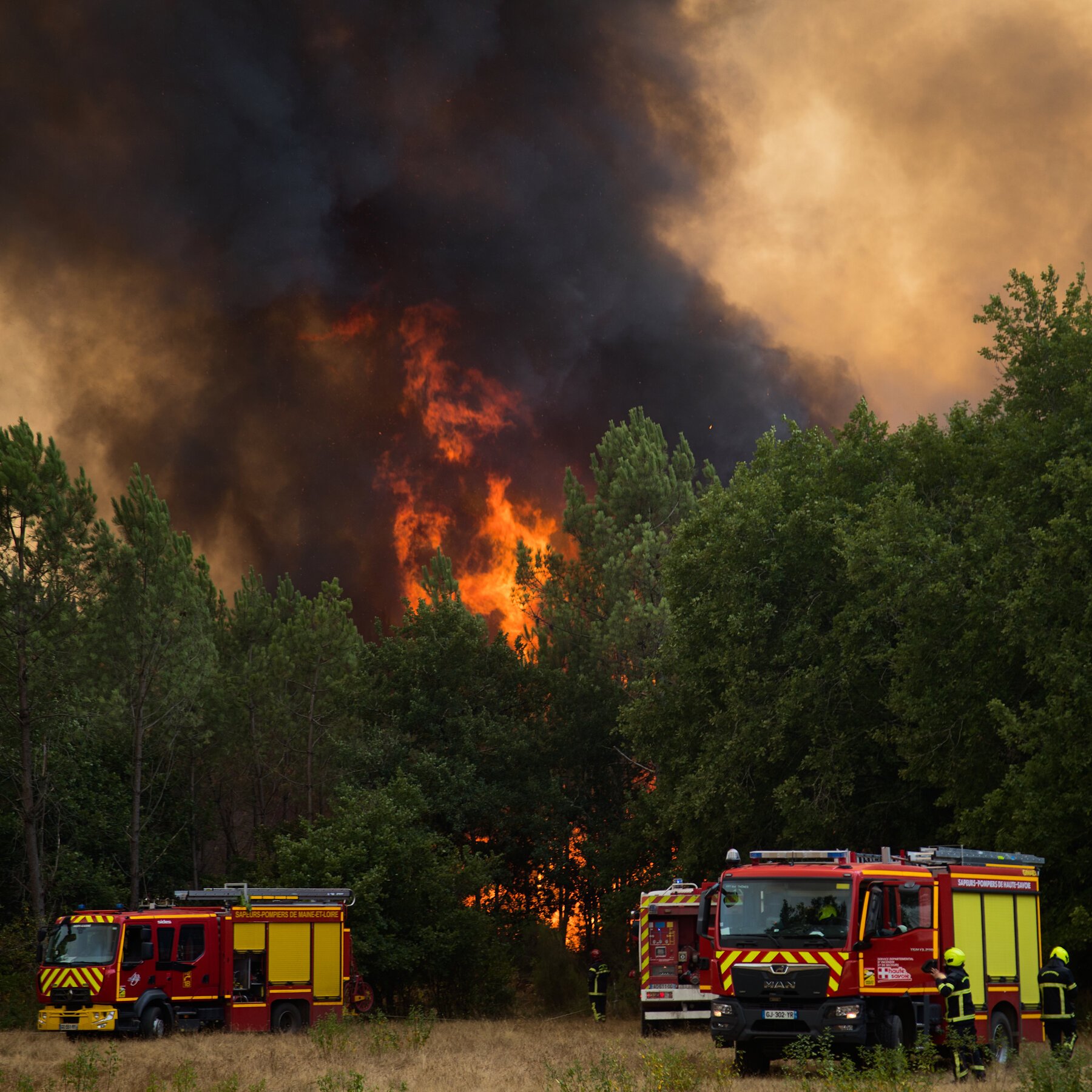
CENTCOM released footage on the night of 28 June 2026 showing what it described as fresh US strikes on Iranian military targets, retaliation for a drone attack on the tanker M/T Kiku. The same evening, Iranian Foreign Minister Abbas Araghchi told Iraqi President Abdul Latif Rashid in Baghdad that Iran alone would control the Strait of Hormuz for the next thirty days. By midnight UTC the two governments were on the edge of a war over a waterway that moves a fifth of the world's oil, and a parallel, quieter fight was already under way: who gets to name what just happened.
The tactical picture is a single, frantic Sunday. US strikes hit Iranian military infrastructure in response to the Kiku drone strike, per the CENTCOM video posted to X on 28 June. Iran retaliated with drone and missile attacks on Bahrain and Kuwait, France 24 reported, and threatened to halt negotiations and close the strait if Washington continued. Meanwhile, Axios cited a senior US official saying both sides had agreed to stop the kinetic activity and meet in Doha on Tuesday for technical talks on the strait dispute. The New York Times, via DDGeopolitics, said talks could come within days despite the exchange of blows. Iran's technical delegation, OSINTdefender noted via Telegram, failed to show up to scheduled talks, citing the US strikes as the reason.
The contradictory signals travel together. Axios reports a halt and a Doha meeting. Iran opens fire on two Gulf allies. Foreign Minister Araghchi promises Iranian control of the strait for thirty days, then sits down in Baghdad to discuss the Islamabad security memorandum with Iraq. Mehr News publishes shipping data showing June 2026 traffic through the strait still sharply depressed from a year earlier. The Strait of Hormuz, in other words, is being contested with words, with drones, with tankers, and with embargoed press releases, often within the same hour.
The framing fight starts the moment a strike is described. CENTCOM's chain of command is treated here as the primary factual basis for the US action, and for the characterisation of the Kiku incident that allegedly triggered it. The Iranian version, that Iran will not tolerate, in a public post by analyst S. M. Marandi, what he called Zionist occupation in Lebanon, or cede the strait, runs through Telegram channels, Fars News, Tasnim, and Al-Alam, and is at least openly visible. The problem for any reader trying to weigh the two is not that Iranian sources are absent, but that the official Iranian line is channeled almost entirely through state-aligned outlets whose English desks blend foreign ministry text, alliance signalling, and ideological boilerplate. Compare the CENTCOM footage, a single short clip with a stated cause, to the volume of Iranian state media output on 28 June: Araghchi in Baghdad, Tasnim's coverage of the Islamabad memorandum, a Hezbollah statement on Israeli ceasefire violations in Lebanon. The asymmetry is not Iranian silence; it is the difference in genre between a military video and a multi-track diplomatic broadcast.
Layered on top is a second asymmetry, this one about who gets to call what a ceasefire. The Axios-sourced deal to halt attacks was reported, denied by absence, and then reported again. Trump, the original draft flags, has characterised the situation as a ceasefire, but the term is Trump-attributed and the Iranian-language record does not, on the visible evidence, accept that framing. Iran's posture on 28 June, attack on Bahrain and Kuwait, refusal to send a technical team, thirty-day strait claim, reads as escalation-in-place rather than de-escalation. The "ceasefire" label therefore functions less as a description of facts on the water than as a US-side narrative preference, retroactively applied to events that were still unfolding when the words were used.
What to watch from here is narrow and dated. Tuesday in Doha is the first test: if Iran's technical delegation actually shows, the Axios version of the day holds. If not, the Marandi version, no ceding, no talks under bombardment, becomes the operating reality. Shipping through the strait is the second tell; Mehr's June 2026 numbers are already a useful baseline. And Bahrain and Kuwait, freshly inside Iran's strike envelope on Sunday, are the third: their posture in the Doha room will signal whether the Gulf is watching a bilateral crisis or being pulled into one.
Sources
- France 24, "Iran attacks Bahrain and Kuwait, threatens to halt talks after fresh US strikes," 28 June 2026, https://t.me/s/france24_en
- Telegram / DDGeopolitics, summary of New York Times report on possible US-Iran talks, 28 June 2026, https://t.me/s/DDGeopolitics
- Telegram / rnintel, Axios report on halt of attacks and Doha talks, 28 June 2026, https://t.me/s/rnintel
- Telegram / Al-Alam, Axios report on cessation of mutual attacks, 28 June 2026, https://t.me/s/alalamfa
- Telegram / DiscloseTV, CENTCOM video of US strikes on Iranian military targets, 28 June 2026, https://t.me/s/disclosetv
- Telegram / OSINTLIVE, Axios report on halt of reciprocal strikes in the Gulf, 28 June 2026, https://t.me/s/osintlive
- Telegram / Mehr News, shipping traffic statistics for the Strait of Hormuz, June 2026, https://t.me/s/mehrnews
- Telegram / JahanTasnim, Tehran-Baghdad security and counter-terrorism agreement, 28 June 2026, https://t.me/s/JahanTasnim
Desk note: Monexus treated the CENTCOM video and statement as the working factual basis for the US strike, flagged the Kiku incident as CENTCOM-attributed, and held the "ceasefire" label to its single named source. Iranian-state outlets are cited for Iranian claims only, with channel names attached.
Follow the event.
These dated source records provide context. They do not retrospectively verify this archive article.
Separate what the nuclear watchdog reported from what it could not determine after the June 2025 strikes.