USMNT's depth gets a stress test — and a mixed report card — as Pochettino turns to the World Cup knockouts
A second-string USMNT fell to Türkiye in a wet and scrappy send-off, but Pochettino's nine changes and Pulisic's quiet return told the real story: the squad competition is now closed.
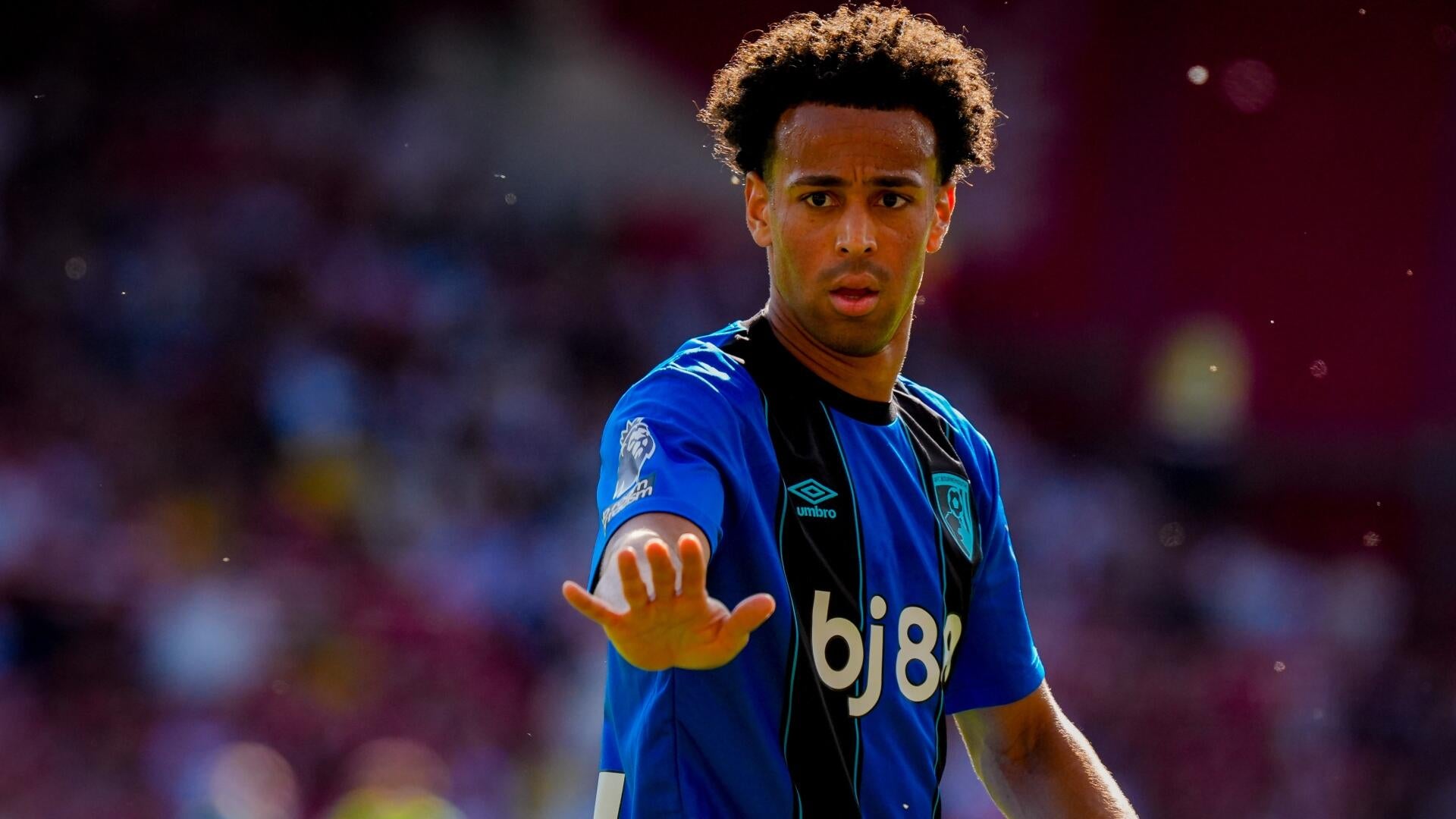
The United States men's national team closed its pre-knockout prep on Wednesday with a 2-1 defeat to Türkiye at Pratt & Whitney Stadium in East Hartford, Connecticut — a result that will not move the betting markets, but a performance that told Mauricio Pochettino exactly what he needed to know about the back end of his squad.
Pochettino made nine changes to the XI that beat the group's third-place finisher last weekend, the manager's clearest signal yet that the rotation debate is over. Christian Pulisic came off the bench for his first appearance since a calf issue kept him out of that previous outing. The captain's cameo — roughly half an hour, on a sodden pitch, against a Türkiye side that itself is preparing for a knockout date — was not a finale. It was a calibration. The real tournament starts now.
What the lineup told us
Nine changes is not a friendly in the charity-match sense of the word. It is a controlled experiment, and Pochettino ran it with the tournament in mind. The question he was answering was not "who starts against TBD" — that picture has hardened over the group stage — but "who is the first body in if a starter goes down." The answer, on this evidence, is: several of them, with varying degrees of confidence.
The first half was the part that will draw attention. Türkiye, organised by Vincenzo Montella and led up front by a forward line that pressed the US backline into rushed vertical passes, scored twice before the interval. The American midfield, with Tyler Adams absent and Weston McKennie rested, looked a step slow on second balls. Pulisic's introduction at the break coincided with a shift in shape and a noticeable increase in tempo, and Folarin Balogun pulled one back midway through the second half to set up the kind of finish that usually flatters the chasing side more than the leading one.
It did not flatter. The equaliser never came. The whistle went, and the file moved from "friendly" to "footnote."
The Pulisic question, answered quietly
For two weeks the most-watched calf in American football belonged to Christian Pulisic. The Milan attacker is the team's most decisive attacker, the only player in the squad whose tournament tier is genuinely elite, and the only one whose absence materially changes the ceiling of the starting XI. He missed the last match with the issue; on Wednesday he returned.
Pochettino declined to start him, which was the right call. A calf strain at this stage of a tournament is not the kind of thing you gamble on a wet field in June to chase a meaningless result against a fellow qualifier. Pulisic got half an hour, looked sharp on the half-turn, and got off the pitch unscathed. That is the entire brief. Any reading of his performance as either encouraging or worrying is over-reading the sample.
The more revealing subplot was who Pochettino paired him with — and who he did not. The bench shape suggested a pecking order in the wide attacking slots that the manager has clearly stopped pretending is open.
What this does not tell us
There is a version of this story that runs "Pochettino's second string couldn't beat a fellow qualifier, and the knockouts are concerning." That version is wrong, and it's worth saying so plainly. The manager chose to learn something specific, and he learned it. The team he fielded was, by design, not the team he intends to play.
There is another version that runs "depth is fine — Pulisic saved them." That version is also wrong, and more tempting. Pulisic did not save them. He changed the tempo for half an hour and the team got one goal back. Sample size is a tyrant in international football, and one substitute cameo is not a verdict.
The honest read sits between the two: this roster has a top eight or nine that Pochettino trusts, a next three or four who can absorb minutes without the match falling apart, and a back end of the squad that is unlikely to be tested in the knockouts unless the injury list cooperates by being unkind.
Stakes — and the window that opens Saturday
The round of 16 begins this weekend for the United States, with the opponent to be determined by the final group-stage results and the draw that follows. The venue, the travel, the kickoff time — all of that will land between now and Saturday, and none of it changes what Wednesday actually was: the last rehearsal before the lights come up.
For Pochettino, the calculus is straightforward. The starters rest, the second string proves it can absorb minutes against a credible opponent, and the captain gets a half-hour of match fitness without exposing the calf to unnecessary risk. That is the brief, and on the available evidence it was met.
For the squad players, the ledger is more mixed. Some of them made the case that they are one injury away from being trusted in a knockout. Some of them did not. Pochettino will not say so publicly — managers rarely do, and especially not in a tournament run — but the depth chart that emerges from Hartford will look like the depth chart he carries into the round of 16.
The tournament does not pause for nuance. Saturday will arrive, the draw will land, and the United States will play a team that has spent the last ten days planning for them in roughly the same way they have spent the last ten days planning for whoever they draw. What Wednesday settled, finally, is that Pochettino knows his fifteen. Whether that fifteen is good enough is no longer a question the friendlies can answer.
— Monexus framed this as a squad-management story rather than a result story. The wire read will lead with the scoreline; the question worth tracking is who Pochettino trusted with minutes when the result did not matter.