Group D closes out: USA-Turkiye and Netherlands-Tunisia hand the USMNT a finish it didn't ask for
The USMNT have already won Group D; Turkiye are already out. Thursday's fixtures turn the final matchday into a laboratory — and Turkiye's shot chart tells the story of why.
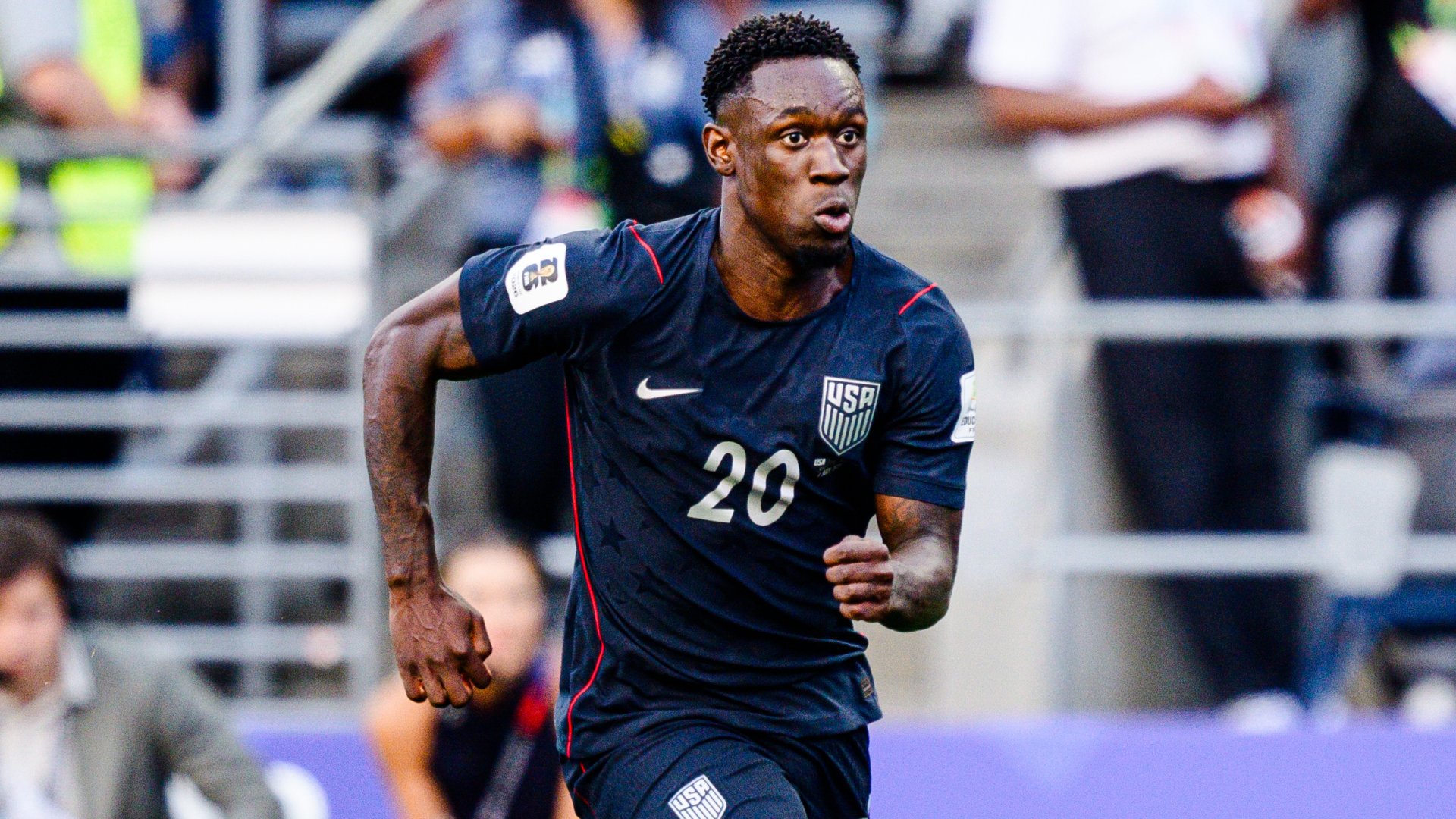
The final matchday of World Cup 2026's Group D arrives on Thursday stripped of its competitive core and freighted with everything else. The USMNT have already clinched the group. Turkiye have already been eliminated. The Netherlands, with two wins from two, are playing Tunisia for first place and momentum; the Americans, with nothing to play for on paper, are playing a Turkiye side looking to salvage a tournament that has quietly defined them by what they have not done in front of goal.
None of the four teams in question is auditioning. But the day will read like one. Coaches with sealed paths will weigh rotation against rhythm, and a U.S. programme that spent four years arguing over what this squad is will get a final, unscripted data point before the knockout rounds begin. Turkiye's problem — 62 shots, zero goals, according to CBS Sports' matchup breakdown — is the kind of stat that survives a tournament and follows a federation into the next one.
What is actually on the line
The headline facts are clean. The Netherlands and the United States both sit on six points after two matches, with the Dutch holding the tiebreaker, per CBS Sports' group coverage. The Dutch face Tunisia, who are still alive on goal difference; the Americans face Turkiye, who are mathematically out following the 2-0 defeat to the Netherlands reported on Tuesday. The U.S. has already won the group. Turkiye's elimination is the reason Thursday's fixture is, on the official FIFA record, dead rubber.
That framing is the wire line and it is correct, but it understates what the day is for. Turkiye coach Vincenzo Montella has been asked, in essence, whether the shot-volume problem is a personnel issue or a tactical one. The Americans, meanwhile, will decide whether to rest starters ahead of a round-of-16 fixture, give minutes to players who have not yet featured, or play a hybrid XI that tests combinations the staff has wanted to see under live fire. None of those options is wrong. None of them is free either. A group-stage loss heading into the knockouts has its own cost — even one against a side that has already been knocked out.
Turkiye's shot chart, and what it actually says
CBS Sports' Turkiye scouting piece leads with a number that should embarrass no one and instruct everyone: 62 shots, zero goals. The article, published 25 June 2026 at 13:17 UTC, frames the figure as misleading and then walks the reader back through why. Volume without quality is its own kind of data, the piece argues — finishing position, chance creation, expected goals. Turkiye's attacking shape is not the problem. The final pass and the final touch are.
There is a counter-narrative worth surfacing. Shot totals in international football are noisy: they reflect game state as much as they reflect attacking intent. Turkiye entered Tuesday already needing a result to stay alive, and they played the second half chasing a game that had already gone. That skews volume upward. Even so, the trend across the group stage — not just one match — is the relevant input, and on that measure Turkiye have been historically inefficient rather than merely unlucky. Two matches, 62 attempts, nothing on the board. That is a problem with a name attached to it, and Montella will be asked about it on Thursday regardless of the team he picks.
The U.S. defence, for its part, has looked organised without looking spectacular. Clean sheets are clean sheets; whether they reflect a back line that has been genuinely tested is a separate question that Thursday will partly answer. If Turkiye generate another 25-plus attempts and fail to score, the underlying issue is confirmed. If they break through, the framing shifts toward goalkeeping variance and small-sample noise.
What the rotation question really asks
This is the more interesting beat for American readers, and it is the one the wire has been less willing to take a position on. U.S. head coach Mauricio Pochettino has, since taking the job, talked publicly about treating every competitive minute as an audition. A dead rubber, on that logic, is the purest audition of the tournament: nothing on the result, everything on the individual performance.
The counter-position is that tournaments are won by squads, not by depth charts, and that resting players who are carrying minor knocks ahead of the knockout round is the responsible move. Both can be true. The honest answer is that Pochettino has been balancing these pressures since the November camp, and Thursday is the first time the calendar forces him to choose in public. Sergino Dest, whose minutes have been managed, and Tim Weah, whose role has fluctuated between wing and inverted full-back, are the kind of names whose Thursday usage will be parsed by an American press corps that has spent the cycle arguing over what this team actually is.
Stakes, and what the day is not
The honest framing is that this is a fixture whose competitive ceiling is lower than its newsroom ceiling. The U.S. have already wrapped the group. Turkiye are already out. The Netherlands, the team with the most to play for on Thursday, are doing so against a Tunisia side that needs a result and a goal-difference swing to advance — a scenario that produces open football and, historically, surprises.
For Turkiye, the longer story is whether a federation that arrived at this World Cup with genuine expectation leaves it having scored zero times in three matches. That is the stat that follows Montella into September. For the U.S., it is whether Pochettino uses Thursday as a final tune-up or as a referendum on the depth of a squad he has spent fifteen months building. For Tunisia, it is whether they can produce the upset that takes them through; for the Dutch, whether they hold first place and carry momentum into the bracket.
How Monexus framed this vs the wire: the wire cycle is leading with odds and predictions; we are leading with the structural question — what does a group stage that ends with one team already through and one already out actually test? The shot-chart story is the one that survives the day.