Darryn Peterson arrives in Utah as Jazz bet on a prospect the league spent two years trying to figure out
The No. 1 pick touched down in Salt Lake City on Friday and immediately said the quiet part out loud: he would run the road again to be standing exactly where he is now.
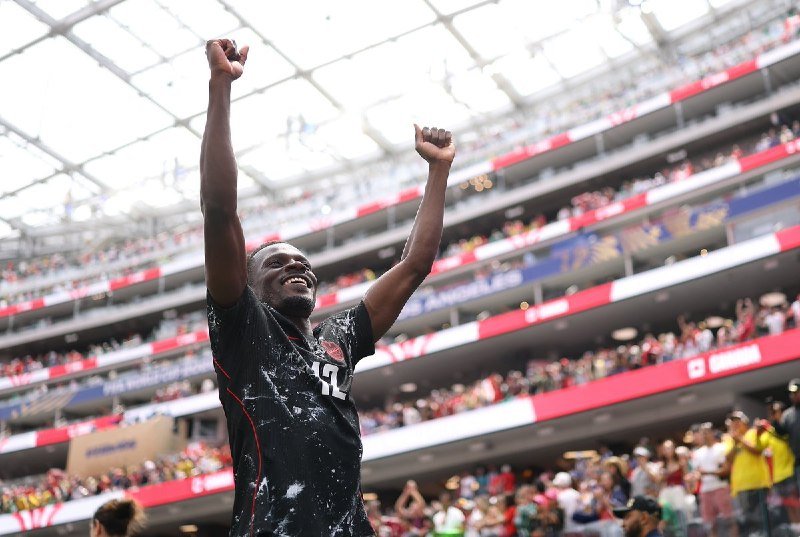
Darryn Peterson landed in Utah late on Friday, 27 June 2026, and within hours of stepping off the plane the No. 1 overall pick was already talking like a man who understood exactly what the franchise had just spent on him. Walking past a cluster of Jazz fans at the airport, the 19-year-old stopped and delivered a line that doubled as both gratitude and a warning: "I've been through a ton of stuff good and bad, but I'd do them all again if I knew this would be the outcome … I'm super blessed to be here and have this opportunity." The setting was small — a baggage claim, a row of phones held up by supporters — but the message was directed at a much bigger room.
Peterson's arrival in Salt Lake City closes the most scrutinised pre-draft stretch of his young career and begins the harder part: justifying the pick. Utah spent the final weeks of the cycle treating him as both the obvious choice and a live question, and the franchise is now the first organisation in the league to find out which of those readings is correct.
The arrival, and the line worth listening to
The greeting at the airport was choreographed in the way modern draft-day welcomes usually are. Footage circulated by NBALive on Telegram at 18:45 UTC on 27 June showed Peterson — "Darryn_P1" to the channel's editors — taking in the reception, posing briefly with supporters and then stopping to address a camera directly. The quote that followed is the kind of thing player-development staffs tend to underline in their notes: a prospect acknowledging that the road to the top of the 2026 class was uneven, and signalling that he would walk it again unchanged. For a team that just attached its near-term ceiling to him, that is the specific posture Utah's front office needed to see on day one.
Peterson had been the consensus top name on the league's pre-draft boards for most of the cycle, a distinction that carried weight until the final weeks, when rival front offices began asking publicly and privately about his durability and his shot-selection habits against NBA-length athletes. Utah, by all available indications, decided that the tape was the tape and the questions were the questions, and picked anyway.
What the Jazz are actually buying
Peterson arrives in Salt Lake City as the centrepiece of a roster that has spent three seasons in a soft rebuild. The Jazz used the 2024 and 2025 drafts to accumulate young perimeter talent and tradable contracts, and the 2026 lottery handed them the kind of top pick the franchise has not held since the rebuild began. The bet, framed plainly, is that Peterson can be a primary scorer from night one while the supporting cast around him continues to develop — that his scoring gravity alone is enough to accelerate a young core that has not yet been tested against the league's best defenders.
That bet has a price. A No. 1 pick is not just a roster asset; it is a public timeline. Utah's ownership group, the front office led by Danny Ainge and the coaching staff now headed by Will Hardy all share a working assumption that the window opens around Peterson's second season. Anything slower than that, and the pick becomes a referendum on the rebuild rather than its engine.
The other reading of the same player
There is a plausible counter-narrative, and it is one that several rival front offices aired in the final weeks of the cycle. Peterson's shot diet relies heavily on difficult pull-ups from the mid-range and beyond the arc — the kind of looks that look like inevitability against 18-year-olds and look like contested prayers against closing NBA wings. His frame, while long, has not yet held up to a full professional season of contact. And the league's medical staffs, not the public draft boards, hold the only opinions that ultimately matter when a team writes a contract.
The honest version of the picture is that the Jazz are buying the version of Peterson that finished the year, not the version that drifted in and out of the second half of his final college stretch. If that version is durable and his shot selection sharpens rather than regresses, the pick looks like a franchise cornerstone in year two. If either condition slips, the same tape reads as a warning the team chose to ignore.
Stakes, and the question Utah cannot defer
The structural frame here is the one that has defined the top of the modern draft for the past decade: when a generational name is on the board, the team holding the pick decides whether to weigh the upside against the medical and stylistic risk, or to chase the upside and accept the risk as a feature. Utah picked the second version. Everything that follows — the summer-league minutes, the first training camp, the first 25 games — will be read through that decision.
What remains genuinely uncertain, even after the plane touched down, is the part the airport cameras did not show: how Peterson's game translates when defenders are bigger, faster and switched up on every screen, and how his body responds to the longest season of his life. The Jazz will find out sooner than they would prefer, and the league will be watching on every night they do.
How Monexus framed this vs the wire: the wire clips delivered Peterson's quote and the airport footage; this piece treats the quote as a window into how the Jazz are likely to manage their new face of the franchise, and frames the surrounding stakes around the structural risk the team has now accepted, not the celebration of the arrival itself.
Wire provenance
This editorial synthesis draws on the following public wire/social posts:
- https://t.me/s/NBALive
- https://t.me/s/NBALive
- https://en.wikipedia.org/wiki/Utah_Jazz