Infantino's viral reaction: what one smile told us about FIFA's politics in 2026
A short clip of FIFA's president smiling through a contentious moment has circulated from the federation's own channel and The Athletic's wire on 27 June 2026. Read past the meme and the picture gets harder.
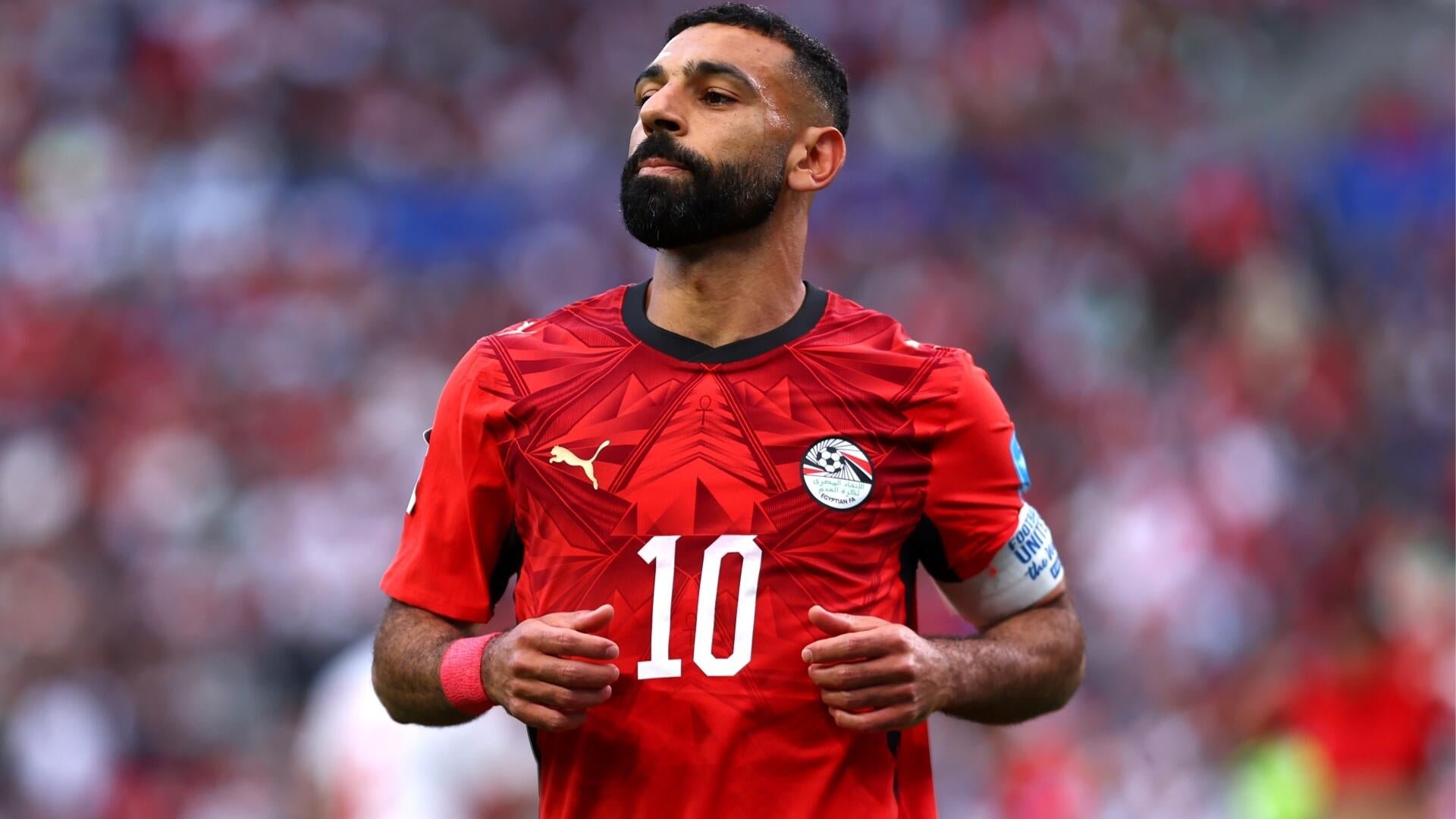
On the morning of 27 June 2026, two of football's loudest accounts posted the same clip with the same caption: "FIFA President's reaction says it all. 😅 #FIFA". FIFA's official Telegram channel and The Athletic's Telegram feed ran it within seconds of each other at 11:38 UTC. The clip — six seconds of a smiling Gianni Infantino during a moment most viewers expected gravity from — became the day's connective tissue between fan chat and governance chatter. Memes moved before any newsroom verdict did.
The interesting question is not whether the president smiled. It is what the federation, and the press covering it, chose to publish, in what order, and with what framing. A viral reaction shot is now itself a press release. That is a small change in the surface of football politics and a large one in how the world's most-watched federation presents itself.
What we are actually looking at
The footage circulated by FIFA's own channel shows Infantino mid-event, smiling and reacting to something out of frame. The Athletic — a subscription outlet with a politics-and-business desk that routinely reads FIFA as an institution rather than as a sport — re-broadcast the same clip almost simultaneously. Both posts use the identical caption and the laughing-crying emoji. There is no news copy attached, no quote, no attribution. Just the reaction and a wink.
This is now standard practice for large sporting bodies. The clip functions as a brand cue: it tells you the federation is comfortable with the moment, and it asks you to laugh along. For a federation whose last several congresses have been dominated by talk of governance reform, human-rights conditions in host countries, and the expanding commercial footprint of the men's World Cup, choosing levity as the official register is itself an editorial choice.
Why the federation would want this frame
FIFA's communications strategy has, for the better part of a decade, leaned on Infantino's personal recognisability. He appears at member-association visits, at G20-style panels, and at the centre of glossy broadcast graphics. A viral reaction clip does two things at once: it confirms to sponsors that the brand travels on personality, and it gives casual fans a low-friction way to repeat the federation's own framing. When the federation's own channel leads, the rest of the cycle usually follows.
The timing matters too. The 2026 World Cup — co-hosted by the United States, Mexico and Canada — sits roughly six weeks out from kick-off. Broadcast rights packages, hospitality sales and the federation's second commercial-revenue cycle for the expanded 48-team format are still being monetised. The federation has every incentive to keep the dominant image of its leadership relaxed, accessible and on-message.
The press half of the loop
The Athletic re-broadcast the clip without commentary. That decision is the more telling one. The Athletic is part of the New York Times Company's sports portfolio and has built a reputation for treating FIFA as a beat that deserves scrutiny: its reporting on the 2018 and 2022 award processes, on workers' conditions in Qatar, and on the federation's expansion decisions has shaped how English-speaking fans talk about the institution. A repost-without-context from that desk, on the same minute as FIFA's own channel, suggests the moment passed the newsroom's threshold for shareable without clearing the bar for an article.
That threshold is worth naming. Reactions — even presidential ones — are not events. They become events when an institution chooses to amplify them. The federation's amplification puts the image in circulation; The Athletic's amplification ratifies that circulation as worth your attention. Between them, the clip reaches a wide audience as if it were the day's official line.
What remains uncertain
The sources circulating the clip do not specify what Infantino was reacting to, when the footage was recorded, or at which event. The caption — "FIFA President's reaction says it all" — gestures at a context the viewer is supposed to share. That shared context is precisely what the federation wants: a population that already knows what "it all" refers to. Without the underlying moment, any reading of the smile — endorsement, deflection, embarrassment — is speculation.
A cleaner version of this story would carry the original question, the original room, and an on-the-record description from someone in it. This version, for now, is the federation's own signal bouncing off a respected newsroom's feed. The picture is real. The meaning is what the institution decides it is.
Stakes
The stakes are not about one clip. They are about who gets to set the day's image of a federation that governs the world's most-watched sport. When the federation leads with a meme and a major outlet ratifies it without friction, the bandwidth for harder questions — workers' conditions, governance reform, the commercial terms of the 2026 tournament — narrows by the hour. The audience still ends up informed, but the first thing it sees is a smile.
Football fans are used to reading the game tactically. The same instinct, applied to the federation, would note that a side which controls the first image usually controls the shape of the next day's debate. On 27 June 2026, that side was FIFA's.
This article is built from two wire items circulated on 27 June 2026. Monexus publishes it without adding detail the source material does not support; the desk note is included below for transparency.
Wire provenance
This editorial synthesis draws on the following public wire/social posts:
- https://t.me/FIFAcom
- https://t.me/TheAthletic