Messi to start Argentina's group finale against Jordan from the bench
Lionel Scaloni confirms his captain and tournament top scorer will begin Saturday's final group match against Jordan among the substitutes, a selection choice that speaks to Argentina's already-secured position and to the tournament's broader rotation logic.
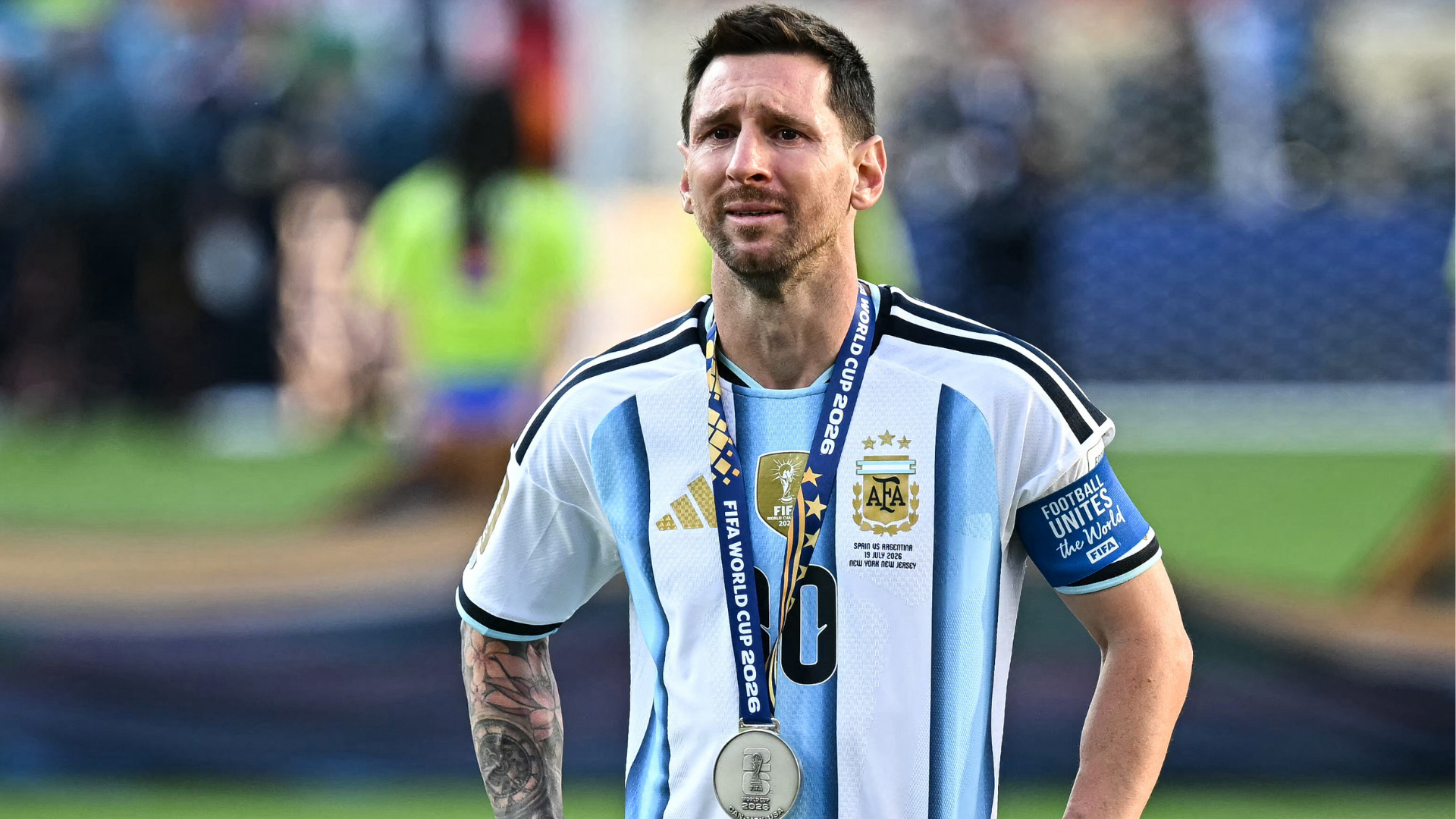
Argentina will begin their final group-stage match of the 2026 World Cup against Jordan on Saturday without their captain on the field. Lionel Messi, the tournament's leading scorer, will start on the substitutes' bench, manager Lionel Scaloni confirmed on Friday 27 June 2026. The decision, reported in parallel by BBC Sport and ESPN, is the clearest signal yet that Argentina are treating the closing group fixture as a rotation exercise rather than a competitive pursuit of points.
The selection reads as a luxury only a team already through can afford. Argentina's progression from the group is settled; Jordan, by contrast, arrive at the match with something still to play for, and the shape of the afternoon will be determined less by what Scaloni chooses to deploy than by what Jordan can extract from the minutes their opponents choose to give them.
Scaloni's calculation
Scaloni framed the choice in the language of squad management. Argentina have played three matches inside the compressed 2026 tournament window, and the load on a 38-year-old forward — even one operating at Messi's level — is a finite resource the staff are plainly choosing to husband. Starting Messi from the bench preserves the option of a decisive intervention in the second half, when legs have tired and the game's shape has clarified, while keeping the captain's minutes within a band the medical staff are comfortable defending.
It also reads as a vote of confidence in the supporting cast. Lautaro Martínez, Julián Álvarez and the wide options behind them have carried attacking weight through the group; giving them a full starting shift against a Jordan side that must commit forward is the kind of test Scaloni has historically used these fixtures for. The benching of the captain is, in that sense, less a demotion than a delegation.
What the benching tells the room
There is a second register to the decision, and it is the one the Argentina bench will be watching. Messi is this tournament's top scorer. Every goal he adds from this point forward comes with a footnote attached — a record chased, a marker laid down against the historical ledger of the competition. Starting him on the bench keeps the record intact and the target within reach; it does not foreclose the possibility that he finishes the tournament's leading scorer having started the knockout build-up as a substitute.
For Jordan, the dynamic is starker. They are not the story of the group — they are the opponent — but Saturday is the match that defines whether their tournament ends as a respectable exit or a competitive one. Scaloni's selection hands them a window in which Argentina's first-choice spine is absent from the opening exchanges. Whether Jordan can convert that window into the kind of result that resets the script of their own campaign is the only question the result on the pitch will actually answer.
The structural read
The pattern is not unique to Argentina. Modern tournament football has migrated towards the early rotation of senior players in matches whose competitive stakes have already been resolved. The reasons are partly physiological — squad congestion and recovery windows are tighter than they were a decade ago — and partly competitive: managers who reach the knockout rounds with their principals fresh hold an edge over those who do not. Scaloni is operating inside that logic and applying it to the one player whose minutes the entire country tracks.
The Argentina head coach has consistently treated these fixtures as selection laboratories rather than statement matches. The benching of Messi against Jordan extends that habit into the most-watched football tournament in the world, and does so at the precise moment when the broader bracket is taking shape around the group winners and runners-up who will populate it.
What remains uncertain
Two questions the sources do not resolve. First, the length of Messi's substitute appearance: Scaloni confirmed the benching but the BBC and ESPN dispatches do not specify the minute at which the captain is expected to be introduced, and that detail will shape whether the decision reads, in hindsight, as rest or as a stage-managed cameo. Second, Jordan's starting shape and selection of their own — the sources cover Argentina's call but say nothing about the lineup they will face, and the match's competitive substance will turn as much on what Jordan choose to do with the opening minutes as on what Argentina choose to save for the closing ones.
The Argentine federation has not, as of Friday evening UTC, indicated whether Messi will be available for media duties before kickoff. The expectation among reporters covering the squad is that any comment will be deferred to Scaloni's pre-match press conference.
— Monexus framed this as a squad-management story first and a Messi-stat-line story second. The wires led with the benching; the structural interest is in what Scaloni is choosing to preserve and what he is choosing to test.
Wire provenance
This editorial synthesis draws on the following public wire/social posts:
- https://en.wikipedia.org/wiki/2026_FIFA_World_Cup
- https://en.wikipedia.org/wiki/Argentina_at_the_2026_FIFA_World_Cup