Serena Williams returns to Wimbledon as Venus waits in the doubles draw
Serena Williams is back at the All England Club for the first time in two years, with sister Venus already confirmed for the women's doubles draw they have won six times together.
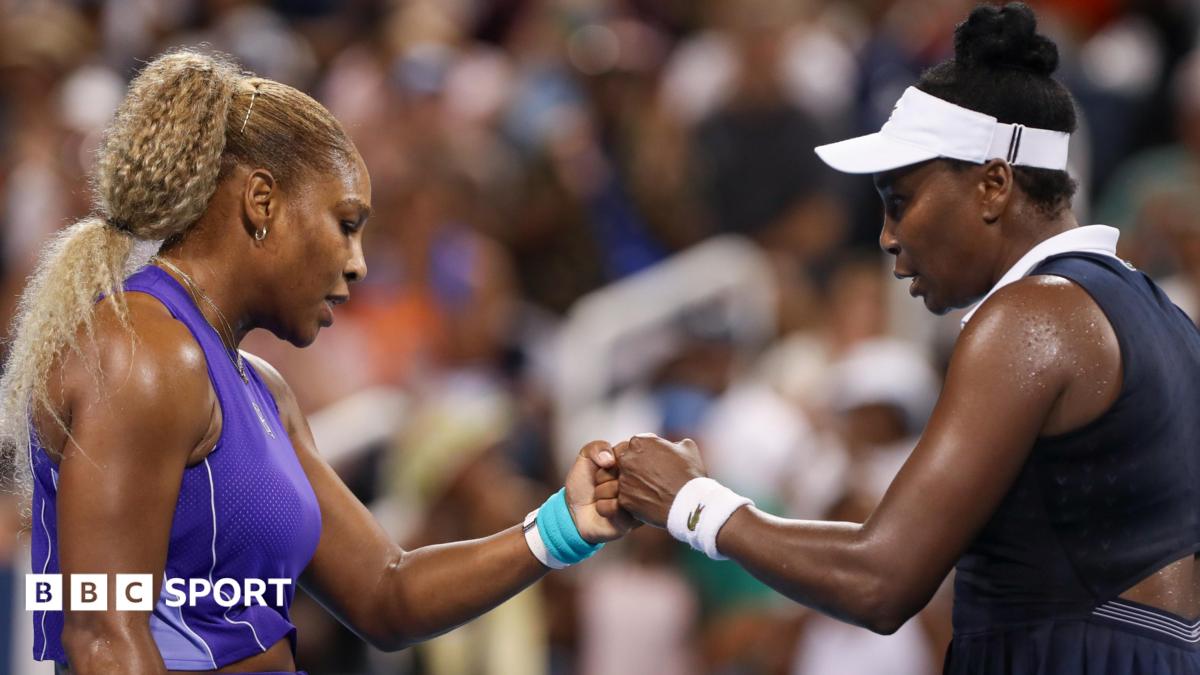
Serena Williams is back at the All England Club. Two years after her last competitive appearance, the 23-time Grand Slam singles champion has entered the Wimbledon singles draw and is expected to open her campaign in the opening days of the 2026 Championships, according to an ESPN guide to her return published on 27 June 2026 at 20:45 UTC.
The headline reunion, however, sits one event down the order of play. Venus Williams, confirming her own comeback on the same day, said she "can't wait" to play doubles alongside her younger sister at a tournament the pair have won six times together, ESPN reported at 20:28 UTC on 27 June 2026. The doubles entry turns a personal comeback into a family one, and gives Wimbledon its most marketable on-court subplot before a ball is struck.
A return measured in years, not weeks
The gap matters. Williams has not played a tour-level singles match in two years, and Wimbledon 2026 will be the first test of whether her body and ranking can survive a best-of-five format on grass. ESPN's guide frames the comeback as both ceremonial and competitive: organisers want the names on the draw sheet, but the bracket does not adjust for sentiment.
The structure of the women's draw is unforgiving. A returning champion with limited match-play faces an early opponent in form, with no seeding protection guaranteed on the basis of past results alone. The honest question is not whether Williams can still produce a moment — her career is built on them — but whether she can survive the second week physically.
Venus, and the doubles record that frames it
Venus Williams's confirmation lifts the doubles into a separate story. The sisters have won six Wimbledon doubles titles together, a record that ties them with the most successful sibling pairing in the modern Open era. ESPN's 20:28 UTC report quoted Venus saying she "can't wait" to step on court with Serena again, language that doubles as both family note and ticket-office pitch.
The doubles draw also changes how the rest of the field must prepare. A six-time-champion pair is not an opponent teams can scout through recent form; it is a reference point that the modern game has largely moved past. If the sisters click, they become a wild-card threat to seeded pairs who have spent a year building combinations. If they do not, the exit will be brief and the nostalgia exhausted early.
What the comeback actually tests
Strip away the headline and the return is a stress test of three things at once. First, whether a 44-year-old body can survive the grass-court grind — Wimbledon is the shortest rest period of the Grand Slams and rewards players who can hold serve efficiently through week one. Second, whether Williams's serve, still the weapon that has carried her career, can produce enough free points against opponents who have grown up studying her patterns on video. Third, whether the ranking system, designed for players who accumulate points weekly, can absorb a comeback of this scale without requiring a protected ranking or a wild card into the main draw.
ESPN's guide does not specify which path Williams used to enter — direct entry, protected ranking, or wild card — and that detail will shape expectations. A protected entry implies the All England Club is making room for a legacy; a direct entry implies she earned it on rankings.
Stakes, and what to watch in week one
The audience is settled: television rights holders, sponsors, and the All England Club's own broadcast operation all benefit from a Williams run. The competitive stakes are narrower. For Williams personally, week one is the only week that matters — a deep run would reset the conversation around her late-career choices; a first-round loss would compress the narrative into a single afternoon.
For the women's tour, the return puts a known variable back into a field that has spent two years building its own centre of gravity around players who have never played her. The honest counter-read is that her ranking does not yet belong in the top tier of the draw, and the draw will not lie about it. The honest counter-read on the other side is that grass has always rewarded Williams's serve, and that the first two rounds of Wimbledon have produced stranger results than a six-time doubles champion returning to singles.
What remains genuinely uncertain is the doubles. Two players returning together are harder to read than one; their last competitive outing as a pair predates the current tour's depth at both net and baseline. Venus's quoted enthusiasm is real, but the on-court product will be measured in points, not press conferences.
Monexus framed this as a comeback story with a structural reading attached — what a return of this scale asks of the ranking system, the draw, and the tour that has moved on — rather than as a tribute piece.
Wire provenance
This editorial synthesis draws on the following public wire/social posts:
- https://en.wikipedia.org/wiki/Serena_Williams
- https://en.wikipedia.org/wiki/Wimbledon_Championships_%E2%80%93_Women%27s_doubles