US strikes Iranian targets near Strait of Hormuz after tanker attack, ratcheting up Gulf confrontation
US Air Force assets hit Iranian military sites near the Strait of Hormuz within hours of an Iranian attack on a commercial oil tanker, in the most direct US-Iran military exchange of the cycle.
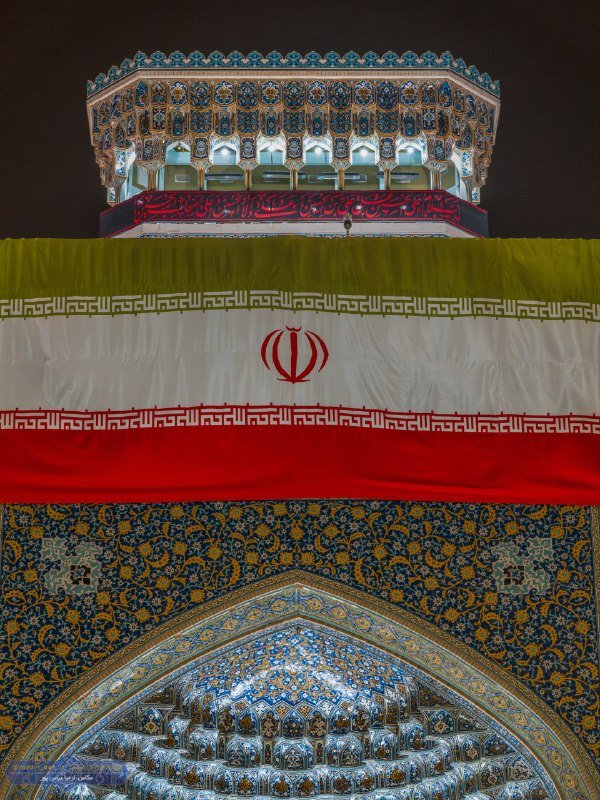
United States Air Force fighters struck Iranian military targets in the Strait of Hormuz area late on 27 June 2026, hours after Iran attacked a commercial oil tanker transiting the chokepoint, in the sharpest direct US-Iran military exchange of the present cycle. The strikes were confirmed by US officials speaking to Axios and carried live by Reuters and Middle East Eye, with tanker and strike-tracking accounts on Telegram documenting the air activity that preceded them.
What had been a slow-burn tit-for-tat over shipping is now a kinetic, attribution-clear exchange between the US military and Iranian targets on Iranian soil. The next 48 hours will determine whether this stays contained to the waterway — where roughly a fifth of the world's seaborne oil passes — or widens into a regional war that no Gulf capital presently wants.
What was struck, and by whom
The retaliatory operation involved US Air Force fighters operating in the Hormuz area, according to a US official cited by Axios and relayed by Sprinterpress at 22:14 UTC on 27 June. The strikes came after Iran's Revolutionary Guard Corps-affiliated forces struck a commercial oil tanker in the Strait earlier the same day, an attack that US officials described as the trigger event. Open-source flight tracking reviewed by the OSINTdefender account and posted at 22:12 UTC showed at least four KC-135 Stratotankers and three KC-46A Pegasus tankers active in the vicinity shortly before the strikes, indicating a coordinated strike package rather than an opportunistic response.
Reporting from Middle East Eye, citing US military statements, said the fresh strikes hit "several targets in Iran" — language consistent with land-based radar, missile, or command-and-control sites rather than mobile fast-attack craft. The Cradle-style framing on Telegram accounts such as ClashReport and VisionerRT has emphasised the Hormuz geography, describing the operation as "retaliatory strikes on Iranian military targets in the Strait of Hormuz area." The substantive content across these accounts converges: this was a deliberate, named-target operation, not a warning shot.
The Iranian play that started the day
The proximate trigger was an Iranian attack on a commercial oil tanker in Hormuz earlier on 27 June. The identity of the vessel, its flag state, and the extent of any casualties among its crew had not been confirmed by independent shipping sources at the time of writing. Iranian state-aligned channels framed the tanker strike as a defensive response to alleged Israeli or US maritime provocations, a framing consistent with Tehran's longstanding legal argument that it retains a right to interdict shipping it considers hostile in the Gulf.
That framing, however, does not survive contact with two facts. First, the US strikes were explicitly described as retaliation, not pre-emption — meaning Washington judged the tanker attack to be the initial move. Second, the operation was announced by named US officials to named Western outlets within hours, the kind of disclosure discipline that suggests the operation had been pre-planned and the tanker incident served as the public justification for an action Washington had already prepared. The Iranian framing should be reported, but it should also be weighed.
Why Hormuz, and why now
The Strait of Hormuz is the single most consequential pinch-point in global energy. Roughly a fifth of the world's seaborne oil and a third of its LNG transit the 21-mile-wide shipping lane. Any sustained disruption feeds directly into insurance war-risk premia, tanker charter rates, and the price of crude and diesel at filling stations from Karachi to Rotterdam. Tehran knows this. It is the one piece of leverage Iran retains against a sanctions architecture that has throttled its oil exports for years.
The present cycle fits a recognisable pattern. Each round in 2024 and 2025 saw Iranian proxies — Houthi attacks on Red Bab el-Mandeb shipping, militia strikes on US positions in Iraq and Syria, harassment of tankers in Hormuz itself — escalate incrementally, drawing calibrated US responses that did not alter the underlying dynamic. The difference on 27 June is that Iran struck a commercial vessel and the United States struck targets on Iranian soil, openly and within hours. The escalation ladder has been shortened.
There is a counter-read worth naming. Tehran may have calculated that a single-tanker attack, hitting commercial infrastructure rather than a US warship, would draw a US response calibrated to shipping-protection messaging — mine-clearance, convoy operations, more air assets in the Gulf — rather than direct strikes on Iranian territory. If so, the scale of the US response suggests that calculation failed. Alternatively, Iranian hardliners may have wanted the exchange, betting that a controlled crisis strengthens the hand of those in Tehran who argue for accelerated nuclear breakout. The sources do not yet allow a definitive read on which faction in Tehran is driving the bus, but the public posture from Iranian state media has been defiant rather than de-escalatory.
Stakes: oil, alliances, and a window that may not stay open
If the strikes are followed by a sustained US air campaign against Iranian military infrastructure, the regional consequences cascade quickly. Iran's ability to threaten Gulf shipping degrades, but so does any prospect of a negotiated cap on Tehran's nuclear programme. Saudi Arabia and the UAE, which have spent two years rebuilding ties with Tehran under Chinese-brokered rapprochement, will be pressed to choose between their US security guarantee and their commercial opening to Iran. Israel — already engaged in a multi-front war in the north — faces the prospect of a US-Iran war that it did not start and cannot fully control. China and India, the two largest customers for Gulf crude, have the strongest commercial interest in de-escalation but the least leverage over either Washington or Tehran.
The oil-market read is more immediate. Brent crude and diesel futures moved on the initial Reuters headline; if the strikes are followed by confirmed damage to Iranian oil-export infrastructure — rather than military targets alone — the move will be larger and longer-lasting. Shipping-insurance underwriters in London will reassess Hormuz war-risk premia within days.
What remains uncertain
Several pieces of the picture are not yet in evidence. The identity of the tanker struck earlier in the day, the nationality of its crew, and the extent of any injuries have not been independently confirmed by shipping authorities or by the vessel's flag state. The specific Iranian targets hit by US fighters have been described only in generic terms — "several targets" — and there is no independent confirmation, as of this writing, of damage assessments on the ground. Iran's retaliatory posture, if any, will determine whether the 28 June news cycle is about an oil-market rally or about a wider war.
The pattern of the past two years has been one of calibrated escalation, with each side probing the other's red lines without breaking them. On 27 June, the red line on Iranian soil was crossed for the first time in this cycle. The question now is whether the next move is Tehran's, and what form it takes.
— Monexus framed this as a fast-moving kinetic exchange rather than a prolonged crisis, leading with the named-target strikes rather than the tanker incident that preceded them. The Iranian framing has been reported but weighed against the timing and disclosure pattern of the US response.
Wire provenance
This editorial synthesis draws on the following public wire/social posts:
- http://reut.rs/4eOBwVO
- https://t.me/osintlive
- https://t.me/osintlive
- https://t.me/ClashReport
Follow the event.
These dated source records provide context. They do not retrospectively verify this archive article.
Separate what the nuclear watchdog reported from what it could not determine after the June 2025 strikes.