Colombia top Group E on goal differential as Portugal stumble into Croatia tie
A goalless draw in Houston was enough to send Colombia through as group winners and tee up a last-32 meeting with Ghana, while Portugal finished second and now face Croatia.
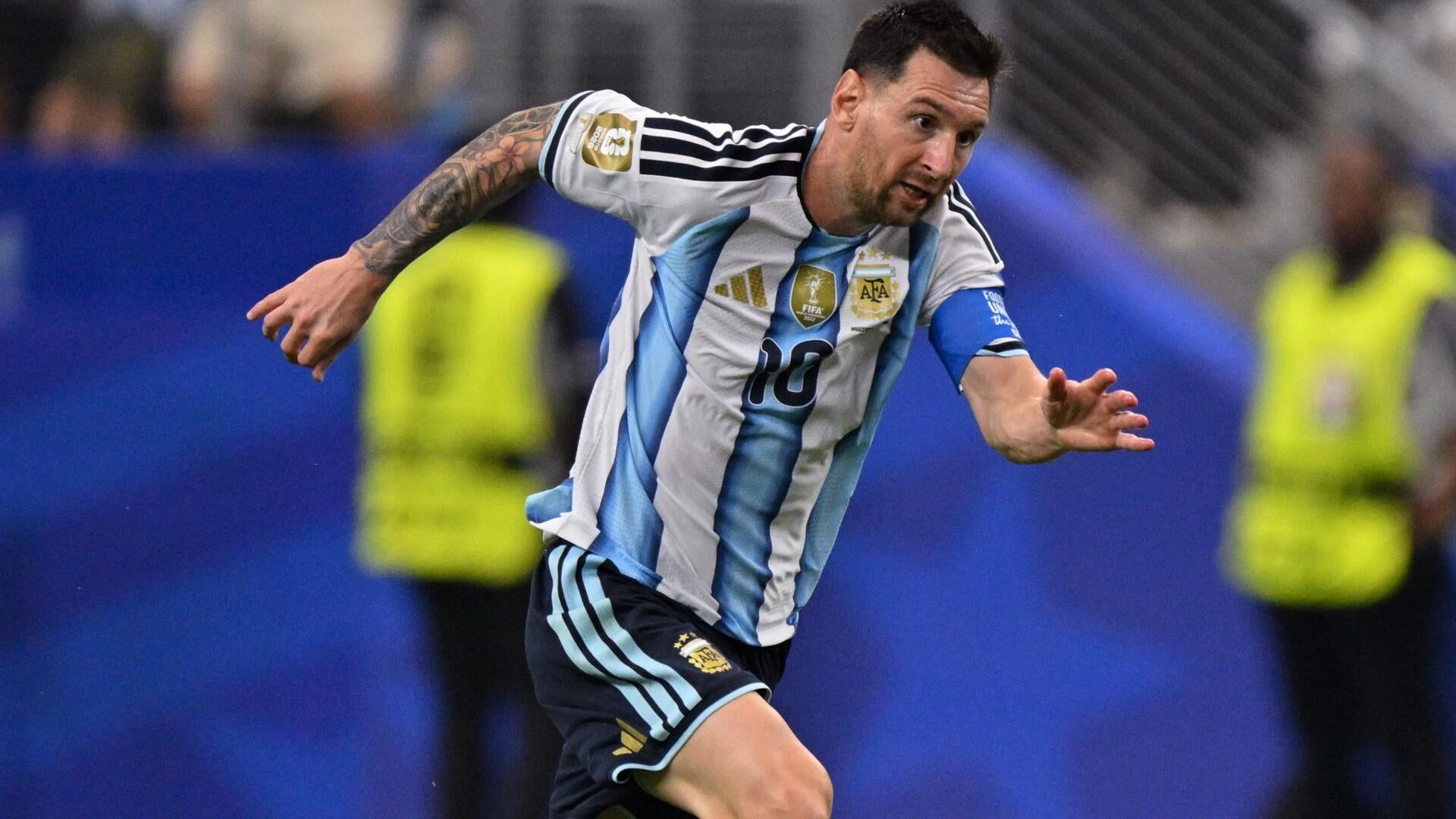
HOUSTON — 28 June 2026, 02:00 UTC. Colombia are through to the knockout phase of the 2026 World Cup as Group E winners after a 0-0 draw with Portugal at Houston's NRG Stadium finished just the way the arithmetic required. The result, confirmed at 01:52 UTC, leaves Portugal second and sets up a Round-of-32 collision with Croatia, while Colombia face Ghana. Neither side found the net in front of a heavily split crowd, but the standings told a sharper story than the scoreline: a single point was enough to lift Los Cafeteros above the Europeans on goal differential.
That is the headline, but it understates the texture of the night. Colombia arrived needing only to avoid defeat. Portugal, already qualified, were managing minutes and a generation's worth of World Cup questions about how much longer Cristiano Ronaldo can carry this team. The result leaves both coaches with something to argue about and the bracket — Ghana on one side, Croatia on the other — with the makings of an ugly second week for either of the two favourites in the pool.
A draw that felt like two different games
For Colombia, this was the night the shape of Nestor Lorenzo's squad clicked into tournament mode. Their back line, marshalled by Davinson Sánchez, absorbed wave after wave of Portuguese possession without ever looking genuinely breached. The midfield three — Barrios, Uribe, Lerma — sat deep, narrowed the lanes between the lines, and forced Portugal to circulate in front of them rather than through them. Luis Díaz ran the channels on the break but did not get the final pass he needed.
For Portugal, the evening was a controlled experiment that never quite caught fire. Roberto Martínez rotated, as he has all group stage, and his second string — João Félix flanked by Pedro Neto and the returning Rafael Leão — moved the ball crisply in the first twenty minutes but ran out of ideas once Colombia's shape settled. Ronaldo entered as a second-half substitute rather than a starter, a choice Martínez will be asked about again this morning. The 0-0 line was the right one to read the moment; neither side looked like scoring late.
What the wire said — and what it didn't
Al Jazeera's breaking-news line, logged at 01:52 UTC, framed the result as Colombia booking a last-32 tie with Ghana and Portugal drawing Croatia. That is accurate as far as it goes. It does not capture the group dynamic: goal differential, not points, separated the two teams after both finished with the same win-loss column. It also does not mention the betting-volume weight that preceded the match — CBS Sports' promotional headline on 27 June pointed readers toward a $1,500 bonus-bet offer on BetMGM keyed to the England-Panama and Colombia-Portugal fixtures. The sportsbook economy around this World Cup is now part of the tournament's texture, whether the wire notices it or not.
There is a fair counter-read here too. Portugal will argue — privately — that they have spent three matches inside a tournament and rotated nine of them into form without losing. A rested Cristiano Ronaldo against Croatia is a different proposition than a 75-minute Ronaldo chasing a goal against Morocco or Spain. The bracket, on paper, still runs through Lisbon.
The structural frame
Group-stage draws are easy to over-read. But this one tells a familiar story about the new geometry of the expanded World Cup: the margin between a glamour tie in the next round and a brutal one is now a single set of passing sequences in the final group match. FIFA's 48-team format, in its first iteration, is producing the expected mid-tier chaos — a Colombia that lost to an African side can still top its pool, and a Portugal that has not lost in ninety minutes can finish second.
That structural reality is what the tournament's commercial scaffolding is built on. The bonus-bet offers flagged in US sports coverage are not incidental. They are aimed at converting exactly this kind of dead-rubber-with-stakes into handle, and the volume of money on offer tells you which matchups US books expect to drive interest through the round of 32. Colombia–Ghana is the bookmakers' preferred '96 minutes of football' fixture. Portugal–Croatia is the one they expect will end someone's tournament.
What we don't know yet
Colombia's medical staff will have the next 72 hours to decide whether Díaz's muscle complaint — which kept him on the bench for the final twenty minutes — is a strain or a knock. Martínez's staff will be making a parallel calculation on whether to start Ronaldo against Croatia or keep him in reserve for the quarters. Neither set of answers is in the wire yet. Both will shape how the bracket actually plays out.
What is in the wire, as of 02:00 UTC on 28 June 2026, is simpler: Colombia are group winners. Portugal are not. The Round of 32 starts in four days, and the two teams will not be meeting each other.
— Monexus framed this around the on-pitch mechanics of the group finish rather than the sportsbook promotional layer that the US wire led with. The betting-economy context is real but downstream of the result, not co-equal with it.
Wire provenance
This editorial synthesis draws on the following public wire/social posts:
- https://en.wikipedia.org/wiki/2026_FIFA_World_Cup_Group_E
- https://en.wikipedia.org/wiki/Cristiano_Ronaldo