Darryn Peterson lands in Utah and immediately tells the Jazz who he is
Utah's new lottery pick used his introductory press conference to sketch a usage rate, a role, and a development timeline, and the Jazz now have to decide whether to take him at his word.
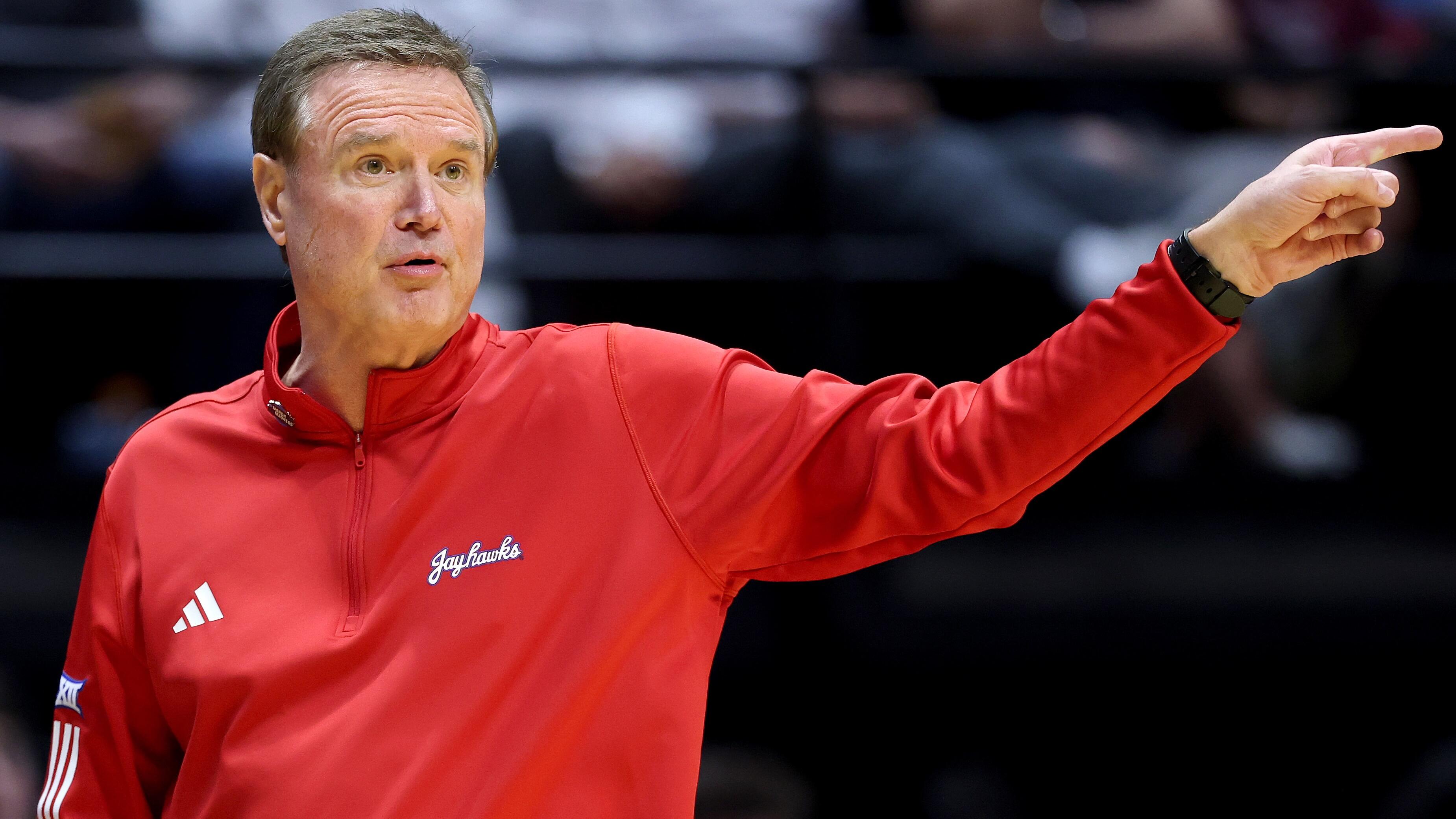
Darryn Peterson walked into a Utah Jazz introductory press conference on 28 June 2026, looked at the assembled cameras, and told the room exactly who he planned to be.
Peterson, the first-round pick whose pre-draft tape has circulated for months, did not bother with the usual rookie pleasantries about fitting in, learning from veterans, or letting the game come to him. Instead, per reporting carried on the NBALive Telegram channel, the guard laid out his terms: he intends to be the offensive engine of the Jazz from opening night, and he expects the franchise to build around that ambition rather than around him. The statement landed in a league still digesting a draft cycle in which several top picks chose measured corporate language, and it immediately reframed the conversation in Utah from "what did the Jazz get" to "what did the Jazz just agree to."
The press conference nobody else held
Most draft classes move through their introductory media in a fog of team-issued talking points. Peterson cut through that. The Telegram thread carrying his remarks shows a player comfortable enough to draw a line in the sand on day one, naming the usage he wants and the role he intends to occupy. For a franchise that has spent two seasons in soft tank mode, accumulating young talent and draft capital while trying to recover from the Donovan Mitchell trade and the Rudy Gobert aftermath, that is a different kind of variable to plug into the lineup.
Utah's basketball operations group, now in a new post-Sexton era of front-office leadership, has talked openly about wanting a guard who can create his own shot at the top of the pick-and-roll. Peterson's declaration suggests he heard that language and decided to take it literally. Whether the Jazz intended the words as a general direction or a specific invitation is now an open question, and the rookie made it open.
The language of a contract, not a campaign stop
What Peterson did in that room is closer to a contract negotiation conducted in public than a typical first-look media appearance. He did not pitch himself as a project. He did not say he was ready to compete for a rotation spot. He told the Jazz who he intends to be when the regular season tips off, and asked, in the polite way rookies ask, for the roster to reflect that.
The distinction matters because franchise-building in the modern NBA runs on a specific tempo: draft the player, develop the player behind veterans, integrate the player into a system, and only then, two or three years in, hand over keys. Peterson's first move was to skip the waiting room entirely. The Jazz now have to decide whether to treat that as confidence worth rewarding or as a rookie who needs to be slowed down, and the league is watching how a small-market team handles a top pick who shows up with a manifesto.
What the Jazz actually bought
Utah's pre-draft public positioning emphasised length, defensive versatility, and the kind of connective playmaking that fits a halfcourt built around a stretch big. Peterson's game, by contrast, is built on shot creation, pull-up scoring, and the kind of on-ball usage that requires the ball to be in his hands for the offence to function. The fit is not automatic. The fit is, in fact, a small philosophical argument inside the franchise about what kind of team they want to be.
There is a reading in which Peterson is exactly the player the Jazz need to accelerate out of their rebuild. There is another reading in which a rebuilding team needs a more plug-and-play connector rather than a high-volume scorer who arrives with a usage rate already negotiated. The press conference moved the front office from debating that question in private to answering it in public, on a clock set by the rookie himself.
The rookie economy is changing
The broader draft class of 2026 has been notable for how little its top picks have said. Several names taken in the lottery have been careful, deferential, and at pains to credit the franchises that selected them. Peterson broke that pattern within minutes of his name being called. The Telegram coverage captures a player who understood the leverage a top pick carries in 2026 and chose to use it on day one, in his first sit-down, in front of the team's own cameras.
For the Jazz, the question is no longer whether Peterson is talented enough to justify the pick. The scouting report did that work. The question is whether the franchise is willing to accept the version of itself that Peterson has now described, and to build a rotation, a playbook, and a development timeline around the player he announced he is going to be.
He told the Jazz who he is. The next move belongs to them.
Sources
- [2026-06-30T22:30] BBC SPORT, "Koeman resigns, while Netherlands report racist abuse", https://www.bbc.com/sport/football
- [2026-06-30T16:18] The Guardian, "I ran out of luck: Dutch defeat ends economist's run of World Cup winning predictions", https://www.theguardian.com/football
- [2026-06-28] NBALive Telegram, Peterson introductory remarks coverage, https://t.me/s/nbaplive/22240
- [2026-06-28] NBALive Telegram, Draft-day thread, https://t.me/s/nbaplive/21851
Desk note: Monexus treats pre-draft rookie content as a test of voice rather than a test of information. The wire will report the pick; the question worth covering is what the pick says about himself before he plays a minute, and whether the franchise that took him treats the statement as a contract.