England meet DR Congo as World Cup knockout stage arrives
Group stage wraps with England drawn against a DR Congo side playing its first knockout football in decades. The shootout data, and what BBC Sport's reporters flagged as the ties to watch.
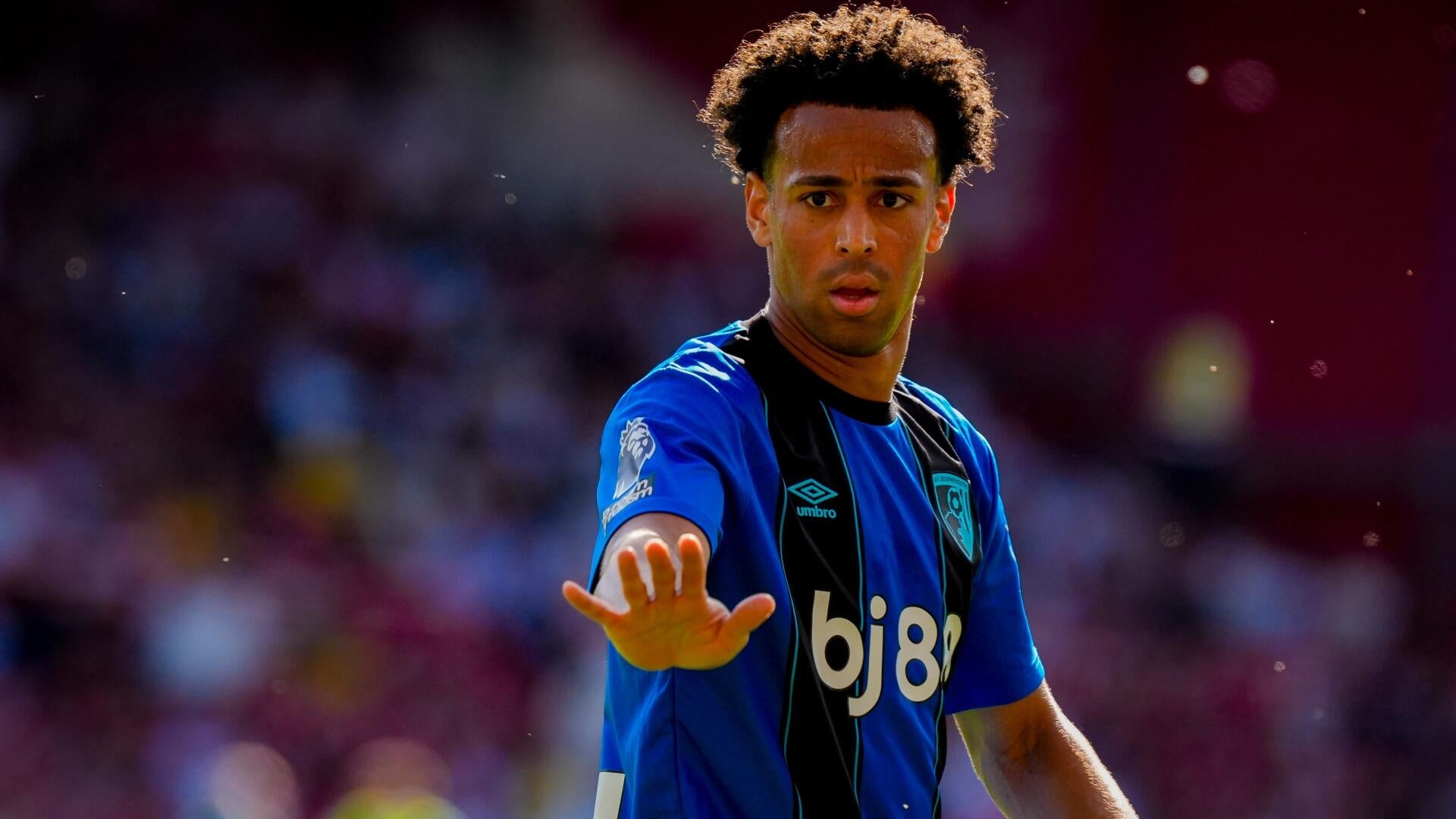
The group stage of the 2026 World Cup closed on 28 June 2026 with England and DR Congo the most-watched pairing in the round of 32, after the Congolese came from behind to beat Uzbekistan and seal a knockout meeting that neither federation has played in this decade. The fixture, scheduled for broadcast on BBC One and BBC iPlayer, anchors the first knockout round of a tournament BBC Sport framed in its last-32 preview as the moment the group stage's chaos narrows into single-elimination football.
England enter as favourites on paper and as the designated draw most neutrals in the British audience wanted avoided. DR Congo enter as a story: their comeback against Uzbekistan, sealed in the group's final game, was the first time the country has reached the World Cup knockouts. Both facts sit uneasily beside each other, and the gap between them is what the next ten days are about.
What the group stage actually told us
BBC Sport's group-stage review, published at 08:07 UTC on 28 June, runs through the reporters' picks for best team, best player, and best match across the opening three matchdays. The dominant thread is that the field is flatter than seedings suggested. The same preview that flagged DR Congo's progression also pointed to lower-ranked federations taking points off the supposed contenders, the structural feature of expanded World Cups that always arrives and is always, briefly, treated as a surprise before becoming the new baseline.
The 06:35 UTC last-32 guide from BBC Sport lays out the subplots across all sixteen ties: a heavyweight drawn against an emerging side in nearly every bracket, dark horses identified by reputation rather than result, and the player narratives that broadcasters will lean on through to the quarter-finals. The guide's underlying argument is that the round of 32 is where the tournament's marketing story finally meets its competitive one.
The shootout problem nobody is escaping
The data piece dropped by BBC Sport at 09:38 UTC — every penalty taken in a World Cup shootout, ever — lands at exactly the moment a knockout bracket is being finalised. The framing is practical rather than poetic: shootouts are decided by small, learnable margins, and the historical record shows which margins are most decisive.
For a tournament of this scale, the practical upshot is that a non-trivial share of ties will be settled from twelve yards. That changes how marginal teams prepare, how coaches manage the closing minutes of a drawn match, and which goalkeepers become national talking points within ninety minutes. The England–DR Congo tie is not yet on the shootout ledger, but the round-of-32 bracket is dense enough that the first televised one will arrive quickly.
England as favourite, DR Congo as story
England's last-32 tie against DR Congo will be shown live on BBC One and BBC iPlayer, with all sixteen first knockout round ties covered across BBC Sport, per the broadcaster's schedule announcement at 05:00 UTC. That scheduling is itself the editorial statement: this is the tie the domestic audience is presumed to want.
DR Congo's comeback against Uzbekistan, completed in the early hours of 28 June UTC, was the first time the country has reached the World Cup knockouts. That sentence does most of the work. A federation that has spent most of its history fighting for qualification rather than progression now has a knockout game against one of the tournament's seeded sides, and the footballing question — can they make it competitive for ninety minutes, and possibly beyond — is the only one that matters from their bench. For England, the structural challenge is the inverse: avoid the kind of slow start that turns a bracket gift into a press-conference crisis.
What remains uncertain
Two things are genuinely unsettled as the bracket is set. First, the gap between group-stage form and knockout-stage execution is wide enough that England's status as favourites is conditional on their first-half intensity, not their squad depth. Second, DR Congo's trajectory is more about trajectory than current level: a side reaching the knockouts for the first time can play with the specific freedom that comes from having already exceeded the country's previous World Cup ceiling, or with the specific tension of a team that knows the next loss ends the run. The BBC's preview flags them as a dark horse precisely because the historical data on first-time knockout teams is too thin to call.
The shootout data is the closest thing to a structural forecast available. It says the margins are small and the coaching decisions are learnable. It does not say who is more likely to be standing at the end of the bracket.
Desk note: Monexus framed this as a fixture preview rather than a tournament recap, leading on the Congolese progression as the editorial story and the broadcaster's schedule as the access hook. BBC Sport's own coverage emphasised the shootout dataset and the round-of-32 subplot guide; both are folded in here as structural context, with the broadcaster's last-32 preview treated as the spine.