England edge Panama to top Group H — and tee up a date with the DR Congo that nobody saw coming
A stuttering 2-0 win over Panama was enough for England to finish top of Group H, sending them toward a knockout tie against a DR Congo side that has quietly become the most interesting story of the tournament's opening fortnight.
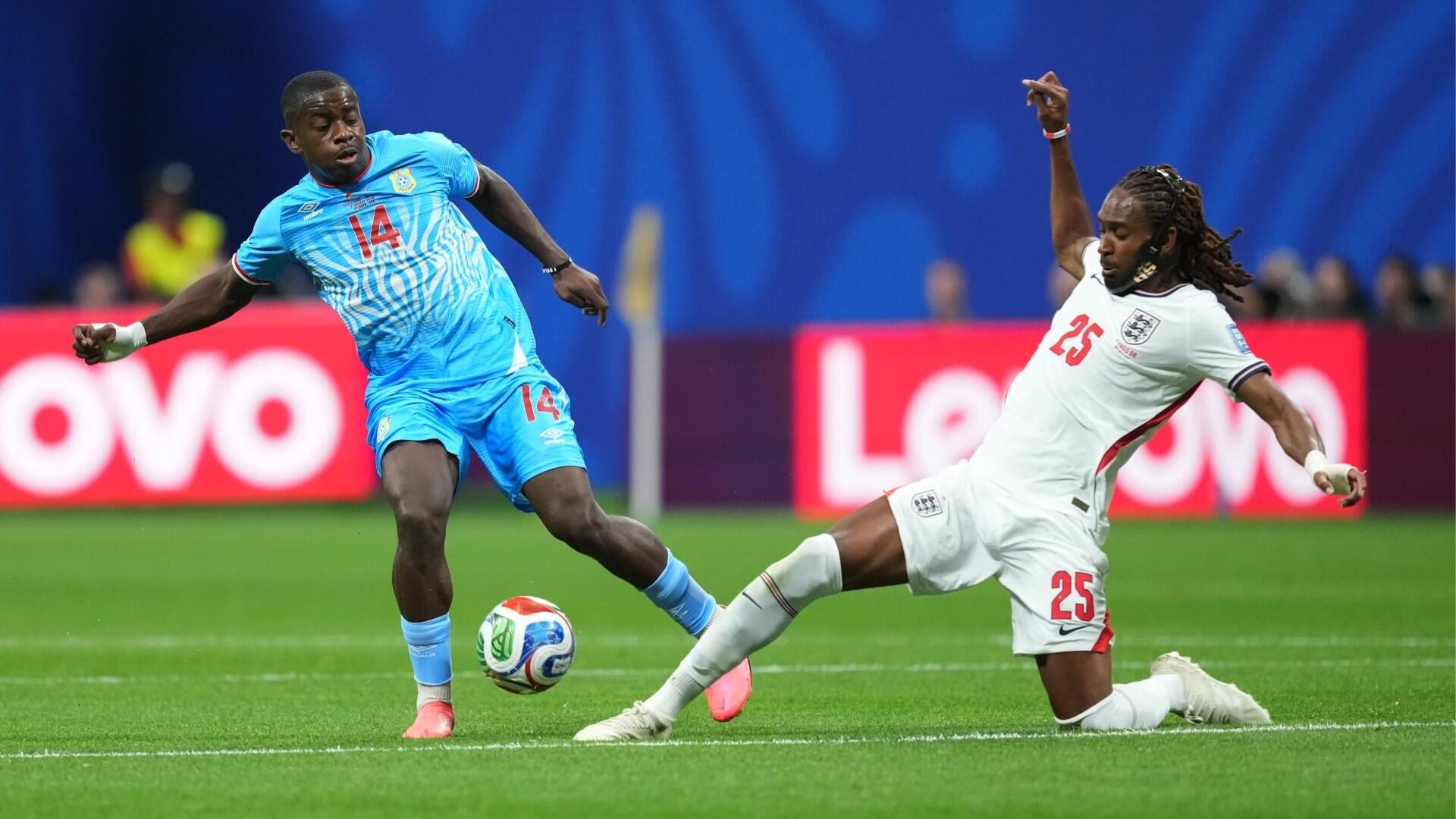
England are through to the knockout rounds of the 2026 World Cup as Group H winners, but the performance that got them there — a 2-0 victory over Panama on 28 June 2026 — will not live long in the memory. The Guardian's World Cup Daily podcast, hosted by Max Rushden with Barry Glendenning, Mark Langdon, Osasu Obayiuwana and Jacob Steinberg, summed up the mood in its opening segment: "somewhat unconvincing." The result is what mattered. The manner of it is now England's problem.
The win does, however, do one thing the rest of Group H could not: it gives England a route through the bracket that nobody in the studio had on their bingo card. Depending on how the final group fixtures resolve, England are looking at a knockout tie against the DR Congo — a side whose tournament has been less a story of qualification than a slow, methodical takeover of the conversation.
A win, but not a statement
England's two goals came without England ever looking fully in control of the tempo. Panama, already eliminated, played with the looseness of a side that knew the pressure was off. England controlled territory without controlling the ball in the way a pre-tournament favourite is expected to. The Guardian panel's reading was the same as the one doing the rounds in English fan forums before full-time: this was a top-of-the-group performance in name, not in evidence.
That matters less than it usually would because the fixture ahead is doing the opposite of easing anyone's mind. England have spent the group stage working out how to play against low blocks; the DR Congo have spent it working out how to play against everyone.
The DR Congo road has been quieter than it should have been
This is the part of the draw the Western press has under-covered. The DR Congo arrived in North America as a peripheral name — a five-letter African federation in a tournament dominated by European and South American storylines. They leave the group stage as the side English fans are now googling at 2am.
Their route through Group H has been built on the kind of structural football that does not generate highlight reels but quietly dismantles opponents: a midfield that compresses, wingers that run, and a frontline that punishes the one mistake a game. The Guardian's panel — Obayiuwana in particular — has been making the case through the group stage that the Congolese are not the draw anyone wanted. The English view, on the podcast at least, has shifted from "favourable" to "watch out" over the space of ninety minutes.
There is also a Global-South read of this bracket that is worth airing. A knockout tie between England and the DR Congo is not just a sporting fixture; it is a fixture between a former colonial metropole and a former colonial subject, played out on the biggest stage in the sport, with the entire African footballing public watching closely. The Congolese do not need to win to make the point. They need to be seen to belong.
Why the seeding let this happen
The structural story is the seeding. World Cup groups are, in effect, financial and political instruments as much as sporting ones — they shape broadcast windows, commercial narratives, and the geometry of the bracket. A draw that puts the DR Congo into a group containing England is a draw that, in the round of 32, almost guarantees one of two outcomes: a comfortable England path, or a story. England delivered the second one themselves by underperforming.
The wider point — and it is the point the Guardian panel kept circling on the podcast — is that the gap between a "favourable" group-stage draw and an actual knockout victory is widening. Teams from outside the traditional powers are arriving at this tournament with squads built across two or three European leagues, full pre-tournament camps, and tactical plans that account for the opposition's weaknesses in granular detail. The DR Congo's group stage is the case study.
What to watch in the round of 32
Three things will decide England vs the DR Congo, and only three.
First, set-pieces. The Congolese have scored heavily from dead-ball situations through the group stage, and England's defending of restarts has looked patchy at best. Second, the wide areas. If England's full-backs are pinned, the midfield loses its platform and the front three are asked to do work they have not been doing in the tournament so far. Third, and most importantly, the bench. The DR Congo's depth is the part of their squad that has impressed neutral observers most; England's depth has been the part that has impressed least.
The smart money, on the limited evidence of 28 June 2026, says this is a 1-0 or 2-1 type game in either direction. England are favourites on paper. The DR Congo are favourites in the studio.
Desk note: Monexus framed this around the tournament's structural story — the gap between seeded comfort and on-pitch reality — rather than around the result itself. The Guardian's World Cup Daily supplied the characterisation; the framing is ours.