177 and counting: the 2026 World Cup is already the highest-scoring in history
With the group stage not yet complete, the 2026 World Cup has surpassed every previous edition for goals scored — a statistical milestone that says something about the format, and possibly the football itself.
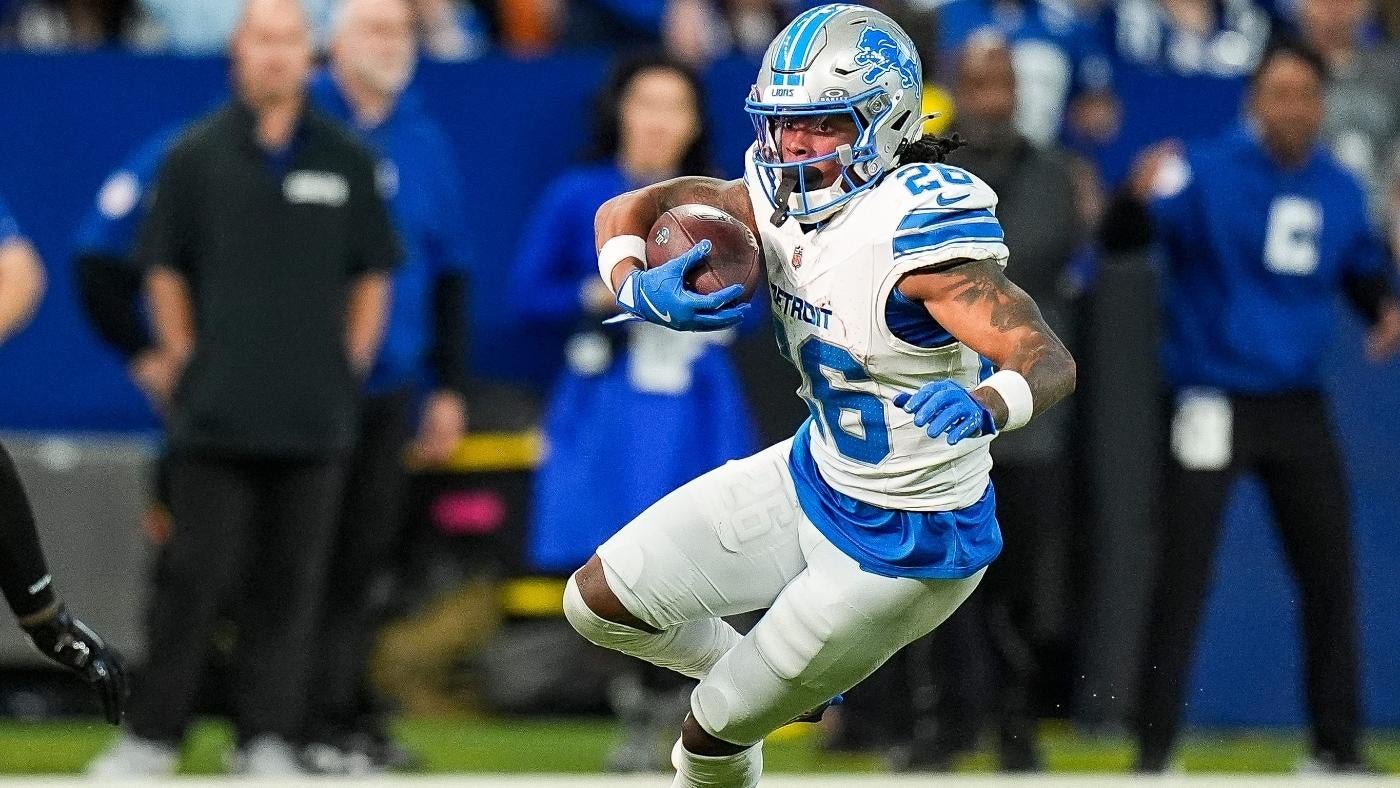
The 2026 FIFA World Cup has crossed a statistical threshold that, until this month, would have sounded implausible. According to a 27 June 2026 post on FIFA's official Telegram channel, the tournament has now produced 177 goals — surpassing the all-time record for a single World Cup — with the group stage still incomplete. The post, which framed the figure as a new benchmark "and the tournament isn't even over yet," captured a competition that has played at an offensive tempo the men's World Cup has not previously sustained.
The record matters less as trivia than as a signal: something about the structure of this tournament, and possibly the football itself, is producing goals at a rate the format has never before absorbed.
A new arithmetic
The previous World Cup goals record was set at Qatar 2022, which finished with 172 goals across 64 matches — an average of 2.69 per game. The 177-goal tally announced by FIFA on 27 June 2026 has been reached earlier in the calendar of the tournament than at any previous edition, and the figure will continue to rise: the round of 16, quarter-finals, semi-finals and final — plus third-place play-off — remain on the fixture list. By the final whistle in July, the total is likely to land well clear of 200.
That is the visible shape of the change. The underlying drivers are less settled.
What the format change does to the numbers
The 2026 edition is the first World Cup contested by 48 teams, up from 32. The expansion adds 16 matches to the schedule — 64 becomes 80 — and, more consequentially, it adds fixtures between sides whose footballing infrastructure sits several tiers below the established powers. The goal difference between the strongest and weakest national sides at a World Cup has always been wide; expanding the field widens the distribution at the bottom, and therefore lifts the average scoreline.
There is also a second-order effect. With more teams qualifying and more matches to play, fewer sides in the expanded bracket approach any given fixture as a dead rubber. That keeps pressing intensity high deeper into the group stage, which tends to produce late goals — exactly the kind that accumulate over 80 matches.
The countervailing read is straightforward: a record set partly by arithmetic does not, on its own, prove the football is better. More games, more mismatches, more late consolation strikes. The figure is a function of the format at least as much as it is a function of the play.
What is harder to explain away
Even after adjusting for the larger sample, several matches in the 2026 group stage have produced scorelines and comeback patterns that would have looked exceptional under any previous format. The official FIFA Olympics Telegram channel's 27 June preview of the 28 June fixtures pointed forward to a day of matches in which several teams already qualified for the knockout phase will be tested by sides playing with nothing to lose — a configuration that historically produces open football and, accordingly, goals.
The defensive game, in other words, may simply be eroding. Set-piece organisation still decides most knockout ties; in the group phase, with rotations deeper and pressing triggers less rehearsed, transitions are getting punished at a rate coaches have not yet recalibrated for. That is a slower-burn explanation than the format argument, and probably a truer one. The next two weeks will test whether the elite defences — Brazil, France, Argentina, England — can re-impose the older economy of the tournament, or whether the structural shift is real.
The stakes behind the stat
For FIFA, a high-scoring tournament is commercially convenient. Each goal is a content unit, a replay clip, a fantasy-league datapoint, a betting market move. A World Cup that produces 200-plus goals generates roughly proportionally more advertising inventory, more broadcast highlights and more social engagement than one that produces 170. The incentive structure around the format expansion is therefore not merely sporting.
For the national associations and federations whose investment in qualifying campaigns has just been rewarded with a place at the table, the record is a vindication of the expanded field. For the traditional powers whose margins of victory are being compressed, it is a reminder that the tournament's centre of gravity is shifting — not because the giants have weakened, but because the long tail has thickened.
What remains genuinely uncertain is whether the record reflects a one-off structural adjustment that the next edition will partially regress from, or whether 2026 marks a durable change in how the men's World Cup plays. The source material available on 27 and 28 June does not yet resolve that question — the tournament itself will, over the next three weeks.
This publication framed the milestone as a function of format, officiating and tactical drift rather than as a pure footballing triumph; the wire celebrations on FIFA's own channels emphasise the figure without engaging the structural drivers.
Wire provenance
This editorial synthesis draws on the following public wire/social posts:
- https://t.me/FIFAcom
- https://t.me/Olympics
- https://en.wikipedia.org/wiki/2026_FIFA_World_Cup
- https://en.wikipedia.org/wiki/List_of_FIFA_World_Cup_records