Iran knocked out of 2026 World Cup after Algeria–Austria draw seals third-place math
Three group-stage draws and a final-day 3-3 between Algeria and Austria in Group J ended Iran's campaign, the second time in succession the team has been edged out on points difference by a hair's breadth.
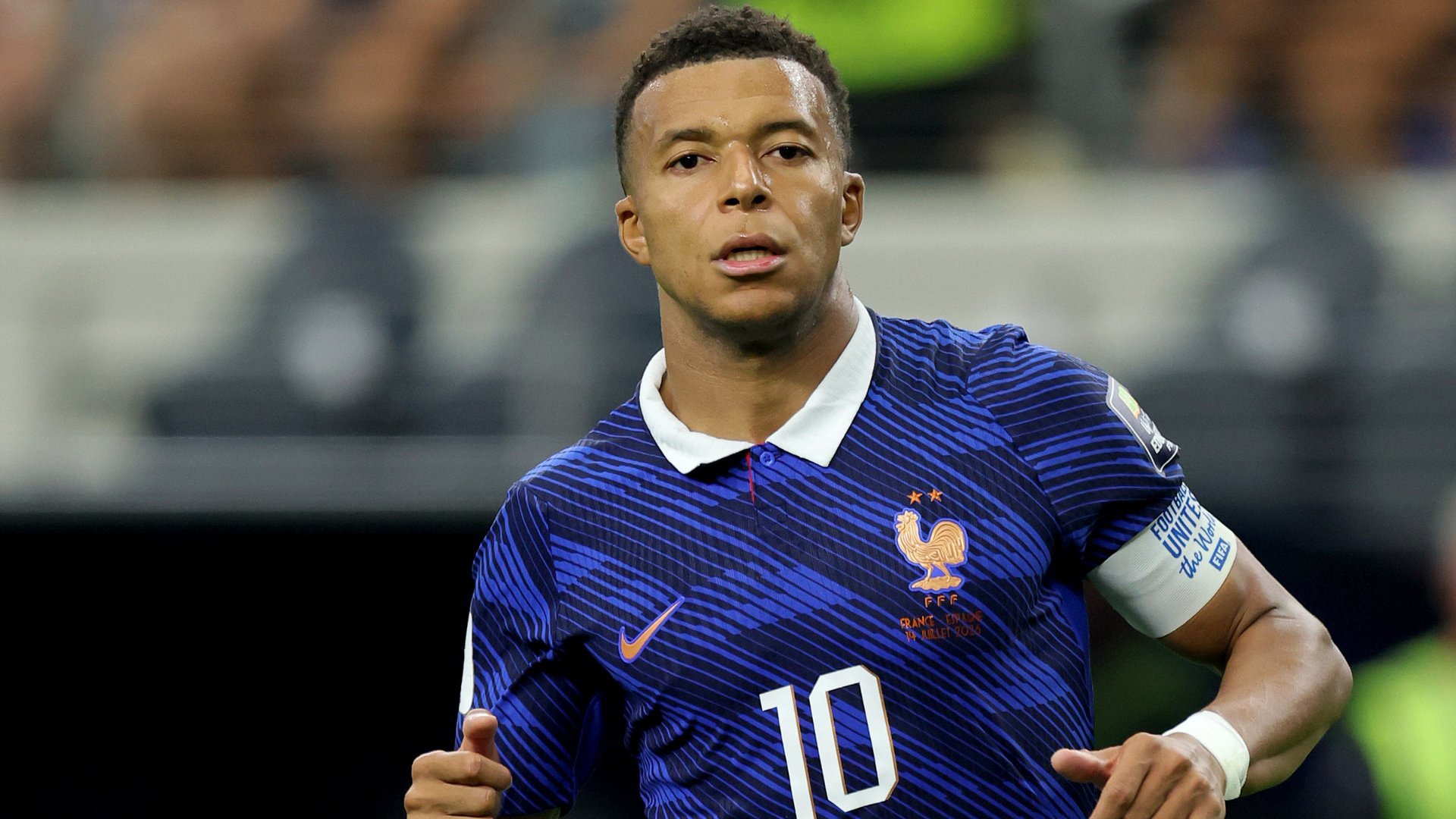
Iran became the highest-profile casualty of the 2026 World Cup group stage on Saturday, eliminated not by a defeat but by the arithmetic of three draws and a single 3-3 thriller played 8,000 kilometres away. By the time Algeria and Austria finished trading injury-time goals in their Group J finale, Iran's goal difference — the metric that separates teams tied on three points — was no longer defensible. The result in the late window confirmed what Iranian supporters had feared for nearly an hour: their team would not advance to the last 32, despite finishing unbeaten.
For the second consecutive World Cup, Iran exits on a technicality. The pattern is striking enough that BBC Sport labelled the side "the unluckiest in World Cup history", a phrase that captures both the closeness of the margins and the difficulty of distinguishing bad luck from structural weakness in a draw-heavy campaign. Either reading lands Iran in the same place: the airport.
How the math caught up with Iran
Iran finished Group H with three draws, three points, a goal difference that BBC Sport and ESPN both flagged as inferior to several third-placed teams, and no path into the top bracket of advancing third-place sides. The decisive number was not Iran's own result but the result elsewhere. When Algeria equalised in the 90th minute and Austria answered back deep in stoppage time to make it 3-3, both European and African sides moved onto five points from the group. That single point lifted them above Iran on the third-place table, regardless of Iran's respectable unbeaten record.
The cruel detail is the timing. Iran had done its part, or thought it had. By the time the Algeria–Austria game kicked off, Iran knew what it needed: for one of the two Group J sides to win outright. A draw would be enough to push the goal-difference column against Iran. A win for either team would have shifted the qualifying maths back the other way. Instead, both teams scored the goals they needed to qualify and, in doing so, scored exactly the goal that eliminated Iran.
A familiar story, retold
This is the second World Cup in a row in which Iran has been knocked out at the group stage despite losing no matches. Four years ago, in Qatar, Iran went out on points difference to the United States after a politically charged defeat in the final group game. The shape of the 2026 exit is different in detail but identical in kind: Iran played three competitive games, did not lose any of them, and still finished behind teams who won at least one. The cycle invites an obvious question — whether Iran's tournament ceiling is set less by talent and more by the structural disadvantage of being drawn into groups where the spread between strong and weak is wide enough that "winning ugly" becomes a luxury rather than a habit.
The counter-reading is less charitable. Three draws against group-stage opposition, however respectable, is also the record of a side that failed to convert a single game into three points. The dominant framing in the Western press — that Iran were victims of the bracket — sits alongside an alternative explanation that gets less column-inches: that the team was too cautious to win the games it needed to win, and that no recalculation of third-place tiebreakers changes that fact.
What the Algeria–Austria result tells us about the expanded format
The 2026 tournament is the first to feature 48 teams and a last-32 round, a structural change that expanded the third-place pathway and was sold, in part, as a safety net for competitive teams who stumble once. Saturday night exposed the limits of that safety net. Algeria and Austria both needed only a draw, and both went for it with gusto: the game produced six goals, two of them after the 90th minute, and a finale that BBC Sport described as "incredible". For the two teams on the pitch it was liberation; for Iran, watching from afar, it was the slow confirmation that the cushion was not deep enough.
The structural lesson is straightforward. In a 48-team field, the third-place table is a single shared column, and a single result anywhere on the planet can move it. Teams like Iran — who arrive unbeaten but unable to win — are now dependent on the outcomes of strangers. The expanded format amplifies the variance of a single match; it does not insulate teams from it. The "luckiest unluckiest team in World Cup history" framing is not just a headline writer's flourish. It is a description of how the bracket mechanics punish draws.
Stakes and what remains uncertain
For Iran, the immediate cost is sporting and symbolic. A World Cup cycle ends with a squad that will be a year older by 2026's competitive return, a federation under pressure to explain why two consecutive tournaments ended on technical knockouts, and a public that watched the team exit without a loss. The deeper question — whether the team and its federation will recalibrate toward more aggressive game-states in tight matches — will be answered over the next twelve months of qualifiers, not in any post-match press conference.
For the tournament itself, the 48-team format produced exactly the kind of dramatic final group game the expansion was designed to deliver. Whether that drama compensates for the Iran-style exits is a question FIFA has not yet had to answer publicly. The honest uncertainty in the wire coverage is whether the third-place pathway, as currently calibrated, will continue to produce these near-miss eliminations, or whether subsequent tournaments will adjust the tiebreakers to reward unbeaten records more generously. The sources reviewed here do not address that policy debate; they simply confirm, on the night, which side it hurt.
Monexus framed this as a structural story about the 48-team format and third-place tiebreakers rather than as a narrative about Iranian misfortune alone; the wire treatment led with the dramatic Algeria–Austria finish.