Serena Williams says doping protocols nearly derailed her Wimbledon return — and that she had to talk herself back onto the singles court
Serena Williams says the 'gruelling' anti-doping testing schedule almost stopped her comeback, and admits she had to be persuaded to accept Wimbledon's singles wildcard — the latest sign that the All England Club's 2026 draw will run on the older names as much as the new.
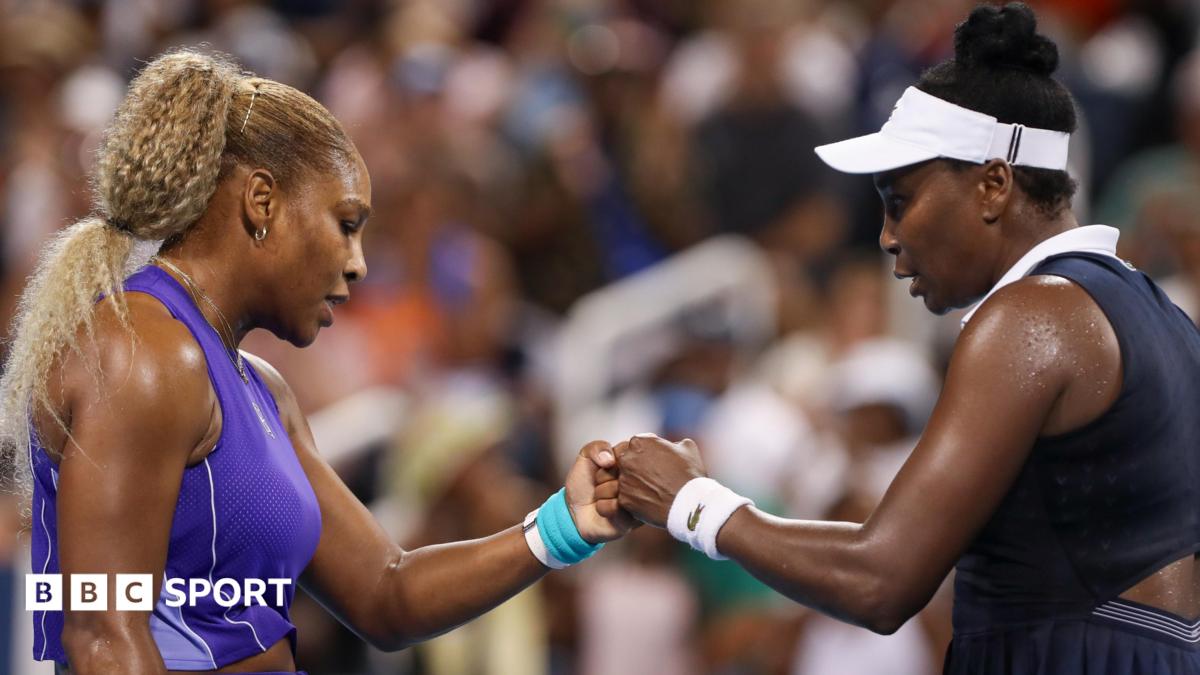
Serena Williams used the run-up to Wimbledon 2026 to deliver two unusually candid confessions: that the anti-doping regime that follows her around almost kept her from coming back, and that she had to be talked into accepting the All England Club's offer to play singles.
The comments, made in separate interviews published on 28 June 2026, paint a picture of a 44-year-old champion navigating a return built less on rust than on red tape and reluctance. Williams told BBC Sport that the nature of the testing process — whereabouts filings, daily availability windows, the choreography of urine and blood screens — had nearly been a deal-breaker. A day earlier she had told reporters that she had to convince herself to take the singles wildcard rather than limit herself to doubles. Both interviews surface on the same week the Championships released their official guide, which lists Williams, Jannik Sinner and Novak Djokovic as the centre-stage attractions.
The paperwork problem
Williams's complaint is not new in elite tennis, but it is rarely articulated this plainly by someone of her standing. The World Anti-Doping Agency's code requires athletes in its registered testing pool to log daily one-hour windows where they can be found, submit quarterly whereabouts filings, and make themselves available for both urine and blood collection on demand. Missed tests and filing failures carry the same sanction as a positive. The compliance burden falls disproportionately on comeback players, who re-enter the pool after a lay-off and must rebuild a calendar they no longer live.
Williams framed it as the kind of grinding compliance work that the public does not see, the way tournament play hides the rest of a professional athlete's life. For a player who left the tour on her own terms in 2022, the re-entry friction was enough to make her hesitate. The detail matters because it suggests the regulatory architecture that gave tennis its credibility after the Lance Armstrong era is now part of the friction keeping its biggest names from playing — a structural tension the sport has not fully reckoned with.
A reluctant singles return
The second confession is more personal. Speaking on 28 June, Williams said she had to talk herself into Wimbledon's offer to play singles, rather than restricting her comeback to the doubles draw. The ESPN report framed it as a question of confidence: she was unsure her body would hold up over best-of-three at a major, and the safer route was to manage expectations by playing only pairs. Wimbledon, according to Williams, gave her space to choose.
That is a notable institutional posture from the All England Club. Slams have historically been sparing with wildcards to retiring champions, wary of the optics of trophy tours. By offering Williams a singles entry on terms that let her weigh doubles-only without penalty, the tournament signalled that the marketing value of her presence — and the broader appeal of the Williams–Sinner–Djokovic axis the BBC's guide leans on — outweighed any purist concerns about a wildcard to a non-active player.
The old guard as business model
Wimbledon's 2026 essential guide is unusually candid about leaning on legacy. The draw is built around three names who, between them, account for more than four decades of major-title history: Williams, Djokovic and Sinner, the young Italian whose own recent off-court story — a settlement with WADA over closed-door test failures in 2025 — makes him an awkward counterpoint to Williams's complaints this week. Wimbledon is betting that the audience wants the lineage, not only the form chart.
That bet has commercial logic. Television rights, hospitality sales and global press coverage of the Championships are tightly correlated with star presence in the early rounds. A Williams first-round match, even at short odds against a younger opponent, generates a different kind of attention than a routine seed meeting a qualifier. The tournament is, in effect, paying for marquee value with the currency of wildcard slots.
Stakes, and what remains unclear
The on-court stakes are narrow: Williams is unseeded, facing a draw designed to give her a winnable opener but no guarantees beyond. The wider stakes are about how tennis treats the second chapters of its biggest stars. If anti-doping friction is now enough to keep a generational champion off the tour, the sport's regulators will need to decide whether the same whereabouts discipline applied to a 22-year-old in the top 100 should apply unchanged to a 44-year-old playing a six-tournament cameo.
Several pieces remain undetermined. Williams has not said which round, or which opponent, would change her mind about withdrawing. The All England Club has not detailed the financial terms of the wildcard. And the testing pool question — whether players returning after multi-year absences could be moved into a lighter monitoring tier — has no public answer from WADA. What is clear is that the sport's most bankable draw this fortnight arrived with conditions attached, and was honest about the price.
Desk note: this piece led with Williams's own framing in BBC Sport, then placed the structural tension — anti-doping friction versus marquee economics — at the centre. Where wire coverage treated the comeback as a heart-warm story, Monexus treated it as a governance question wearing a heart-warm costume.