Stokes bows out mid-match, leaves England to rebuild the winning formula
Ben Stokes told his England teammates he will retire at the close of the third Test against New Zealand — then took a wicket first ball. England now face the harder question of who replaces the captain who made them believe again.
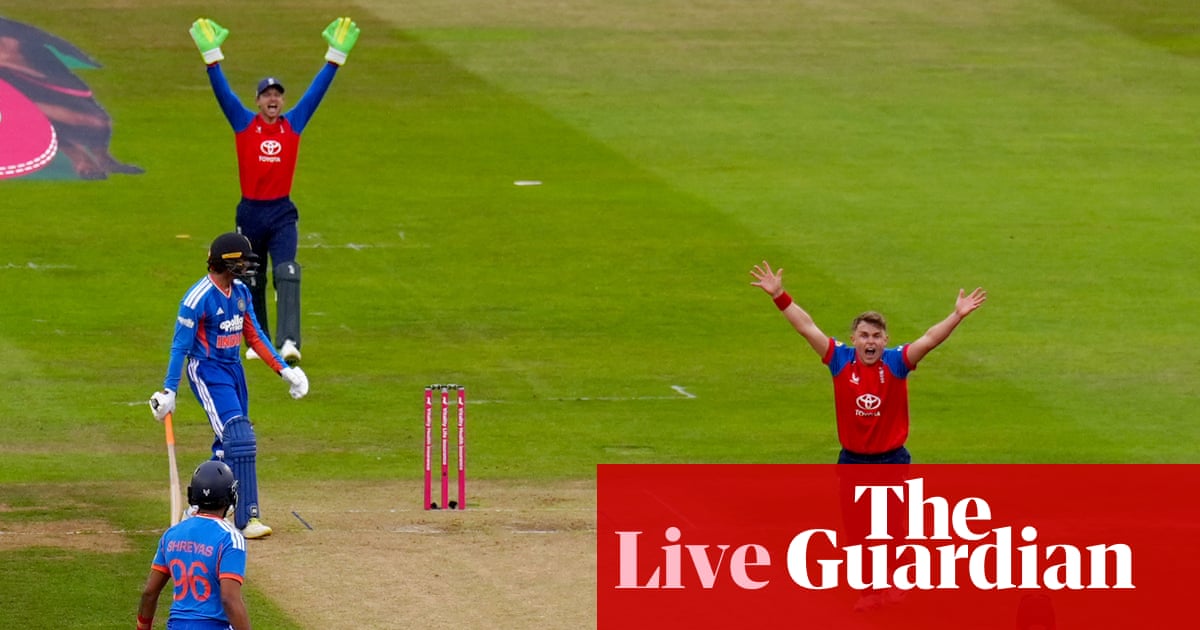
England's Test side learned on day three at Trent Bridge that the player who redefined how they play — and, more consequentially, how they believe — will walk away from the format at the close of this match. Captain Ben Stokes informed his squad during the third Test against New Zealand on 28 June 2026 that he is retiring from Test cricket, with the reasons to follow later. Within the same session, he took the wicket of Zak Foulkes with his very first delivery after the announcement, underlining the uneasy truth England must now plan around: the man who made the side credible again is leaving precisely when the template he authored still has years to run.
The timing is the story. Stokes has not been injured, nor discarded; he has chosen to leave, mid-series, while still capable of swinging a result with the ball. That is rarer in modern cricket than the obituaries suggest, and it reframes the next two days as a transition disguised as a fixture.
A captain who made the job look heavier
When Stokes took the Test captaincy in 2022, England's red-ball side was a squad in search of a posture. The Bazball experiment — aggressive fields, positive batting regardless of situation — needed a figurehead willing to absorb the consequences of failure in public. Stokes filled that role with unusual completeness. He batted through injuries, declared with hundreds still to make, and bowled despite workloads that would have retired most allrounders a decade earlier.
Former England captain Michael Vaughan, watching from the Test Match Special box, framed the scale of the loss in plain terms. "I can't believe it," Vaughan said on air as the news broke, before adding in a separate reflection that England "will miss Stokes' winning persona" — a phrase that captures both the tactical aggression and the dressing-room authority that no spreadsheet can replace. Those remarks, captured on the BBC's TMS broadcast, are the closest thing to an authoritative external verdict on the morning Stokes informed his teammates.
The on-field punctuation
Cricket has a long memory for theatre, and the sport obliged. Stokes' first ball after the announcement took the wicket of Zak Foulkes — the New Zealand batter dismissed without scoring off the captain's first delivery of the post-announcement spell. The symbolism was almost too neat: the man who had just told his side he was leaving immediately demonstrated what they were about to lose.
New Zealand, already leading the series 1-0 coming into the third Test, were playing for more than a drawn series. For them, the announcement complicates rather than clarifies: planning a fourth-Test assignment against Stokes, then losing him mid-match, is the kind of disruption tours are not built around. England, conversely, must now decide whether to blood a replacement captain with two days of the match still to play, or to delegate in-match decisions to a senior player and treat the remaining days as an extended handover.
What the post-Stokes England looks like
The structural problem is not talent. England have a deep all-format pool, and at least three players — Ollie Pope, Harry Brook and Ben Foakes — have captained at county or Lions level in the last eighteen months. The structural problem is identity. Stokes' side won Tests from positions that older English teams would have settled for draws; they lost Tests they should have won, too, but the team's internal narrative never depended on outcomes. It depended on intent.
Replacing a captain is a sporting question; replacing a philosophy is a cultural one. The next England captain will inherit a dressing room that has been told, repeatedly and publicly, that risk is the point. That can either harden into a permanent feature of English Test cricket or quietly soften under a more conservative successor. The ECB's recent messaging suggests it wants the former, but messaging is cheap and results are how captains keep their jobs.
There is also a domestic-structure question hanging over the appointment. The Hundred's private-investment deal, the central contracts' expanding list, and a fixture calendar that increasingly treats Test cricket as the jewel rather than the workhorse all point to a side that needs a captain who can speak credibly to broadcasters, sponsors and the ECB board in equal measure. Stokes could do that because his playing CV was unimpeachable. His successor will need to earn that latitude.
The counter-narrative: a graceful exit, not a crisis
The dominant framing across English commentary on 28 June treated Stokes' departure as an unfillable hole. The alternative read is more measured. A captain choosing to leave while still capable is, in a sport increasingly defined by careers that drag past their natural end, almost a model outcome. Stokes has not been forced out by form, nor worn down by a schedule he helped design. He leaves on his own terms, mid-match, with the immediate evidence of his value still visible in the wickets column.
For England, that means the rebuild is a question of emphasis rather than reconstruction. There is no crisis of personnel; there is a genuine question about whether the dressing room's appetite for risk survives its most public exponent. The first few months of the post-Stokes era — the tour to Pakistan in late 2026, the India series that follows — will answer it more honestly than any press conference.
What remains unclear is the substantive reason behind the decision. Stokes told his teammates that "reasons can wait," which is a courtesy to the squad rather than a full explanation to the public. Until he elaborates, the speculation will run from workload to chronic injury to a planned move into franchise leagues. The honest position is that the sources do not yet say — and the wisest course is to wait for the man himself rather than the rumour mill.
This publication treated the Stokes retirement as a transition story rather than an obituary. The wire framing — Vaughan, TMS, BBC Sport — leaned heavily on sentiment and legacy; Monexus has tried to give equal weight to what the side inherits and what it must now build.