Sportsbooks flinch as United States ride Group Stage form into the World Cup knockouts
France and Argentina remain favourites, but U.S. bookmakers are quietly repricing the Americans into the knockout picture after a confident group stage — a shift that says more about expectations than form.
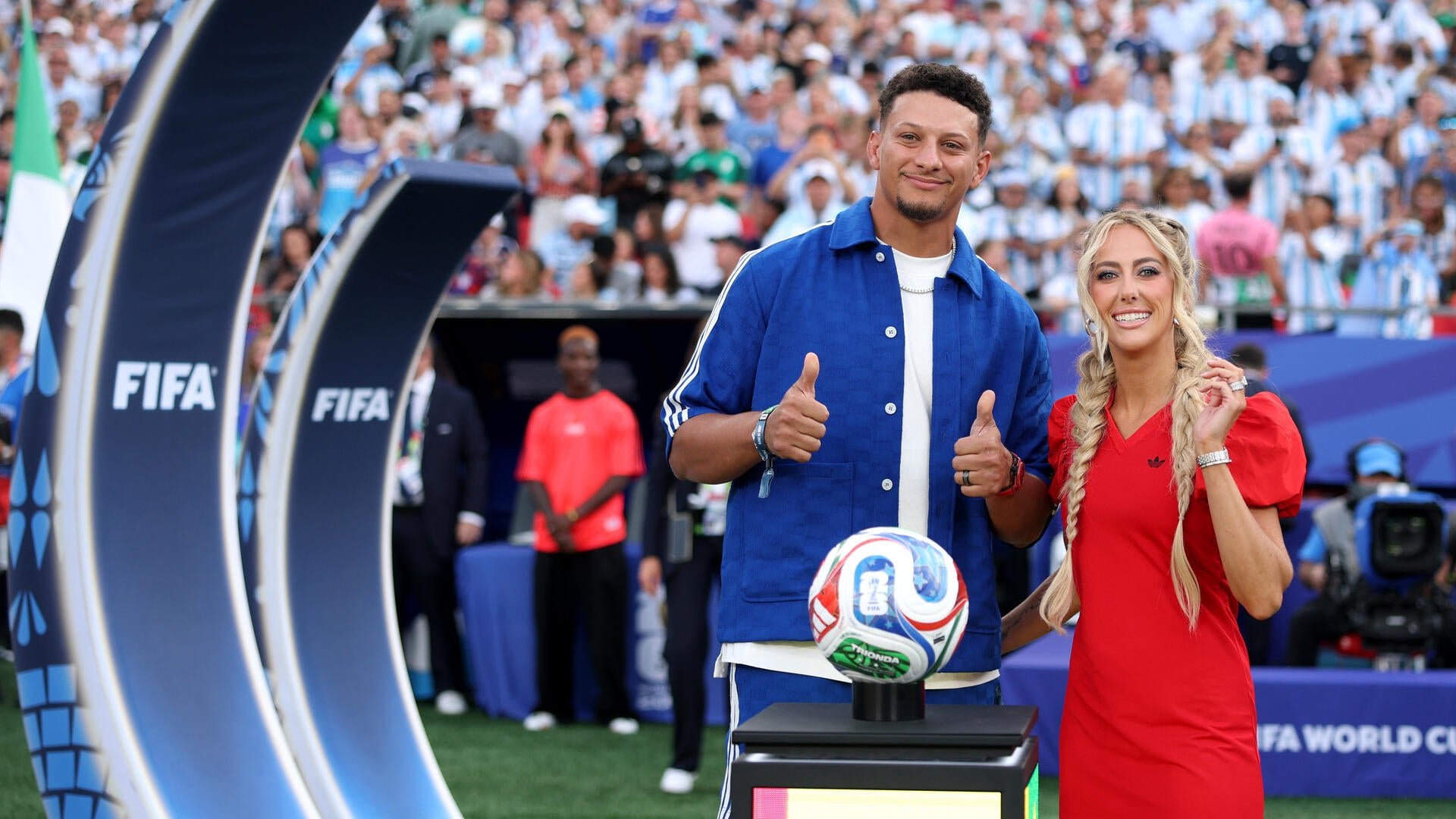
The knockout rounds of a World Cup have a way of rearranging the betting board, and the 2026 tournament is no exception. With the group stage closed and the bracket set, France and Argentina still sit atop most sportsbooks' outright winner markets, but the line that has drawn the sharpest movement in recent hours belongs to the United States — the host side whose quietly efficient qualifying run has forced a reluctant repricing across American books.
What started as a courtesy — listing the hosts at single-digit-plus prices, the customary gesture toward a home side — has tightened meaningfully as results came in. The market, in other words, is finally taking a U.S. run seriously.
France and Argentina still own the top of the board
Through the group phase, France and Argentina remained the two names every serious bettor had to clear before placing a futures ticket. Star power, depth, and a recent history of winning knockout football kept them at the front of the price column, with the usual cluster of European powers — England, Spain, Germany — trading close behind. The favourites' status was a function of squad cost and tournament pedigree as much as recent form, and the books priced accordingly.
There is nothing exotic about that hierarchy. The two highest-profile squads in the draw, both with a World Cup win inside the last eight years, were always going to anchor any sane market. The interesting question was how much daylight to give them — and that is exactly where the U.S. line started to move.
The U.S. line tightens
American sportsbooks, ESPN reported on 28 June 2026, have begun sweating the hosts' trajectory into the knockouts after a positive group-stage run. The headline framing — that star-powered France and Argentina lead the odds while the United States' momentum has books reconsidering — captures a small but real repricing rather than a wholesale change in the order.
That distinction matters. A futures market that simply respects a strong group stage is doing its job. A market that is finally granting a host side the kind of credit routinely extended to Brazil or Germany is doing something else: it is admitting that expectations, not form, had been driving the price. The U.S. did not become a better team overnight; the market had been carrying a discount, and the knockouts forced a correction.
Why this market is different
World Cup outrights are unusual among major futures because the sample is so small. A single elimination game, on a given day, against a specific opponent, can swing a price by several points of implied probability in minutes. Bookmakers manage that volatility two ways: by holding wide lines early and tightening as information arrives, and by paying close attention to where sharp money sits.
The U.S. effect on this board is partly the second mechanism in action. Domestic handle — the home audience betting on the home team — has a way of pulling prices toward sentiment, and the volume coming in on American tickets cannot be ignored entirely by even the most disciplined book. Layered on top of that, the team has, by most accounts, looked the part through qualifying. A repricing toward the U.S. was overdue on the merits before any handle pressure arrived.
Counterpoint: the bracket is the bracket
The sober read is also the obvious one. France and Argentina remain favourites because knockout football is decided by individual moments, and both squads have the kind of player who decides those moments. The United States, for all the momentum, is still priced as a side whose run is contingent on favourable draw paths and clean injury luck.
The alternative reading — that the market is being dragged by patriotic handle rather than genuine win probability — is plausible too, and the structural argument runs both ways. Books must price the home team with one eye on the limit board and one on the headline number. Overreacting to either is a known failure mode of major-tournament pricing.
Stakes for the rest of the field
What the U.S. tightening really does is compress the middle of the board. Sides that would have been priced comfortably behind the Americans at this stage a week ago now find themselves in a narrower band, which means longer prices on genuine contenders and tighter holds across the futures book. For traders, that is a less efficient market in the short term and a more honest one in the long term. For casual bettors, it means the chalk is a little more expensive and the longshots a little more interesting.
The knockout rounds will sort the rest. Until then, the only certainty is that the book that priced the U.S. correctly early will keep its customers, and the one that did not will spend the next two weeks explaining its line.
How Monexus framed this: the wire focus was the favourites and the Americans' momentum; this piece treats both as part of the same repricing story, in which expectation, not form, had been the bigger drag on the U.S. number.
Wire provenance
This editorial synthesis draws on the following public wire/social posts:
- https://en.wikipedia.org/wiki/2026_FIFA_World_Cup
- https://en.wikipedia.org/wiki/United_States_men%27s_national_soccer_team
- https://en.wikipedia.org/wiki/France_national_football_team
- https://en.wikipedia.org/wiki/Argentina_national_football_team