U.S. carries home-field edge into World Cup knockouts — and a target on its back
Group-stage hosts exit unbeaten into a bracket where France and Argentina still set the price — and where sportsbooks quietly recalibrate the American line.
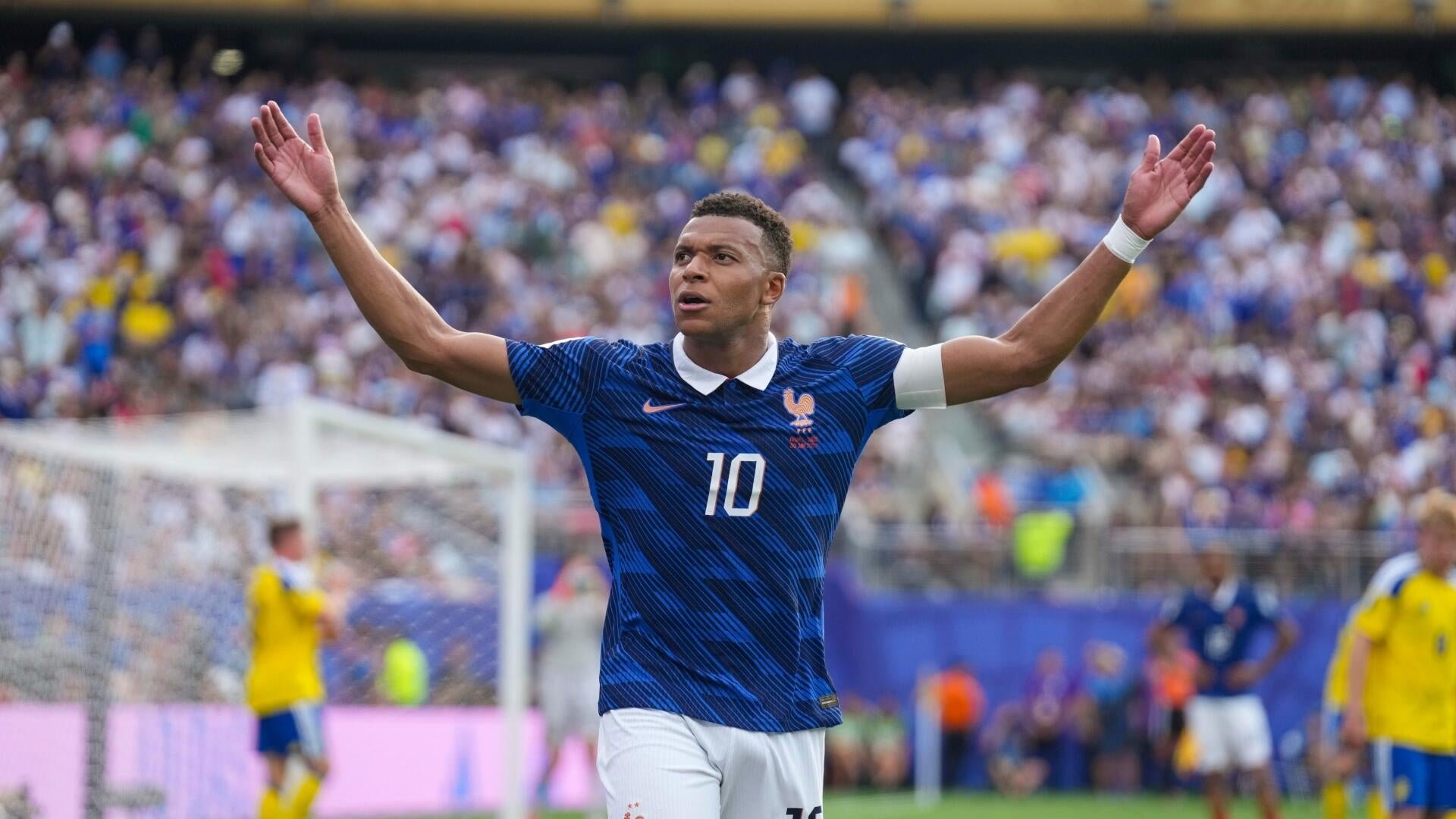
The United States walks into the FIFA World Cup knockout stage on 28 June 2026 carrying something rare in this tournament: a clean run through the group phase and the only home-soil advantage still standing. Forward Folarin Balogun, asked in Atlanta what had changed since the group stage closed, framed the new mood in plain terms. "You can feel the difference," he told ESPN, "another gear." The observation is small, but it lands at the right moment: a host nation that spent much of the spring written off as a feel-good story is now a fixture on the second-week scoreboard.
What has actually changed is not mystique but price. As the bracket hardens, France and Argentina sit atop the board as the two clearest title paths. The United States, by contrast, has drifted from curiosity to liability. Sportsbooks have watched the American line shorten with every clean sheet, and the books are not happy about it — a familiar posture for any market that underestimated a host's tournament gravity. The U.S. is no longer the long shot bettors filed at kickoff; it is now the team casual money is forced to respect, and the team sharp money is forced to fade.
A host nation that stopped being polite
Group-stage optimism around the U.S. carried an asterisk through May and early June: a young squad, a coach in Gregg Berhalter still defining his ceiling, and a federation that had quietly spent billions on infrastructure precisely so that the team itself could disappoint in comfort. Balogun's framing of "another gear" reads, in that context, as more than mood music. It is an acknowledgment that knockout football is a different proposition — fewer possessions, fewer transitions, fewer chances to recover from a single lapse. The U.S. handled the group phase by being physically imposing and set-piece reliable. Knockouts demand something narrower: the capacity to win one game 1-0 and mean it.
That is the gear Balogun is pointing at, and it is the gear the betting market is repricing.
The board, and what it implies
France and Argentina occupy the top of the odds sheet because they arrived in North America as serial finalists and have not given markets reason to revise. The United States' group-stage performances, however, forced a different kind of revision: not that the Americans are title favourites, but that they are no longer a rounding error. Sportsbooks are now sweating a U.S. run not because the hosts are the best team in the field, but because they are the team most likely to drag marquee opposition into ugly, low-event matches — the kind that produce upsets and bleeding liability on futures books laid in March.
Two readings of that shift are plausible. The first is the obvious one: the U.S. is simply good now, and the market is correcting a spring underestimate. The second is more uncomfortable for the federation and more interesting for readers: home advantage in a 48-team, three-host World Cup is structurally different from the home edge Brazil enjoyed in 2014 or Russia in 2018. Travel is not a border crossing but a domestic flight. Crowd allocation is split across three national federations. The American edge this July is softer than its antecedents — real enough to matter at the margins of a knockout match, insufficient to carry a side past a top-six opponent on its own.
Both readings can be true simultaneously, and the market is pricing the tension between them.
What the next ten days decide
The structural frame is straightforward. FIFA expanded this tournament to 48 teams and stretched it across three countries precisely because the commercial math demanded more games in more time zones. That decision has knock-on consequences no federation fully priced: hosts that used to be isolated curiosities — Canada, Mexico, the United States — are now permanent feature pieces on the second-week broadcast schedule, with the knock-on effect that knockout depth and a credible U.S. run are commercially valuable to FIFA and to its broadcast partners regardless of who actually lifts the trophy.
For the U.S. squad, the stakes are cleaner. A deep run changes the federation's bargaining position with European clubs over player release windows, lifts the valuation of MLS as a development pipeline, and gives Berhalter a longer runway than the cycle currently promises. An early exit, conversely, returns the program to the conversation it has occupied since 2010 — a talented generation that produced one signature night, in a tournament it did not need to win, and then receded.
What remains uncertain
The betting line is a useful thermometer but a poor oracle. Knockout football is decided by margins a futures market cannot price: a referee's interpretation of a marginal handball, a goalkeeper's night, a single set piece in the 87th minute. The U.S. has the squad depth to absorb one bad half. Whether it has the composure to absorb a bad half without conceding the kind of goal that turns "another gear" into a quiet flight home is a question no odds sheet answers. France and Argentina remain the reference points for a reason; the U.S. is being priced as the bracket's most awkward opponent, not its favourite. The distinction will matter somewhere between Saturday and the final in New Jersey.
Desk note: Monexus framed the U.S. line movement as a market-correction story rather than a patriotism arc. The sportsbooks are not the protagonist here — they are the tell.