Ancelotti's Brazil meet Japan in World Cup last 32 — and the bracket just got interesting
Carlo Ancelotti has kept the side that demolished Scotland. Hajime Moriyasu's Japan, having qualified from a punishing group, are next. A mismatch on paper — and a test of Brazil's depth.
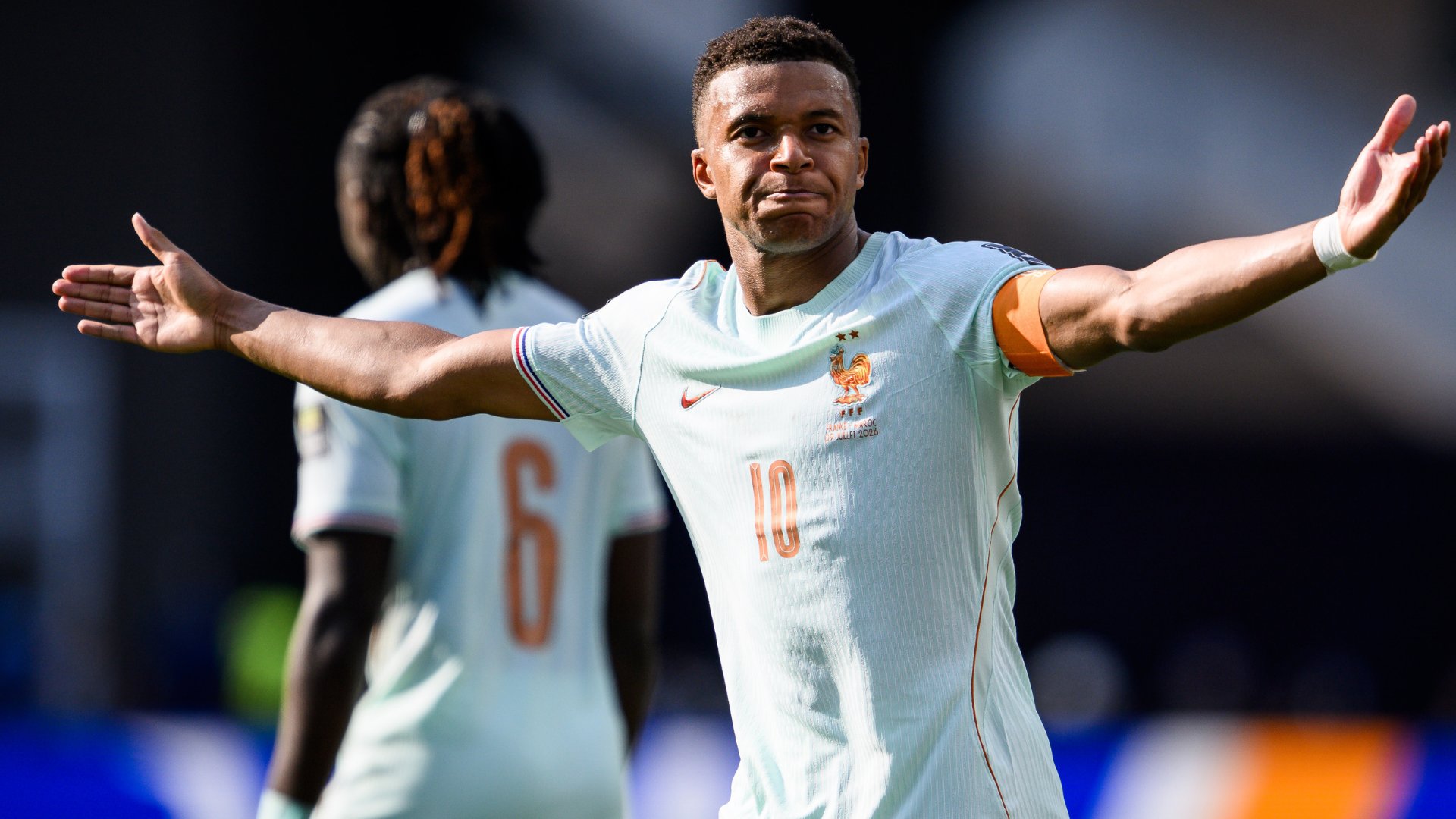
Brazil meet Japan in the World Cup 2026 round of 32 on 29 June 2026, kick-off 16:00 UTC (12:00 local in the host venue, 17:00 BST, 02:00 AET the following day), in a fixture that pits the tournament's most decorated national team against a Japan side that has spent the group stage proving it belongs on this stage at all. Ancelotti's selection for the knockout phase carries an implicit message: the XI that dismantled Scotland did enough to keep their places, and the head coach sees no reason to disturb a winning machine in a knockout tournament that punishes improvisation.
Brazil arrived at this World Cup with the weight of expectation that follows the Seleção into every tournament they enter, and with a manager whose CV invites exactly the kind of scrutiny that turns group-stage wins into referendum results. The 5-1 rout of Scotland was loud enough to reset the temperature around the squad; the question now is whether it was loud enough to translate into a tournament run. Japan, meanwhile, are the kind of opponent that historically give South American football indigestion: organised, technical in tight spaces, and tactually willing to sit deep and strike on the break.
The selection logic, and what it tells us
Ancelotti's instinct to keep the same XI is, in its way, the most conservative reading of the situation available. Scotland offered little resistance, and the manager has decided that the performance is the form, not the opposition. That is a defensible position in a tournament where rhythm matters more than rotation. It is also a position that assumes Brazil will not need a Plan B before the quarter-finals.
Moriyasu's Japan, by contrast, are a side that has already shown tactical flexibility in the group stage. Hajime Moriyasu has built a team comfortable in a low block and lethal on the counter, with the kind of wide runners and second-six aggression that have troubled Brazil at this level before. The 2018 group-stage draw in Rostov — a 3-1 win sealed by a counter-attack goal in stoppage time — is the obvious reference point, and it is the obvious reference point because the structural similarity is real. Brazil's full-backs push high; Japan's wide forwards press the channel and wait.
The counter-narrative: this is not 2018
The temptation to read every Brazil-Japan knockout tie through the lens of that 2018 result is a writer's trap. The current Brazil side is built differently, the current Japan side is built differently, and the tournament context — a 48-team field, a last-32 round that did not exist in 2018 — is a different game entirely. Brazil have gone from Tite's conservative block to Ancelotti's higher defensive line and a more aggressive press; Japan have gone from a side that defended deep and hoped to a side that manages games rather than survives them.
The counter-narrative that ought to be aired is also the simpler one: Brazil are favourites, and favourites at this stage of a World Cup usually advance. The odds on a Seleção exit to a non-European, non-South American opponent in the round of 32 are long for a reason. But the structural concern for Ancelotti is not the result of this match; it is what comes after. A narrow win that exposes defensive frailties is more informative than a comfortable one. A comfortable one papers over the cracks that Spain, France, or Argentina would exploit in the quarter-final.
What a win actually buys Brazil
The stakes for Brazil are less about Japan and more about the bracket that follows. A last-32 win books a place in the quarters against a side from the other half of the draw, and the road from there to a semi-final in North America requires Brazil to navigate three knockout games in roughly two weeks. Rotation is a luxury the squad can afford later, not now, but the cost of every minute played by first-choice players in a fixture like this is a minute not available against a harder opponent. The squad-management arithmetic of a deep World Cup run is unforgiving, and Ancelotti's refusal to rotate is a bet that the first-choice XI can carry the load into the second week.
For Japan, the arithmetic is simpler: the tournament is already a success, and every additional match is a gift. There is no domestic expectation that this generation must win the World Cup, and Moriyasu's side can play with the specific freedom that comes from a low-pressure ceiling. That freedom is itself a competitive advantage against a Brazilian squad that carries the weight of five stars on the shirt.
What remains uncertain
The sources available for this fixture do not specify the venue, the officiating crew, or the broadcast distribution beyond the standard FIFA partners. The injury status of Brazil's first-choice left-back, a recurring question in the group-stage coverage, is not resolved in the materials to hand. Japan's starting XI, similarly, is reported only in part: Moriyasu has not, as of the most recent wire copy, named his team publicly. Any preview that claims to know either line-up with certainty is reading more into the available material than it supports. The honest version of the preview is that Brazil are favourites, Japan are organised, and the margin between a comfortable Seleção win and a nervy one is narrower than the world rankings suggest.