Lorde opens the vault: 49 demos from Virgin land online, one year on
A year after Virgin, Lorde has uploaded 49 unreleased demos plus session photos and liner notes to a fan-facing archive — a rare, structured gesture that says as much about streaming-era release strategy as it does about the record itself.
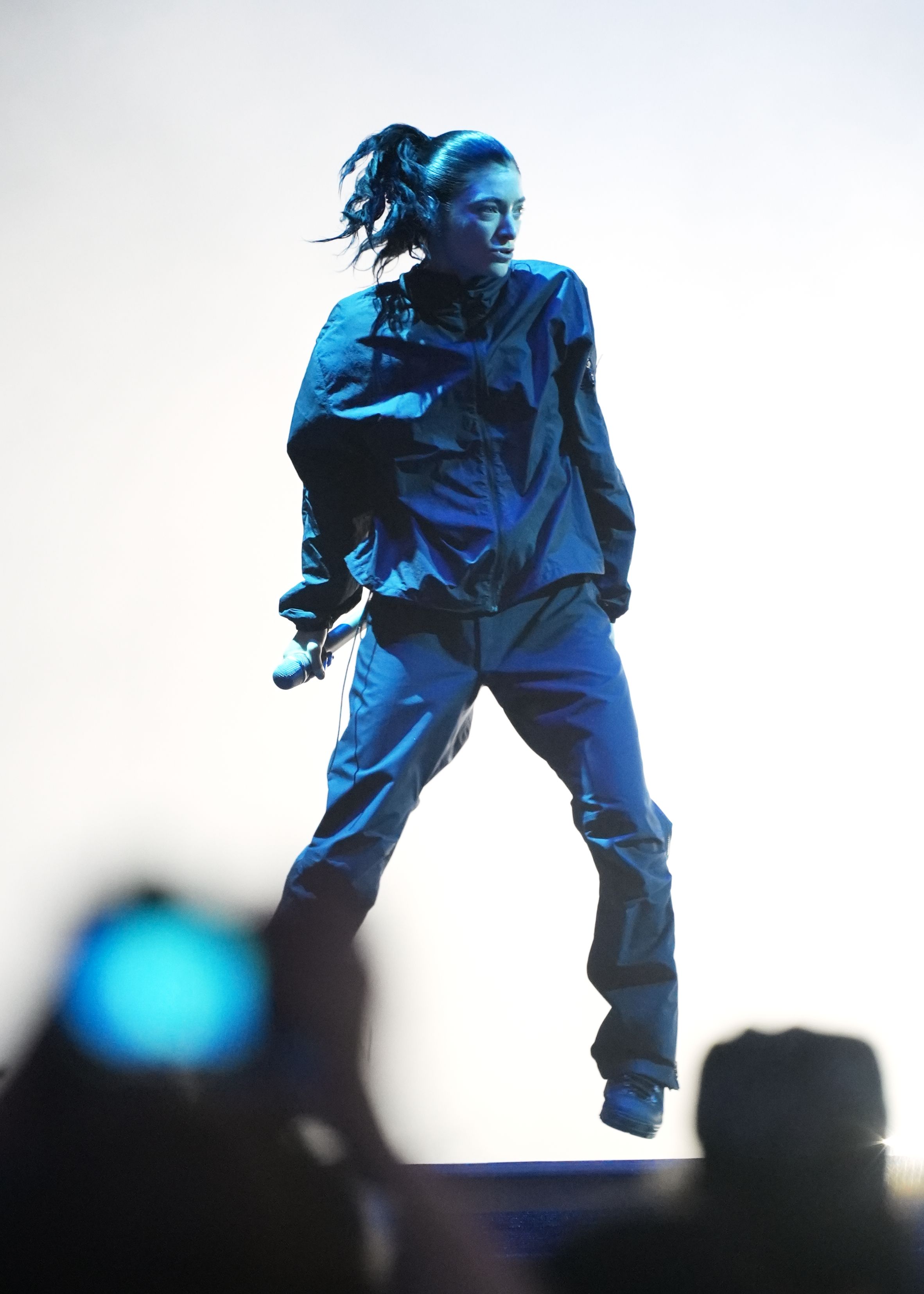
On 29 June 2026, the morning after the first anniversary of Lorde's fourth studio album Virgin, fans logging into the project's companion XRAYS archive were met with a quietly substantial gift: forty-nine previously unreleased demo recordings, alongside fresh session photography, working notes, and early artwork ideas for the 2025 LP. The upload, first reported by Pitchfork at 00:39 UTC and mirrored in the outlet's RSS feed minutes later, transforms what had been a static promotional site into a working document of how the album was made.
The release is unusual not for its scale — anniversary reissues and vault drops are now routine — but for its transparency. Where most major-label campaigns treat outtakes as leverage for later box sets, Lorde and her team have chosen to place working artefacts directly in front of listeners, organised and labelled. The decision is small in commercial terms and significant in cultural ones.
What the XRAYS drop actually contains
According to Pitchfork's 29 June 2026 report, the new material on the XRAYS page consists of 49 demo tracks recorded during the Virgin sessions, supplemented by photographs, written notes, and artwork concepts attached to the 2025 album cycle. The site frames the upload as an anniversary gesture, one year on from the LP's June 2025 release. Pitchfork describes the collection as both a fan-facing archive and an extension of the project's visual and lyrical world — the kind of deliberate, sustained environment-building that has characterised Lorde's releases since Melodrama.
The demos themselves are not formatted as a separate commercial product. They sit inside an existing companion hub rather than a deluxe reissue, which matters: it places the listener inside the creative process without repackaging the album for a second sales window.
A different kind of anniversary release
Anniversary drops in the streaming era have settled into a familiar shape: a remaster, a handful of B-sides, maybe a live recording, all bound to a limited vinyl pressing and a streaming bump. The Lorde release departs from that template in two ways. First, the material is free and openly browsable rather than gated behind a reissue purchase. Second, the artefacts are explicitly working — sketches, notes, alternate takes — rather than polished alternates that could have been sequenced onto the original record.
That distinction reflects a wider shift in how major artists handle unreleased material. Vaults once belonged to the label, monetised through catalogue campaigns; they increasingly belong to the artist, deployed as relationship infrastructure with a fanbase that values access over scarcity. Lorde's XRAYS page, which launched alongside Virgin in 2025, is itself part of that pattern: a designed environment where the album can keep generating context long after the initial release window closes.
There is a counter-read worth noting. The same upload that looks like generosity also functions as sustained visibility — keeping the album in algorithmic circulation at the exact moment streaming services surface "anniversary" content to casual listeners. A fan-first framing and a catalogue-management framing are not mutually exclusive, and the project's design suggests the team understands both.
Why the format matters
The choice of platform — a dedicated archive rather than a streaming-service exclusive or a YouTube dump — says something about the intended audience. The XRAYS hub rewards sustained attention. It is the sort of destination that fans already inside the project's world will spend an evening inside, rather than a clip that travels via algorithmic feed. In an industry increasingly organised around short-form discovery, building a page that resists that logic is itself a position.
It also reframes the listener's relationship to the finished album. Virgin was received in 2025 as a tightly controlled pop statement; the demos expose the seams. Fans can now hear how specific lyrics, melodies, or structural choices arrived at their final form. That kind of post-release transparency has become more common in independent and experimental circles — Phoebe Bridgers, Big Thief, and others have released similar working material — but it remains rare at Lorde's commercial tier. The fact that she is doing it on a major-label release of her size is the newsworthy bit.
The bigger picture
The drop lands in a year that has already seen several high-profile artists treat their archives as public-facing infrastructure rather than locked assets. The structural logic is the same across cases: streaming has collapsed the difference between a release and a long-form project, and artists with leverage are responding by designing environments — microsites, companion apps, periodic drops — that exist outside the playlist economy.
For Virgin specifically, the upload extends the useful life of a record that arrived in 2025 to strong reviews and a slower commercial climb than its predecessors. The demos do not change the album. They change the conversation around it, which is the more durable asset.
The remaining unknowns are minor but worth flagging: the demos are described as unreleased studio material, not live or alternate-mix recordings, and Pitchfork does not specify whether they include tracks that were widely leaked prior to the album's release. The XRAYS page itself is the only authoritative catalogue of what is now public. Listeners curious about the full set should treat that page, not secondary aggregation, as the source of record.
How Monexus framed this: where most outlets will run the upload as a fan-service story, this piece treats it as a release-strategy signal — a deliberate move in how major artists deploy their archives in a streaming economy that otherwise flattens long-form listening.